North India Statesman
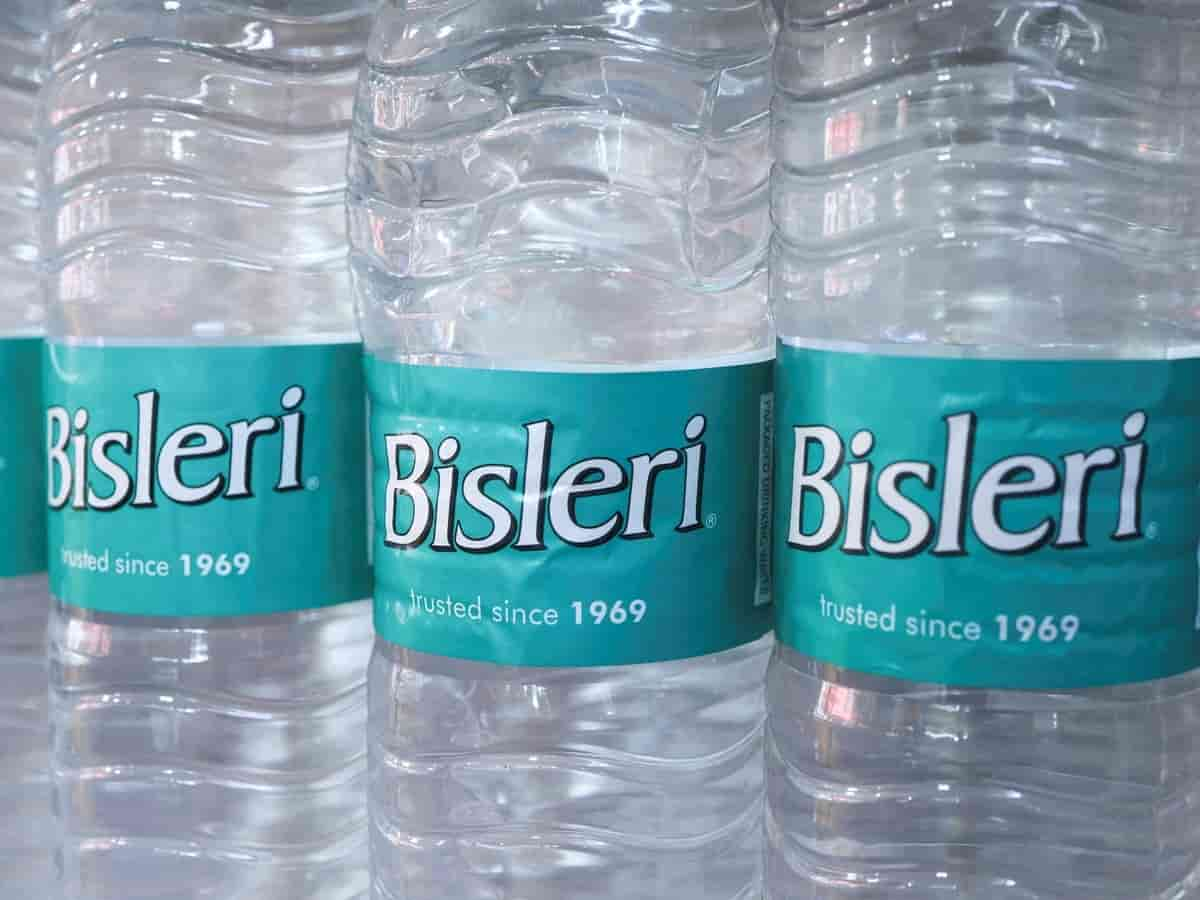
For millions of households and travellers across India—from busy transit hubs in New Delhi and Mumbai to local markets in Uttar Pradesh and Goa—buying a bottle of Bisleri has long been synonymous with safe drinking water. However, widespread concern erupted nationwide after the Food Safety and Standards Authority of India (FSSAI) announced that a sample of Bisleri packaged drinking water failed regulatory safety checks. Consumers are understandably asking a direct and urgent question: Is Bisleri water safe to drink right now? Based on official disclosures from both the food safety regulator and Bisleri International Pvt Ltd, there is no nationwide product recall or blanket ban on Bisleri bottles currently on store shelves. The regulatory action stems from a specific historical sample collected over a year ago from a single manufacturing unit, though the matter has triggered heightened government scrutiny across the entire bottled water industry.
Why Did FSSAI Declare a Bisleri Sample Unsafe?
On November 22, 2026, the FSSAI publicly stated via its official social media channels that it had granted sanction to launch prosecution against Bisleri International Pvt Ltd under the Food Safety and Standards Act, 2006. According to the regulator, inspectors had collected a sample of “Packaged Drinking Water (other than Mineral Water)” directly from the company’s premises for routine compliance analysis. Initial laboratory testing found that the sample exceeded the maximum permissible limits for bromate, a chemical compound that can form during the ozonation process used to disinfect bottled water. Following the initial finding, Bisleri exercised its statutory right to appeal, prompting the regulator to send the counter-sample to a referral food laboratory for re-examination. During this secondary analysis, the referral laboratory flagged the presence of polynuclear aromatic hydrocarbons (PAHs) and once again classified the sample as unsafe. Notably, FSSAI clarified that granting sanction for prosecution initiates legal proceedings and does not equate to a final court verdict of guilt.
Bisleri’s Official Response: Which Batch Was Affected?
A day after the FSSAI post sparked nationwide headlines, Bisleri International issued a comprehensive clarification on November 23, 2026, firmly asserting that its products remain completely safe for daily consumption. In its media statement, the company revealed crucial context regarding the timeline and origin of the disputed sample. According to Bisleri, the regulatory issue dates back roughly 14 months to September 30, 2025, when FSSAI officials collected six water samples from a single batch produced at its Goa bottling facility—one of 143 operational plants across India. Bisleri stated that five out of those six samples passed all regulatory parameters, while only the sixth sample recorded elevated bromate levels. Furthermore, the company maintained that when the sample went to the referral laboratory, bromate levels were actually found to be within permissible limits, even though PAHs were flagged. Bisleri also noted that an independent test conducted at an FSSAI-approved laboratory confirmed bromate was within safe limits, and those findings were submitted to FSSAI’s Western Regional Office on February 2, 2026. Having received no communication since February—and noting it had not received any formal physical or email notice regarding the latest prosecution sanction—the company believed the matter had been resolved.
What Are Bromate and PAHs, and Why Are They Monitored?
To understand why food regulators take such test results seriously, it helps to examine the two compounds cited in the laboratory reports. Bromate is a chemical byproduct that occasionally forms when water containing naturally occurring bromide is treated with ozone for purification. International health bodies, including the International Agency for Research on Cancer (IARC) and the United States Environmental Protection Agency (US EPA), classify bromate as a possible or probable human carcinogen when consumed in excessive amounts over long periods. Polynuclear aromatic hydrocarbons (PAHs), on the other hand, are organic compounds that can enter water through environmental contamination, industrial runoff, or packaging-related leaching. Because packaged drinking water is consumed daily by millions of people—including children, pregnant women, and the elderly—Indian food safety laws enforce strict upper thresholds on both substances to protect long-term public health.
What Consumers Across India Should Do Right Now
For everyday shoppers purchasing bottled water at railway stations, restaurants, or neighbourhood kirana stores across India, practical awareness is key. First, FSSAI has neither identified any active retail batch as contaminated nor ordered a market recall of Bisleri water. Bisleri has reiterated that every bottle undergoes more than 90 quality checks across a 10-stage purification and bottling process before reaching consumers. At the same time, the controversy has prompted authorities to step up nationwide surveillance across packaged drinking water brands in multiple states to ensure strict adherence to Bureau of Indian Standards (BIS) and FSSAI norms. Whenever you buy packaged drinking water, always check that the cap seal is completely intact, verify the FSSAI licence number and ISI certification mark printed on the label, inspect the manufacturing and best-before dates, and avoid buying bottles stored in direct sunlight or near chemicals. While the legal proceedings between the regulator and the company will unfold in court, consumers can continue making informed choices by checking packaging integrity and staying updated on official FSSAI advisories.