North India Statesman
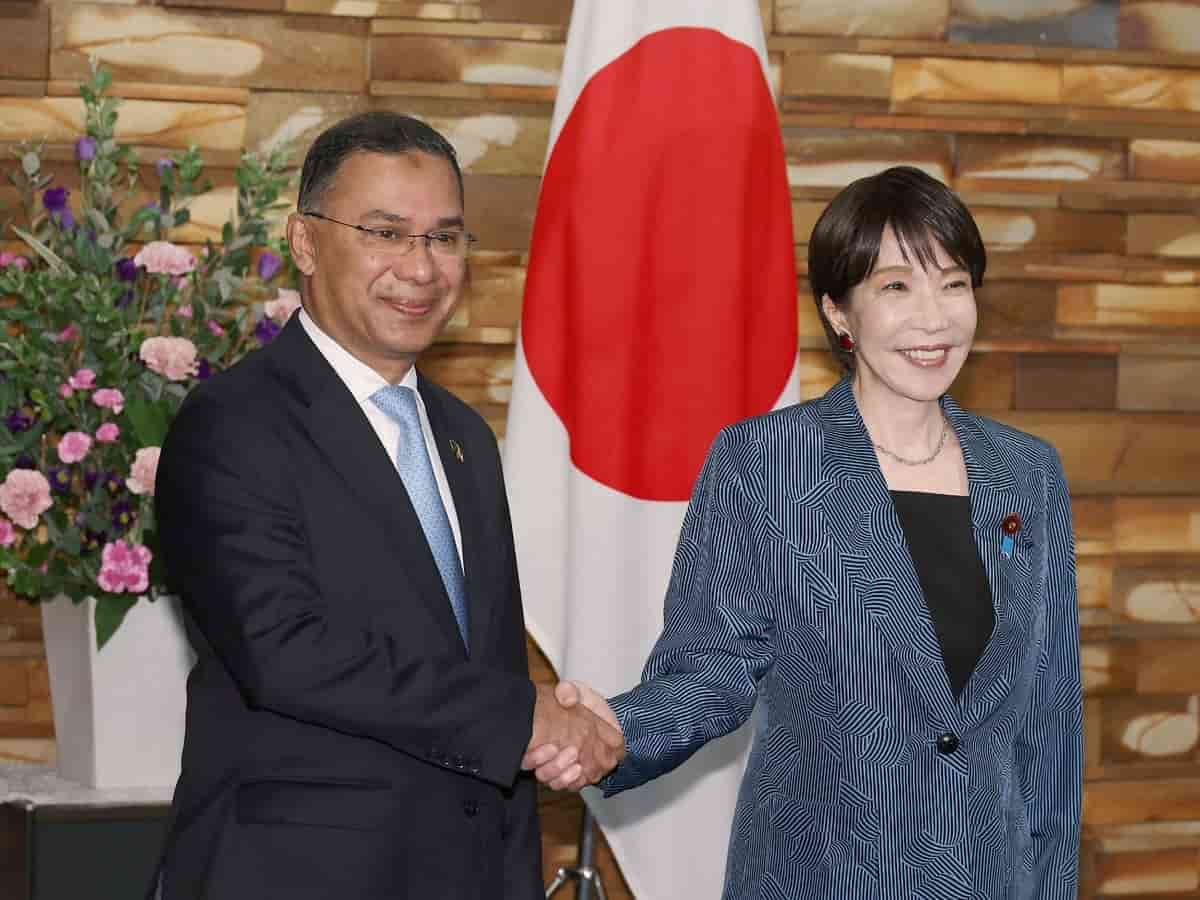
Japan’s Ministry of Foreign Affairs (MOFA) has stepped in to quell escalating domestic controversy, officially refuting widespread media and social media reports claiming that Tokyo had agreed to recruit 100,000 workers from Bangladesh. The speculative figure gained rapid traction following bilateral high-level engagements, triggering significant pushback and heated debates among Japanese citizens, conservative commentators, and policy observers over national immigration limits and labor market policies. In response to the growing public uproar, the Japanese government issued a direct clarification, confirming that no blanket numerical quotas or bulk labor agreements have been established.
Viral Speculation and Public Backlash in Japan
The controversy ignited after online claims asserted that Tokyo had committed to an automatic annual intake of 100,000 workers from Bangladesh to address severe domestic workforce shortages. The figure circulated widely across Japanese digital forums, stoking immediate anxiety over border management, cultural integration, and sudden demographic shifts in key metropolitan and industrial belts. With immigration remaining an intensely sensitive domestic political subject, the purported deal prompted sharp questions from lawmakers and public scrutiny over whether the executive branch was sidestepping Japan’s rigorous, skill-based immigration framework.
MOFA Issues Firm Denial: ‘No Such Fact Exists’
Moving swiftly to control the narrative, Japan’s Foreign Press Secretary Toshihiro Kitamura released an official statement debunking the claims in their entirety. “While recent social media posts have falsely suggested that the Government of Japan agreed to accept 100,000 workers from Bangladesh, no such fact exists,” Kitamura affirmed. Japanese diplomatic officials clarified that while recent bilateral talks focused on expanding mutual cooperation and exploring workforce mobility under structured frameworks, no fixed numerical promises, country-specific job allocations, or bulk labor pacts were ever finalized or signed.
How Japan’s Skilled Worker Programs Actually Function
Japanese authorities reiterated that foreign labor recruitment does not operate through government-dictated country quotas, but rather via market-driven, applicant-specific legal mechanisms. Under programs such as the Specified Skilled Worker (SSW) framework and technical internship programs, foreign candidates must independently pass rigorous Japanese language proficiency tests and sector-specific skill certifications before securing employment contracts directly with domestic companies. Tokyo reaffirmed that its labor acquisition remains tied strictly to vetted enterprise demand, skill verification, and standardized legal procedures rather than broad, bilateral state-level recruitment targets.