North India Statesman
[ad_1]
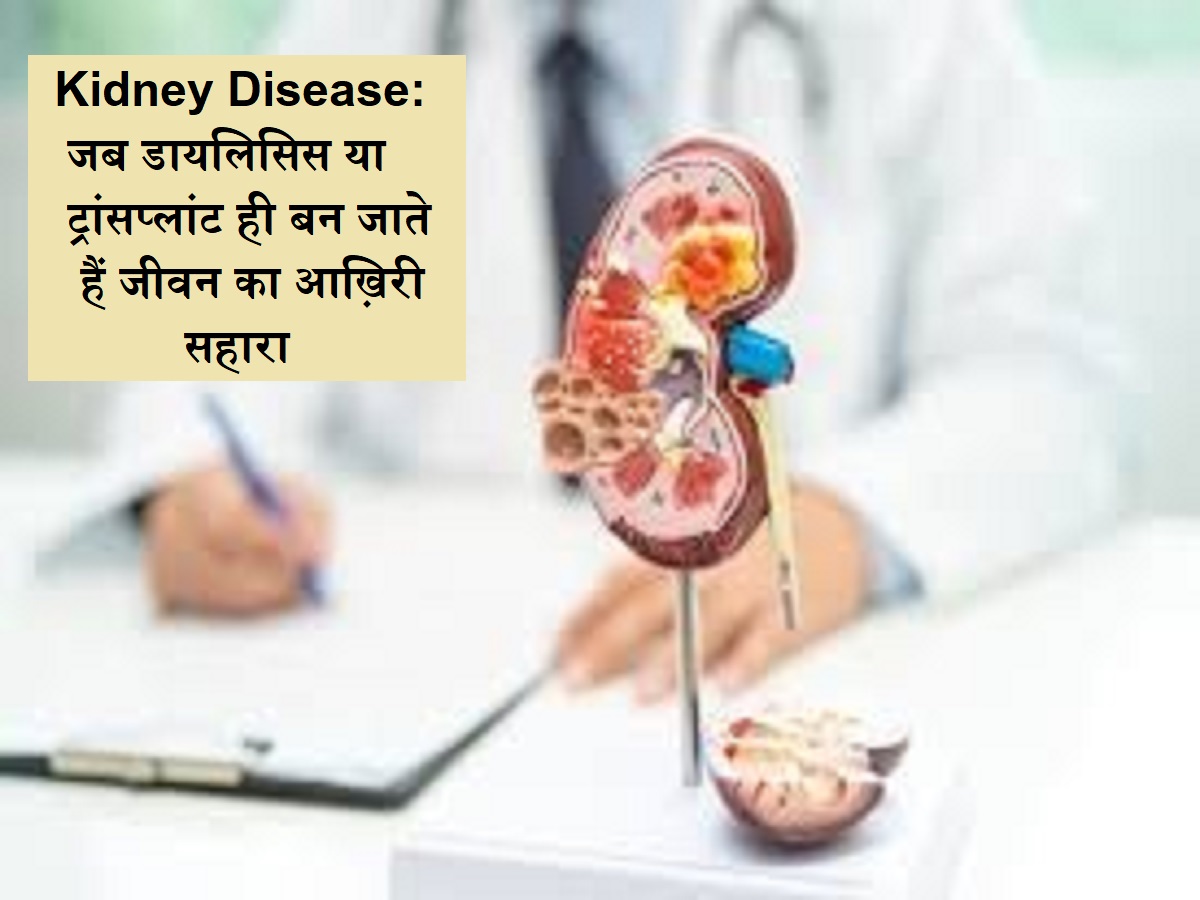
News India Live, Digital Desk: Kidney Disease: In our body, kidneys i.e. kidney are two small but extremely important organs, which work to purify blood, remove excess water and poisonous substances from the body. They control blood pressure and also play an important role in bone health. But when it stops doing its work completely, it is called the end of the end-stage kidney disease, which is a serious risk for life. When the kidney reaches this final stage, the poisonous substances from the body are not able to be resolved properly. These toxic substances start accumulating in the body, which affects various organs and health starts to deteriorate rapidly. In such a situation, the patient has to face many symptoms. He may feel too much tired at all times, swelling (especially on the feet, ankles and facials) in many parts of the body, may be reduced or urine habits may be changed, hunger may feel less, there may be a problem of nausea or vomiting, muscles may have weakness and cramps, and can also have problems in sleep. In severe cases, problems like breathing difficulty, chest pain and itching in the skin are also revealed. There can be many main reasons behind this serious disease, the most prominent, the most prominent is long -lasting diabetes i.e. diabetes and hypertension. In addition, polycystic kidney disease, frequent stones in the kidney, autoimmune disease and prolonged use of certain medicines can also cause kidney failure. Although it is a serious condition, but two main avenues are available to deal with it in medical science, which can give new life to the patients. Dialysis is a process in which excess fluid and toxic substances are extracted from the body by filtering the blood through a machine. There are two main types of its: hemodialysis, in which the blood is purified outside the body through the machine, and peritoneal dialysis, in which the blood is purified using the internal layer of the stomach. Dialysis is a life-sax process, but it is not a permanent treatment, but a way to maintain life. At the same time, the other and often the favorite option is kidney transplant. It can be considered the only ‘cure’ of the final stage kidney disease. In this, a healthy kidney (obtained from a dead or living donor) is transplanted into the patient’s body. A successful transplant can help the patient live a normal life and eliminate the regular need for dialysis. Despite this, getting a suitable donor, the risk of rejecting the new kidney by the body after a transplant and taking medicines throughout life is its major challenges. Overall, end-stage kidney disease is a deadly disease, for which early diagnosis and proper treatment are necessary. The choice of both these options (dialysis or transplant) depends on the health status, age, and other factors of the patient, which is fixed in consultation with the physician.
[ad_2]