North India Statesman
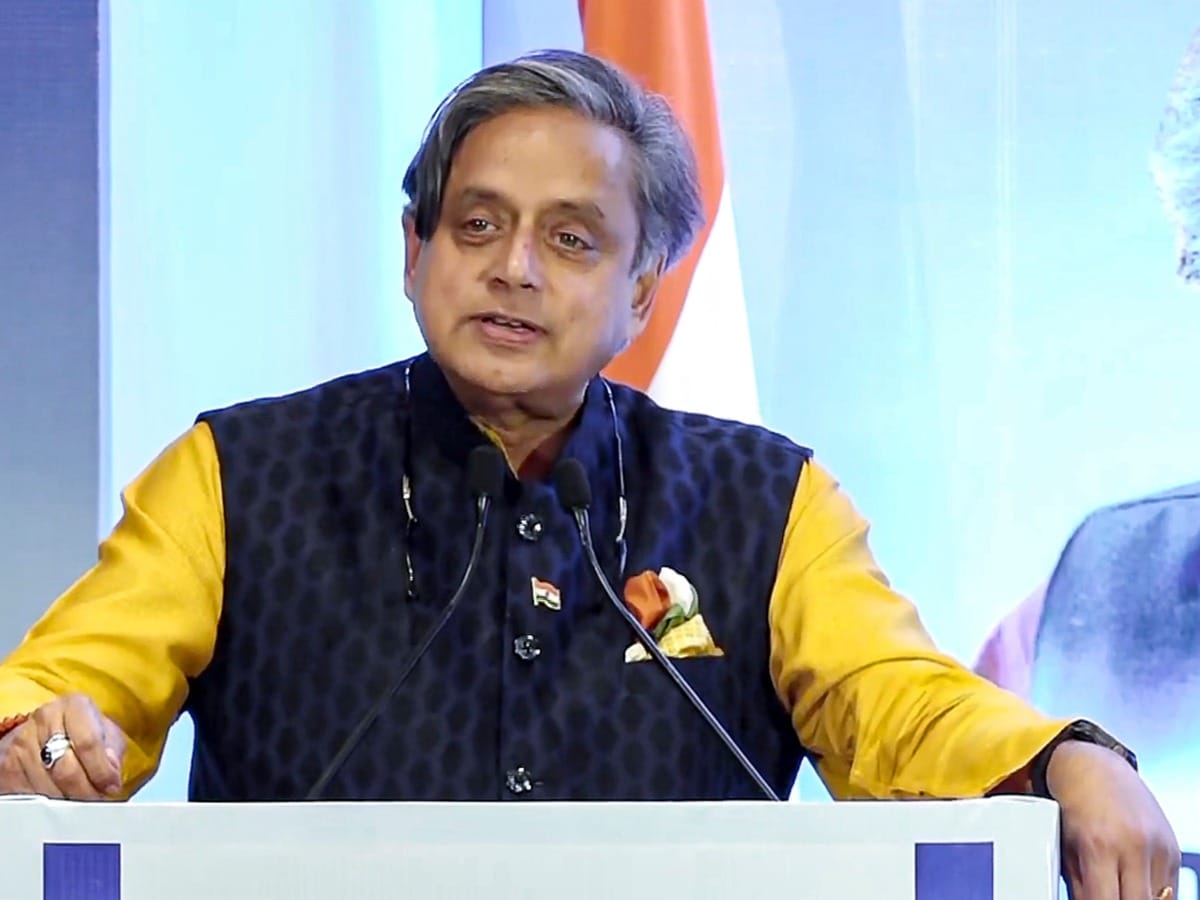
Senior Congress leader and former Union Minister Shashi Tharoor offered a measured perspective following the results of the US midterm elections, cautioning observers in India and abroad against celebrating prematurely. Addressing the shifting political landscape on Capitol Hill after the Democratic Party registered substantial gains across both chambers of the United States Congress, Tharoor pointed out that while President Donald Trump faces significant domestic legislative hurdles, his sweeping executive authority over foreign policy, tariffs, and global security remains largely intact.
Domestic Gridlock: The ‘Lame Duck’ Reality on Capitol Hill
Analyzing the institutional balance of power in Washington, Tharoor acknowledged that the loss of congressional majorities effectively curtails the Trump administration’s domestic ambitions. Under the American constitutional framework, a president without legislative control in the House of Representatives and the Senate cannot advance major federal legislation, alter statutory tax codes, or unilaterally push government appropriations.
“You can call President Trump a lame duck in those domestic areas, but short of that kind of thing, he can do what he likes… Not everything that the President is able to do is circumscribed by congressional approval,” Tharoor observed.
The veteran parliamentarian also pointed out the immediate logistical bottlenecks awaiting the White House, particularly regarding high-profile appointments. In the United States system, judicial postings, cabinet secretaries, and ambassadorial assignments require formal confirmation by the Senate. With Democrats taking control of the upper chamber, administrative nominees face rigorous scrutiny and procedural delays, severely limiting unilateral executive staffing.
Executive Autonomy: Why Foreign Policy Remains Firmly With the President
Despite domestic constraints, Tharoor emphasized that the executive branch in the United States possesses immense constitutional autonomy in external diplomacy and national defense that remains insulated from congressional vetoes.
The Congress MP highlighted critical areas where the US President retains decisive, unchecked command:
-
Trade Tariffs and Economic Sanctions: The US executive wields broad statutory authority under national security provisions (such as Section 232 and Section 301) to alter import duties, impose punitive trade levies, and enforce economic sanctions without requiring prior approval from lawmakers.
-
Military Posture and Geopolitics: Constitutional authority as Commander-in-Chief grants the president extensive latitude over military maneuvers, foreign strikes, and defense deployments overseas.
-
Multilateral Negotiations: Decisions on withdrawing from or altering bilateral agreements, engaging with international conflicts, and navigating regional security partnerships rest firmly within the Oval Office.
Pointing to rising geopolitical tensions in West Asia and ongoing deliberations concerning military action against Iran, Tharoor underscored that congressional shifts will not restrict Trump’s foreign policy calculations. “We must always understand that the election results will have no effect on this kind of decision,” Tharoor remarked, reiterating that international allies and adversaries alike must negotiate directly with the established reality of the White House.
What the Verdict Means for India and Bilateral Ties
From New Delhi’s vantage point, Tharoor noted that India must prepare to engage with the administration as it is, without banking on legislative gridlock to alter commercial pressures. Key bilateral friction points—including trade tariffs, scrutiny over energy procurement, and supply chain logistics—fall under presidential prerogative rather than congressional oversight.
While the midterm outcome demonstrates the vibrancy and periodic recalibration of American democracy, Tharoor’s assessment serves as a clear diplomatic reminder: political setbacks on Capitol Hill rarely diminish the reach of the American presidency on the international stage.