North India Statesman
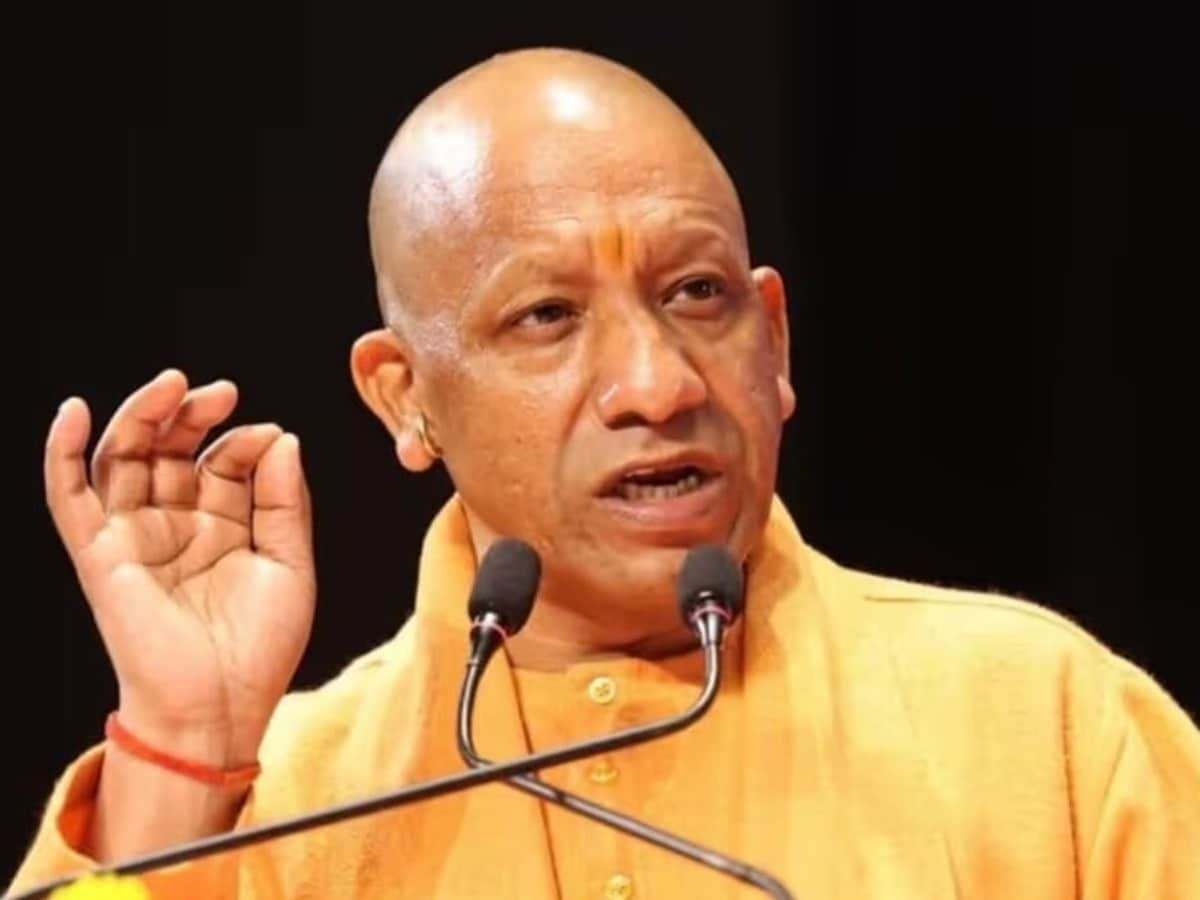
In a major festive development bringing widespread financial cheer to grassroots educational staff across Uttar Pradesh, the state government led by Chief Minister Yogi Adityanath has approved an ad-hoc monthly hike for mid-day meal cooks. Over 3.53 lakh cooks engaged across more than 1.41 lakh primary, upper primary, and government-aided schools will now receive a monthly honorarium of ₹3,000, up from the longstanding compensation of ₹2,000. Designed as a dedicated pre-Diwali welfare initiative, the revision directly improves liquidity for rural and semi-urban women workers who prepare daily meals for over 1.46 crore school children enrolled under the PM Poshan initiative. Following administrative approvals, formal directives have been dispatched to ensure that enhanced earnings reach beneficiaries without operational hurdles before festival celebrations begin.
Financial Anatomy Of The Hike: How State Funding Delivers The Full ₹1,000 Increase
Under the prevailing operational structure of the mid-day meal framework, the basic monthly honorarium of ₹2,000 was funded through a collaborative formula involving both central and state budgetary provisions. The central government contributed ₹600 per worker per month, while the Uttar Pradesh state exchequer provided the remaining ₹1,400. Under Chief Minister Yogi Adityanath’s revised mandate, the entire newly sanctioned increment of ₹1,000 per month will be absorbed solely by the state government, increasing the state’s total share to ₹2,400 per cook. Consequently, the total take-home pay jumps by 50 percent to ₹3,000 every active month, while auxiliary benefits such as the annual uniform allowance of ₹500 directly transferred via Direct Benefit Transfer (DBT) remain fully protected and intact.
Arrears Payout In October: Cooks To Receive ₹4,000 Composite Credit Before Diwali
To deliver immediate festive relief, the state administration has given retroactive effect to the enhanced pay scale starting from September. Under the implementation guidelines, the upcoming October disbursement cycle will bundle the revised monthly honorarium along with one full month of pending arrears. Eligible personnel will receive a consolidated sum of ₹4,000 directly into their bank accounts—comprising ₹3,000 for October duties and ₹1,000 representing retrospective September arrears. Mid-Day Meal Authority Director Prem Ranjan Singh issued strict instructions to all district Basic Shiksha Adhikaris (BSAs) and Finance and Accounts Officers across all 75 districts to process payroll batches promptly, cautioning that procedural delays or clerical laxity in festival disbursals will draw swift departmental accountability.
Understanding Working Tenures: 10-Month Remuneration Cycle And Welfare Entitlements
While the honorarium hike provides substantial economic relief, the administrative framework governing school cooks continues to follow the standard 10-month academic calendar. Because basic schools remain closed for extensive summer and winter vacations, honorariums are structured around 10 functional working months per academic year rather than a full 12-month cycle. Even within this working calendar, the enhanced ₹3,000 payout provides an additional ₹10,000 in net annual earnings for each worker’s household. Furthermore, this financial update supplements broader welfare programs previously introduced by the Yogi cabinet, which include dedicated health security cards for cashless medical coverage, accidental insurance protection, and revised service conditions designed to enhance institutional dignity for women school staff.
Socio-Economic Ground Reality: Empowering Rural Women And Local Economies
The vast majority of the 3.53 lakh school cooks across Uttar Pradesh belong to marginalized, economically weaker, and rural communities. For years, worker unions and community representatives had highlighted that the ₹2,000 honorarium fell short against modern inflationary pressures. By releasing an additional ₹1,000 per month alongside bundled arrears directly ahead of Diwali, the state administration provides essential purchasing power to thousands of rural kitchens. Local market analysts note that this targeted injection of disposable income directly into grassroots hands stimulates retail purchases of festival essentials, clothing, and household goods across tier-2, tier-3, and village markets, turning an administrative policy decision into a widespread economic cushion.