North India Statesman
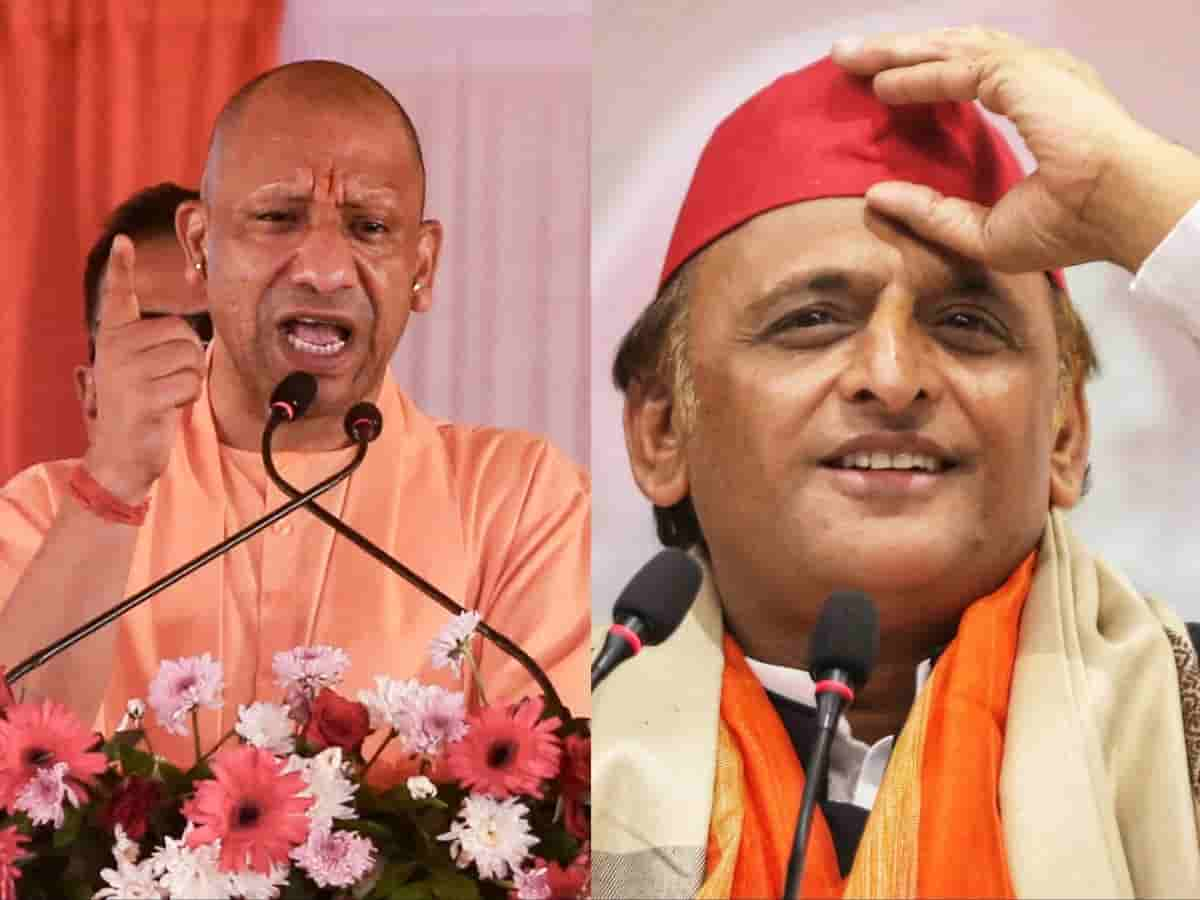
The high-voltage biennial elections to 11 seats of the Uttar Pradesh Legislative Council (Vidhan Parishad)—comprising five Graduates’ and six Teachers’ constituencies—culminated in an intense political contest that ended in a razor-thin 6–5 verdict between the ruling Bharatiya Janata Party (BJP) and the opposition Samajwadi Party (SP). Billed by political analysts as an ideological testing ground ahead of the crucial 2027 Uttar Pradesh Assembly elections, the electoral map revealed a distinct geographical split. While the BJP reaffirmed its organisational supremacy across western Uttar Pradesh and parts of central UP, Akhilesh Yadav’s Samajwadi Party mounted an aggressive counter-surge in Purvanchal and the eastern constituencies, defending key bastions and flipping historic strongholds. The final scorecard delivered a balanced outcome: the BJP secured six seats (four Teachers’ and two Graduates’ seats), while the Samajwadi Party bagged five (three Graduates’ and two Teachers’ seats), significantly increasing its tally from the previous cycle.
The Final Scoreboard: How the Regional Contests Unfolded Across UP
Counting centres in Meerut, Bareilly, Lucknow, Varanasi, Prayagraj, and Gorakhpur witnessed round-by-round drama that extended well past midnight. In Western UP, the BJP consolidated its traditional voter base: Dinesh Goyal retained the Meerut-Saharanpur Graduates’ seat, while Shrichand Sharma claimed the Meerut Teachers’ constituency. The ruling party also held firm in Rohilkhand with Hari Singh Dhillon winning the Bareilly-Moradabad Teachers’ seat, alongside victories in the Lucknow Teachers’ and Gorakhpur-Faizabad Teachers’ constituencies. Conversely, the Samajwadi Party dominated the eastern theatre. In Varanasi, the SP retained the Varanasi Graduates’ seat through Ashutosh Sinha and swept the Varanasi Teachers’ seat with Lal Bihari Yadav. The SP also captured the high-profile Lucknow Graduates’ seat, Allahabad-Jhansi Graduates’, and pulled off an upset in the Agra Teachers’ seat through Akash Agrawal, pushing the party to an impressive five-seat total.
Takeaway 1: SP Expands Its Council Footprint and Gathers Direct Momentum for 2027
The single biggest strategic takeaway from this election cycle is the Samajwadi Party’s demonstrable growth among educated voters. In the 2020 MLC elections, the SP managed just three seats while the BJP carried six. By elevating its tally from three to five, Akhilesh Yadav’s party has added critical legislative firepower to the upper house. Winning three of the five Graduates’ constituencies proves that the SP’s political resonance is no longer confined to rural agrarian demographics, validating its expanded PDA (Pichhda, Dalit, Alpsankhyak) coalition among white-collar youth, government job aspirants, and degree holders across urban hubs.
Takeaway 2: The High-Profile Symbolism of SP’s Eastern Sweep in Varanasi
The outcome in eastern Uttar Pradesh carried immense symbolic weight, especially in Varanasi—the parliamentary constituency of Prime Minister Narendra Modi. The Samajwadi Party successfully defended both the Varanasi Graduates’ and Teachers’ constituencies against an aggressive campaign mounted by senior state ministers. Coupled with strong results across Allahabad, Jhansi, and neighbouring Purvanchal districts, the eastern outcome indicates that anti-incumbency sentiments regarding localized issues remain strong in eastern Uttar Pradesh, preventing the ruling coalition from consolidating total electoral dominance in Purvanchal.
Takeaway 3: BJP’s Cadre Fortress in Western UP Remains Resilient
Despite the SP’s eastern surge, the BJP demonstrated that its election machinery in western and north-central Uttar Pradesh remains formidable. Sweeping both the Teachers’ and Graduates’ segments in Meerut and holding Bareilly-Moradabad showcased the party’s deep organizational roots among urban professionals, trading communities, and upper-caste associations. Despite sustained opposition narratives concerning agricultural distress and inflation, the western UP electorate rallied behind the ruling party’s administrative stability and infrastructure record, providing the BJP with a protective electoral buffer in the west.
Takeaway 4: Government Employees and Teachers Rally Behind the OPS Demand
The elections to the six Teachers’ and five Graduates’ constituencies served as a direct referendum on employee welfare issues. A major factor driving voter mobilisation toward the Samajwadi Party was its explicit commitment to the restoration of the Old Pension Scheme (OPS), regularisation of ad-hoc teachers (vitt-viheen shikshak), timely salary disbursements, and institutional accountability regarding competitive exam leaks. Government educators and university graduates voted in record turnout percentages, reflecting heightened political awareness among public-sector employees.
Takeaway 5: Total Bipolarization Ends the Era of Independent Hegemony
Historically, Uttar Pradesh MLC elections—especially within the Teachers’ quota—were dominated by non-political teachers’ federations, independent leaders, and local syndicates. This election formally confirmed the complete nationalisation and bipolarization of the state’s upper house contests into a head-to-head BJP versus SP showdown. Independent candidates and smaller political outfits were largely squeezed out of contention. With the final score settled at 6–5, both camps walk away with actionable insights: the BJP maintains the overall legislative edge, while the SP gains vital psychological leverage in the long march toward the 2027 assembly elections.