North India Statesman
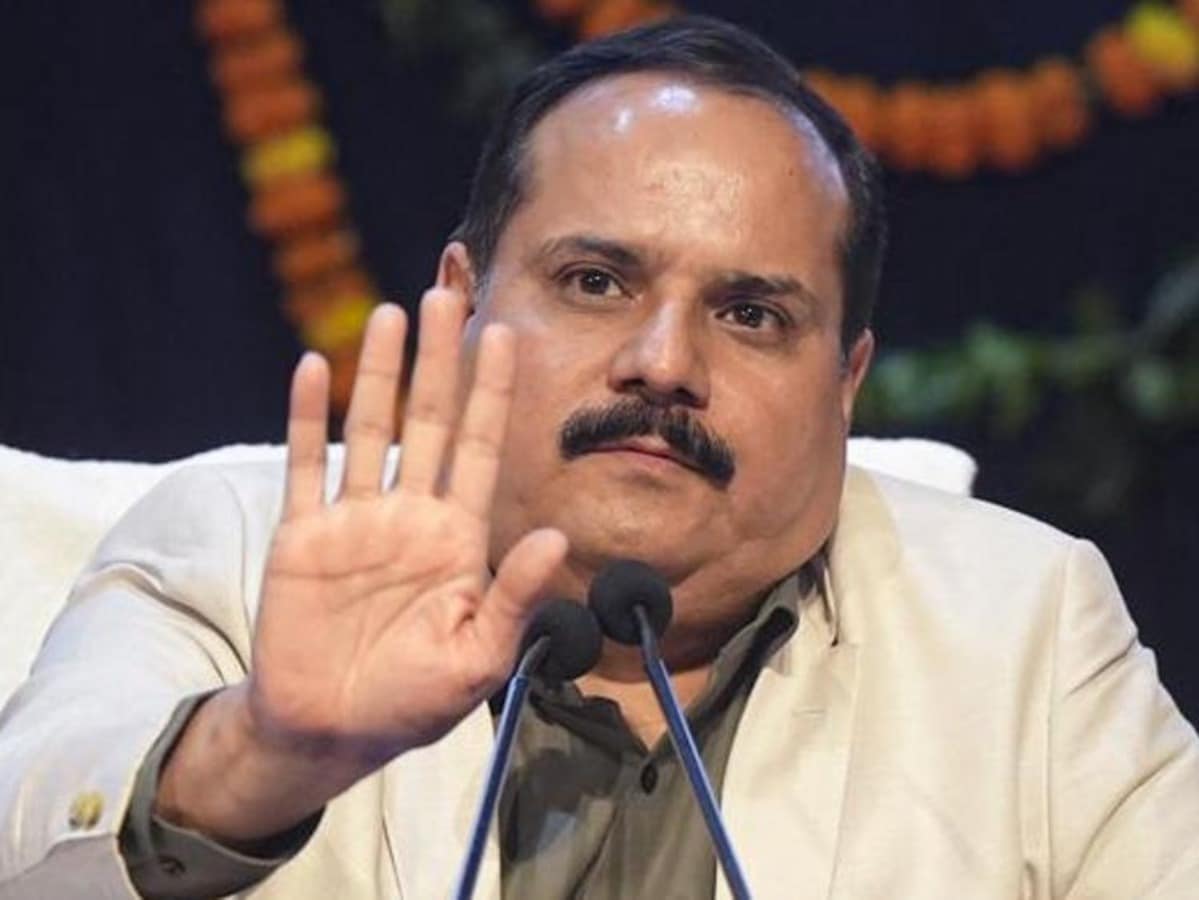
A heated political debate over Uttar Pradesh’s electoral rolls ahead of the 2027 Assembly elections has prompted a detailed clarification from the state’s top poll official. Uttar Pradesh Chief Electoral Officer (CEO) Navdeep Rinwa stated that the Election Commission has neither written to Chief Minister Yogi Adityanath seeking formal evidence or an affidavit nor demanded affidavits from opposition parties over claims regarding missing voters. Speaking in interviews with The Indian Express and other media outlets, Rinwa addressed questions surrounding the Chief Minister’s assertion that roughly 1.27 crore Hindu voters were missing from the state’s voter list, as well as opposition allegations of unequal treatment by the poll panel.
Why Did the Question of an Affidavit Emerge in Uttar Pradesh?
The controversy escalated following repeated statements by Chief Minister Yogi Adityanath alleging that approximately 1.27 crore Hindu voters had been excluded from Uttar Pradesh’s electoral rolls during the Special Intensive Revision (SIR). On November 25, 2026, speaking at an event in Lucknow, Adityanath clarified that he had arrived at the 1.27 crore figure using artificial intelligence (AI) analysis. Opposition leaders, including Samajwadi Party (SP) president Akhilesh Yadav and Rajya Sabha MP Kapil Sibal, publicly questioned the source and basis of the Chief Minister’s figures.
In response, Samajwadi Party leaders and political observers raised questions about institutional parity, asking whether the Election Commission would demand a formal affidavit from the Chief Minister to substantiate his claim—similar to past controversies where opposition parties alleged they were asked for sworn affidavits when flagging electoral roll discrepancies. Separately, a citizens’ commission comprising retired judges also issued a notice seeking verifiable evidence from Adityanath regarding his claim.
What Did UP Chief Electoral Officer Navdeep Rinwa Say?
Addressing whether the poll body had written to Chief Minister Yogi Adityanath asking for the basis of his remarks, Navdeep Rinwa told The Indian Express that viewing the situation as a confrontation between the Chief Minister and the Commission was an “incorrect reading”. “I am saying I do not have the data to agree or disagree with the Chief Minister. The Chief Minister can comment, Akhilesh Yadav can comment, you can, because India is a democracy… I don’t think he is questioning the Election Commission,” Rinwa stated.
Rinwa has consistently maintained that the Election Commission treats all political stakeholders identically and does not require affidavits from political parties when complaints or lists regarding electoral rolls are submitted. According to the CEO’s office, earlier submissions from the Samajwadi Party flagging duplicate entries were accepted without affidavits and forwarded for field verification, reinforcing the Commission’s position that no party is singled out for stricter procedural hurdles.
Why the Election Commission Cannot Verify Religion-Wise Voter Claims
A central pillar of Rinwa’s clarification rests on how voter data is legally collected and stored in India. The UP Chief Electoral Officer emphasized that the Election Commission of India does not collect, maintain, or analyze voter rolls based on religion or caste. Pointing out that Form 6—the statutory application used by citizens to enroll as new voters—contains no column for religious or caste identity, Rinwa explained that the Commission’s database can only be analyzed across parameters such as age and gender.
“About 2.5 crore people in Uttar Pradesh are eligible to be on the voter list, but their names are not there,” Rinwa told The Indian Express, adding that he could not state how many of those individuals belong to Hindu, Muslim, Sikh, Christian, or any specific caste group. He also rejected suggestions of any organized conspiracy by election officials, employees, or political groups to target any specific religion, caste, village, or urban neighborhood.
Understanding the 2.5 Crore Unregistered Voters and Pilibhit Probe
To explain why roughly 2.5 crore eligible residents in Uttar Pradesh remain off the electoral rolls, Rinwa clarified the distinction between deliberate deletion and non-registration. Under Indian election law, voter registration is voluntary; officials cannot automatically add citizens to the voter list unless the individual submits Form 6 along with their signature or thumbprint. Because Aadhaar cards—held by nearly 99.99 percent of residents—serve as sufficient proof of date of birth and address, the CEO urged unregistered citizens to apply during the ongoing revision drive.
At the same time, Rinwa acknowledged isolated instances of procedural misconduct that were promptly acted upon. Citing an October 22, 2026 statement from his office regarding irregularities in 10,470 entries in the Pilibhit Sadar Assembly constituency—a discrepancy first flagged by the Samajwadi Party—Rinwa noted that a computer assistant had altered names without corresponding application forms. Criminal cases were registered against two Electoral Registration Officers and the computer assistant, who was subsequently dismissed from service. Comprehensive checks across all other assembly segments in Uttar Pradesh confirmed that no mass community- or caste-based targeting had occurred elsewhere.
Current Status of Uttar Pradesh’s Electoral Roll Revision
Following the Special Intensive Revision concluded in April 2026—which brought Uttar Pradesh’s electorate from 15.44 crore down to 13.39 crore after removing deceased, shifted, and duplicate entries—the Election Commission published the draft electoral rolls for the Special Summary Revision (SSR) on November 17, 2026. The draft roll registered a net addition of 18,84,113 voters, bringing the provisional state electorate to 13,58,68,905. Citizens across Lucknow and all 75 districts have until December 16, 2026, to file claims and objections using Forms 6, 7, and 8 before the final electoral roll is published on January 4, 2027.