North India Statesman
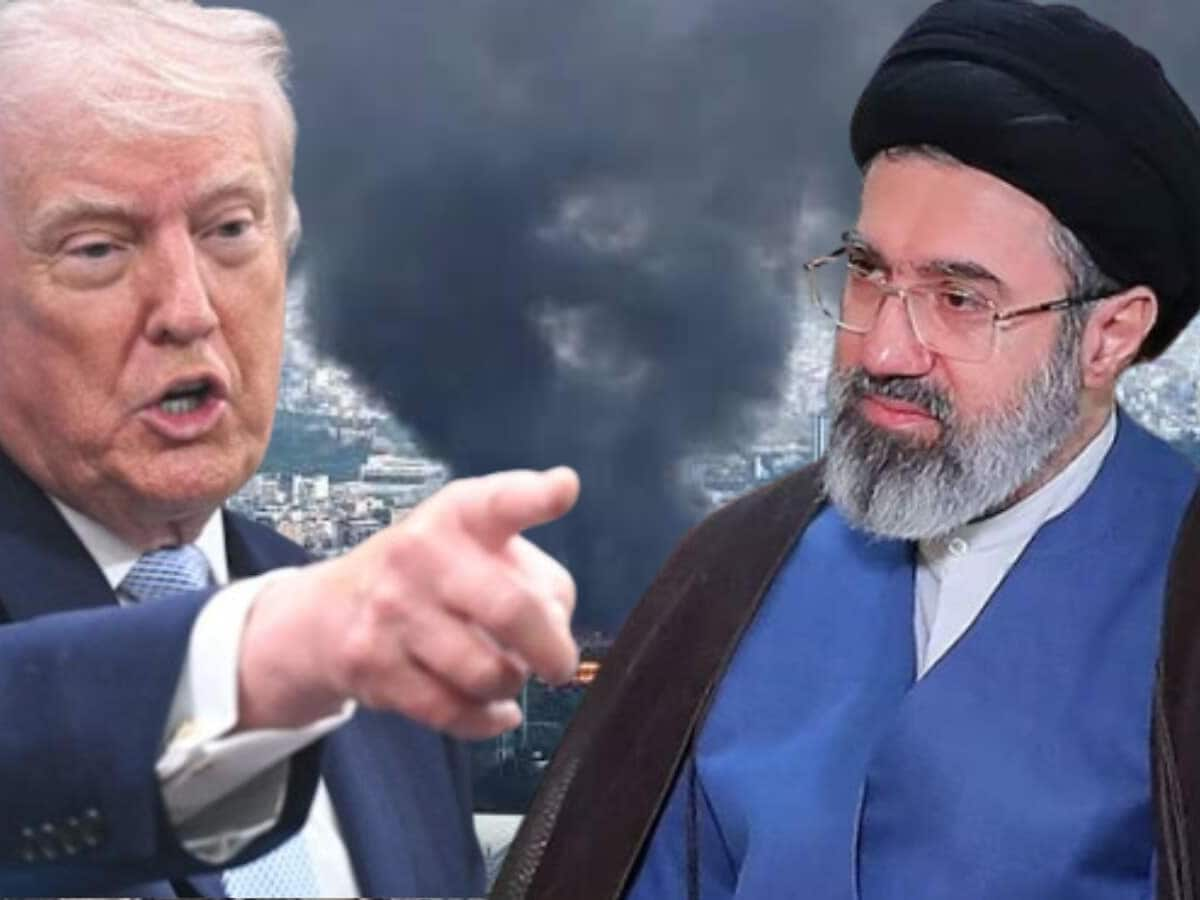
Dramatic claims have flooded social media timelines over the past 24 hours, warning that Iran is preparing to imminently drop a dirty bomb on American soil and assassinate senior officials in President Donald Trump’s administration. While the viral panic has sparked widespread public uproar, the reality emerging from Washington, D.C., is far more nuanced than the sensational headlines suggest. According to multiple national security sources, American intelligence agencies have indeed detected Iranian contingency planning involving a radiological or chemical device in the U.S. capital, yet senior officials stress there is zero evidence an attack is imminent.
What US Intelligence Actually Found in Washington
The wave of alarm traces back to reporting by CNN, which cited seven U.S. officials familiar with recent classified intelligence assessments. Those intelligence streams indicate that Tehran has been exploring potential plans to target high-ranking members of the Trump administration in Washington, D.C., using either a so-called dirty bomb or a chemical agent. Two sources familiar with the briefings noted that the intercepted intelligence contained notable specificity, identifying particular locations and potential high-profile targets across the capital region. Additionally, intelligence agencies picked up Iranian communications claiming that bomb-making materials had already been prepositioned inside the United States. However, intelligence analysts remain sharply divided over whether those intercepted claims reflect genuine operational readiness or strategic disinformation designed to rattle Washington. Most officials currently view Tehran’s preparations as an effort to keep retaliatory options open rather than a sign that an attack order has been given. Even more importantly, senior security officials openly debate whether Iran actually possesses the trained operatives on the ground in North America required to execute such a complex operation.
How the White House and Secret Service Responded
Despite the internet uproar, the White House moved quickly to calm public anxiety and push back against narratives of an unavoidable strike. White House spokesperson Lauren Bis stated that while national security teams are actively monitoring every potential danger, there are currently no credible threats to the American homeland. Meanwhile, the Pentagon referred all media inquiries regarding the intelligence assessments to the Office of the Director of National Intelligence, which declined to comment on classified matters. Behind the scenes, however, protective agencies have quietly tightened security protocols around key cabinet members in Washington. Earlier this month, the U.S. Secret Service relocated Treasury Secretary Scott Bessent to secure military housing after intelligence briefings flagged Iranian-linked threats against his life. Bessent publicly acknowledged moving to a military installation under Secret Service instructions, underscoring that while officials downplay mass public panic, targeted executive protection remains on high alert.
What a Dirty Bomb Is and Why Experts Urge Perspective
Understanding why security experts distinguish a dirty bomb from a nuclear warhead is essential to cutting through online misinformation. A dirty bomb, technically known as a radiological dispersal device, combines conventional explosives like dynamite with radioactive material such as medical or industrial isotopes. Unlike a nuclear weapon, which triggers a massive atomic fission explosion capable of leveling an entire city, a dirty bomb cannot create a nuclear blast. Counterterrorism specialists note that the immediate physical casualties from such a device would come primarily from the conventional explosive blast itself rather than acute radiation sickness. Security officials describe a dirty bomb as a psychological weapon of terror rather than a battlefield weapon of precision, designed to spark panic, contaminate city blocks, and force costly environmental cleanups. Because acquiring radiological material requires far less technical infrastructure than enriching weapons-grade uranium, intelligence agencies take any chatter around radiological devices seriously, even when analysts doubt an adversary’s ability to deploy one.
Tehran Denies Allegations Amid Escalating Conflict
Iranian diplomats swiftly rejected the intelligence reports as fabrications. A spokesperson for Iran’s mission to the United Nations in New York issued a statement insisting that Tehran considers the use of chemical weapons under any circumstances to be wholly illegitimate and categorically refuted the allegations. Notably, however, the Iranian statement did not directly address the specific intelligence claims regarding a radiological dirty bomb. The intelligence leak arrives more than eight months into a grinding military confrontation between the United States, Israel, and Iran that erupted with major airstrikes in late February 2026. With three American aircraft carrier strike groups enforcing a punishing naval and economic blockade—a campaign Treasury Secretary Bessent recently warned could shrink Iran’s economy by 25 percent—U.S. officials believe Tehran’s incentive to explore asymmetric retaliation has grown. Intelligence analysts also warn that Iran could consider using chemical weapons against U.S. troops stationed across the Middle East, prompting urgent efforts to ensure American military and diplomatic personnel in the region have adequate protective gear.
Surveillance Law Debate Adds Urgency on Capitol Hill
The timing of the intelligence disclosure has also injected fresh urgency into a fierce legislative battle on Capitol Hill. Section 702 of the Foreign Intelligence Surveillance Act, a cornerstone legal authority that allows American intelligence agencies to collect communications of foreign nationals abroad without individual warrants, lapsed in June 2026 amid disagreements between lawmakers and the administration. Although existing surveillance orders remain legally valid until March 2027, top national security leaders—including Attorney General Todd Blanche, CIA Director John Ratcliffe, and Director of National Intelligence Jay Clayton—have pressed Congress to reauthorize the statute immediately. In a joint appeal to congressional leadership, they warned that allowing foreign intelligence collection powers to remain in limbo puts both Americans at home and troops deployed overseas at unnecessary risk. For readers across the United States and around the world, the takeaway from intelligence professionals is clear: while Washington is taking prudent precautions against asymmetric Iranian threats, viral claims of an imminent dirty bomb strike on America dramatically overstate what U.S. intelligence actually shows.