North India Statesman
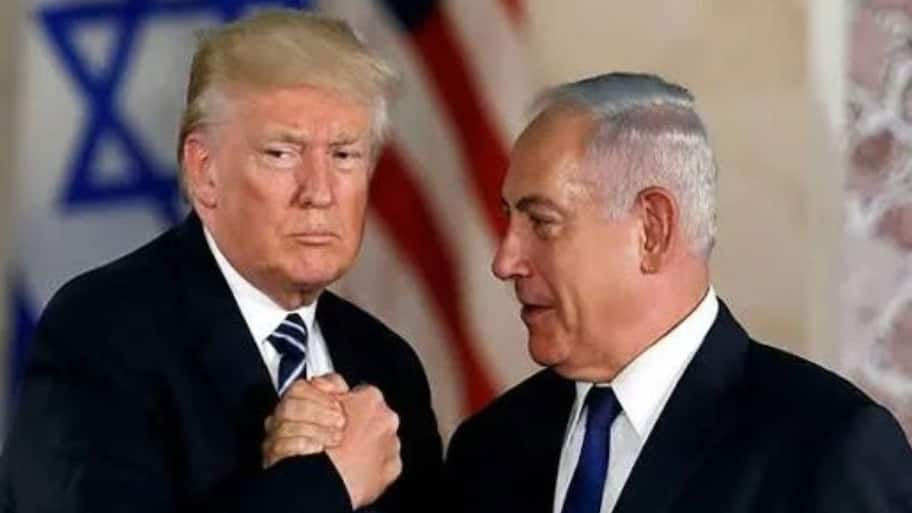
A clandestine meeting between United States Defense Secretary Pete Hegseth and Israeli Prime Minister Benjamin Netanyahu has triggered intense international speculation regarding whether Washington and Tel Aviv are laying the groundwork for renewed military action against Iran. The unannounced rendezvous took place at Ovda Air Base in southern Israel, a secure desert installation hosting American military assets, including fighter aircraft and aerial refueling tankers. The unusually long, closed-door discussions—held away from standard ministerial offices in Tel Aviv or Jerusalem—signaled an operational focus, prompting regional defense analysts and financial markets to assess the immediate risks of another major escalation in the Middle East.
Timing Across Frontlines: Elections and Strategic Friction
The secret discussions arrived at a volatile geopolitical crossroads, occurring just days ahead of Israel’s parliamentary elections on October 27. Over recent weeks, security across the Persian Gulf has deteriorated sharply amid tensions along the Strait of Hormuz, heightened Houthi maritime activities, and coordinated defense assessments across Israeli command structures. While Israeli military planners have suspended troop leave across key operational units to maintain elevated combat readiness, the presence of America’s top defense official in a forward air facility indicates that strategic contingency planning for multi-front containment is actively underway.
Internal Debates: Preemptive Strike vs. Diplomatic Deterrence
Despite the high-profile nature of the Ovda base meeting, defense reports indicate a nuanced debate within the Trump administration regarding the immediate necessity of kinetic operations. Key factions within US Central Command (CENTCOM) and defense leadership are reportedly prepared to counter Iranian regional actions decisively if critical deterrence red lines are breached. Concurrently, broader diplomatic channels and senior White House advisers favor leveraging maximum economic enforcement and diplomatic ultimatums—specifically demanding ironclad, verifiable guarantees against Iranian nuclear weaponization before authorizing direct strikes. The secret consultation between Hegseth and Netanyahu served to synchronize tactical intelligence, evaluate strike capabilities, and establish unified operational parameters should deterrence collapse.