North India Statesman
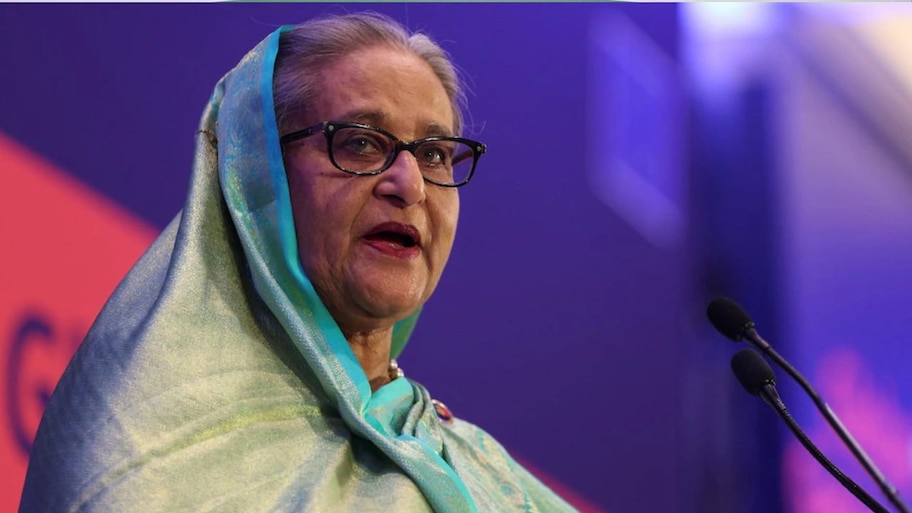
In a dramatic geopolitical revelation that has sparked global debates, Sajeeb Wazed Joy, son of former Bangladesh Prime Minister Sheikh Hasina, claimed that foreign intelligence agencies—specifically orchestrated under US directives—were directly responsible for the recent political regime change in Bangladesh. Speaking in an exclusive international media interview, Wazed alleged that foreign powers actively funded and strategically backed anti-government agitations to destabilize the Awami League government. He asserted that the political uprising was not merely a spontaneous domestic student movement, but rather a deeply engineered regime-change operation aimed at establishing strategic geopolitical dominance in the Bay of Bengal region.
Strategic Geopolitical Motivations Behind the Alleged Foreign Coup
Detailing the underlying geopolitical dynamics, Sajeeb Wazed pointed out that the Sheikh Hasina administration’s refusal to compromise on national sovereignty and foreign policy autonomy angered western decision-makers. He highlighted how foreign entities had repeatedly pressed Dhaka for defense access and strategic footholds, which the Hasina government consistently denied to protect South Asian regional stability. Wazed emphasized that the sudden escalation of mass protests and tactical logistics utilized during the unrest strongly indicate external backing, external financial assistance, and sophisticated digital campaign operations managed from outside Bangladesh’s borders.
Diplomatic Fallout and Regional Security Implications Across South Asia
The explosive allegations made by Hasina’s son have sent shockwaves through international diplomatic circles and security establishments across South Asia, particularly in neighboring India. Security analysts and foreign policy experts in New Delhi and regional capitals like Lucknow and Dhaka are closely monitoring the unfolding narrative as it raises serious questions regarding foreign interference in sovereign democratic nations. As political transitions continue in Bangladesh, these allegations are expected to intensify global scrutiny over foreign involvement in regional governance, impacting trade corridors, cross-border security, and diplomatic alignments across South Asia.