North India Statesman
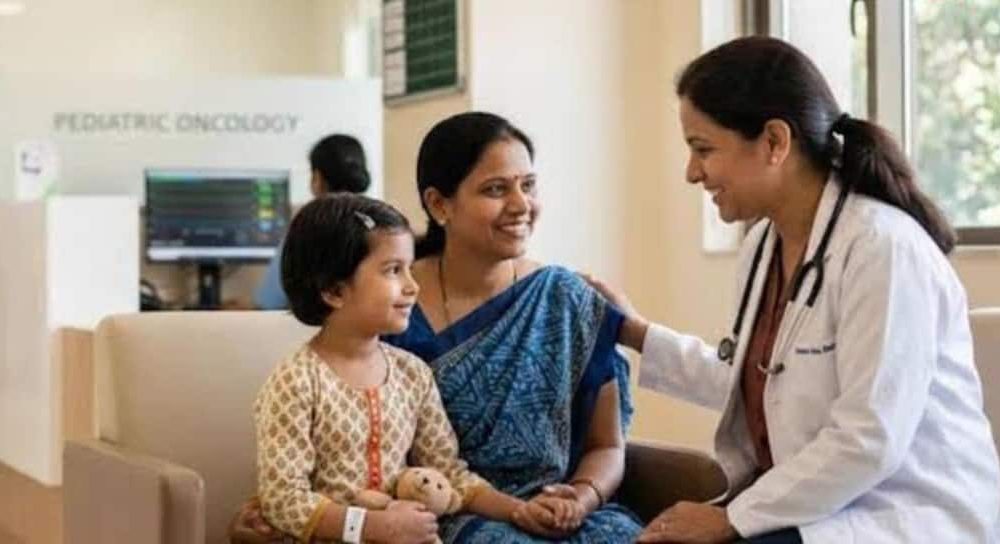
A ground-breaking clinical investigation published in the prominent UK-based Journal of Cancer Policy has unveiled critical findings regarding the geographic distribution and burden of pediatric oncology across India. Analyzing clinical data from more than 22,000 children battling malignancies, the extensive research highlights severe regional concentrations alongside distressing treatment accessibility bottlenecks. Leading the nationwide tally with significant numbers is Uttar Pradesh, closely followed by major healthcare destinations and southern hubs that collectively bear the brunt of childhood cancer cases.
How Childhood Cancer Cases Are Distributed Across Indian States
The comprehensive dataset reveals that the incidence of pediatric malignancies is heavily concentrated in high-population belts and states with established tertiary care destinations. Out of the 22,000 recorded pediatric cases analyzed across institutions like AIIMS New Delhi, AIIMS Kalyani, and the Cancer Institute (WIA) Chennai, Uttar Pradesh documented the single largest patient population. The regional distribution clearly outlines how disease prevalence intersects with hospital registration trends, population densities, and clinical referral behaviors across north, south, and east zones.
Top 5 States Documenting the Highest Pediatric Oncology Burden
According to the published figures, Uttar Pradesh accounts for nearly a quarter of all pediatric cancer patients, with 5,057 registered children representing 22.6% of the national study cohort. Emerging second is the National Capital Territory of Delhi, registering 19.2% of the cases due to its position as a primary medical referral epicenter drawing families from various northern regions. Ranking third is Tamil Nadu, which recorded 4,010 young patients, making up roughly 18% of the cohort, driven by both high regional reporting and mature oncology treatment networks. Fourth position is occupied by Andhra Pradesh, contributing 6.1% with approximately 1,354 pediatric cases. The fifth spot belongs to West Bengal, followed closely by major patient numbers recorded from Madhya Pradesh and Bihar, confirming widespread cancer burden across central and eastern belts.
Critical Treatment Gaps and Travel Distances Threatening Child Survival
Beyond identifying geographical case concentrations, the findings spotlight severe infrastructural disparities in pediatric oncology centers. The disproportionate location of specialized childhood cancer facilities forces more than 60% of rural and semi-urban families to travel over two to three hours every single time they require diagnostics, chemotherapy infusions, or routine monitoring. Pediatricians point out that while blood cancers like leukemia necessitate frequent outpatient visits, solid tumors demand complex multi-specialty interventions like pediatric surgery and precision radiotherapy. The extensive travel burden, combined with mounting logistical and living expenses away from home, triggers financial exhaustion and often leads to catastrophic treatment abandonment.
Urgent Policy Reforms Recommended by AIIMS and Oncology Experts
Oncologists and public health specialists involved in the evaluation stress that India’s childhood cancer survival rate—currently lagging behind high-income nations where cure rates exceed 80%—can only improve through decentralized infrastructure. Medical authorities advocate for expanding regional shared-care treatment networks, integrating primary health centers into early referral mechanisms, and establishing dedicated pediatric oncology wards at district levels. Ensuring local, accessible diagnosis and reducing inter-state medical transit will enable early stage intervention, slash dropout rates, and significantly increase long-term childhood survival.