North India Statesman
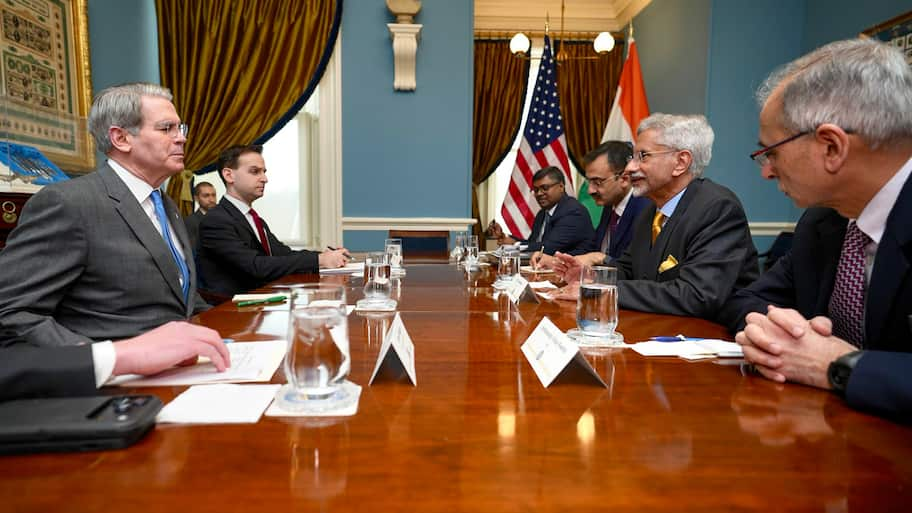
United States Treasury Secretary Scott Bessent has launched a sharp diplomatic critique against European allies, revealing that European capitals flatly declined Washington’s proposal to impose joint secondary tariffs on India and China over their large-scale purchases of Russian crude oil. Speaking during an appearance on NBC’s Meet the Press, Bessent questioned why the United States should shoulder the geopolitical and economic costs of penalizing Moscow alone while European nations shy away from enforcing similar penalties. The disclosure offers fresh insight into transatlantic divisions over energy sanctions and provides context for the Trump administration’s decision to temporarily pause punitive tariff measures targeting New Delhi and Beijing.
The Spring Push: Washington’s Proposal Rejected Across The Atlantic
According to Bessent, the White House initiated high-level consultations with European counterparts earlier in the spring, seeking a coordinated sanctions framework to penalize major importers of discounted Russian hydrocarbons. Under legislative mechanisms such as the Graham bill, the US executive branch holds the authority to slap reciprocal tariffs of up to 100 percent on imported goods from nations purchasing Russian oil and gas. However, the joint initiative dissolved after European partners refused to back tariffs against key Asian economies. “In the spring, I asked our European allies to join us in putting secondary tariffs on China, on India. They refused. So why should the US bear the burden?” Bessent remarked, highlighting the limits of American unilateralism.
Europe’s Energy Double Standard: Financing The War Machine
Treasury Secretary Bessent pointed directly to European reliance on Russian hydrocarbons, accusing European nations of sustaining Moscow’s revenue streams while preaching fiscal discipline to others. He noted that European imports of Russian liquefied natural gas (LNG) from Arctic hubs like the Yamal terminal continue at significant volumes, alongside regulatory carve-outs such as the United Kingdom’s decision to waive embargoes on jet fuel and diesel refined from Russian crude. Contrasting trade volumes, Bessent observed that while US imports of Russian goods stand at roughly $4 billion—primarily non-energy commodities like agricultural fertilizers—Europe has absorbed more than ten times that amount in energy imports, effectively transferring billions directly into Russian state coffers.
The 60-Day Sanctions Pause And Trump’s Strategic Calculus
The Treasury Secretary’s remarks arrived in defense of President Donald Trump’s executive decision to grant a 60-day pause on the enforcement of broad secondary sanctions. While the waiver attracted criticism from Capitol Hill lawmakers who argued it softened pressure on Moscow, the White House maintained that the statutory grace period allows US trade officials to evaluate the broader implications on global fuel markets. Bessent underscored that President Trump’s overriding priority remains bringing an end to the protracted Russia-Ukraine conflict through structured negotiations, warning that triggering immediate global supply shocks without European parity would penalize American consumers without stopping hostilities.
Geopolitical Realities: Preserving The Strategic Partnership With India
The diplomatic maneuvering highlights Washington’s delicate balancing act with New Delhi, balancing energy sanctions enforcement against the broader imperative of preserving the Indo-Pacific partnership. Supporting the administration’s pragmatic posture, US Secretary of State Marco Rubio affirmed that India remains an indispensable strategic ally, stressing that global crude markets face mounting volatility from Middle Eastern conflicts and supply disruptions. By refusing to isolate New Delhi with unilateral punitive tariffs that Europe declined to endorse, Washington appears focused on avoiding unnecessary friction with key democratic partners while keeping diplomatic channels open across both Europe and Asia.