North India Statesman
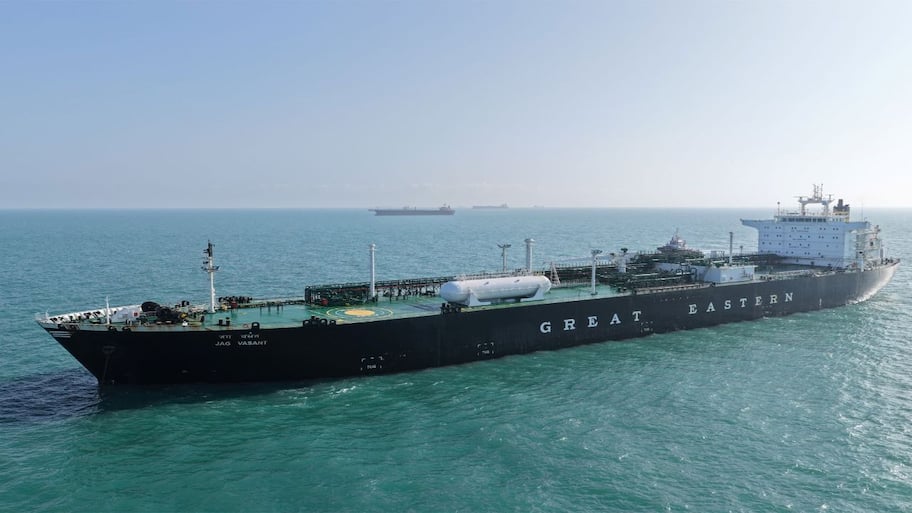
The Ministry of External Affairs (MEA), in coordination with the Ministry of Ports, Shipping and Waterways and Indian diplomatic missions across West Asia, has placed over 4,500 Indian seafarers operating in the Persian Gulf under close monitoring. The heightened surveillance follows an escalating series of attacks on commercial merchant vessels navigating vital bottlenecks, particularly west of the strategic Strait of Hormuz and into the Gulf of Oman. With maritime hostilities mounting, New Delhi is actively preparing multi-agency safeguards to ensure the safety, communication, and swift evacuation of Indian maritime workers if conflict widens.
Immediate Focus: 12 Key Cargo Ships Carrying Indian Crew
Official briefing data released by the MEA highlights an immediate priority group of vessels transiting high-risk corridors:
-
12 Active Cargo Vessels: The government is directly tracking 12 major cargo ships west of the Strait of Hormuz carrying a combined total of 163 Indian crew members.
-
Fleet Breakdown: This operational group comprises six India-flagged commercial vessels and six foreign-flagged ships carrying vital inbound cargo, including crude oil, fertilizers, and LPG to Indian ports.
-
Wider Seafarer Footprint: Beyond these 12 vessels, an estimated 4,500+ Indian maritime personnel are actively serving on various international merchant bulk carriers, container ships, and petroleum tankers navigating the broader Persian Gulf basin.
Trigger for Escalation: Recent Fatalities and Drone Strikes
The intensified government watch follows a troubling string of strikes targeting civilian commercial shipping along West Asian sea lanes:
-
Deadly Incidents at Sea: External Affairs Minister S. Jaishankar raised serious alarms after an Antigua and Barbuda-flagged bulk carrier, MV Cape Dao, was struck in the Gulf of Oman, resulting in the death of an Indian seafarer.
-
Missing Crew Near Hormuz: Only days prior, the Panama-flagged oil tanker EL Gaia was targeted while navigating the Strait of Hormuz, leaving an Indian crew member missing and later confirmed dead.
-
Global Precedents: Indian sailors have also suffered casualties in external conflict zones, including Black Sea strikes on merchant vessels such as MV Omorfi and MV Golden Leo. Calling repeated strikes on merchant vessels “completely unacceptable,” New Delhi has cautioned that civilian shipping lanes can no longer treat these attacks as isolated occurrences.
What Is the Government and MEA Preparing For?
To shield the nation’s vast seafaring community—which represents the world’s second-largest supplier of maritime workforce—India has operationalized several key emergency preparedness mechanisms:
-
24/7 Crisis Control Rooms & Vessel Tracking: The Ministry of Shipping, alongside the Directorate General of Shipping (DG Shipping), has activated round-the-clock monitoring desks using automated AIS vessel tracking and dedicated satellite check-ins for all Indian crew passing through the Persian Gulf and Arabian Sea.
-
Embassy Emergency Support Networks: Indian embassies in Tehran, Abu Dhabi, Muscat, Riyadh, and Kuwait have set up direct helplines to coordinate immediate consular clearance, emergency berthing, medical evacuation, and legal assistance in case a ship comes under fire or suffers mechanical failure.
-
Deployment of Naval Escorts (Operation Sankalp Framework): Indian Navy warships and surveillance aircraft operating under established maritime security frameworks stand on standby in the Gulf of Oman and northern Arabian Sea to provide deterrence, escort assistance, and rapid response to distress calls from Indian-flagged vessels.
-
Proposed Seafarers Emergency Support Network: On the global stage, India, in partnership with Liberia, has launched the Group of Friends on Safety and Security of Shipping and Seafarers, advocating for a multilateral emergency network to facilitate immediate distress alerts, family communication, and secure evacuation corridors for international mariners caught in regional conflicts.
-
Crew Deployment Advisories: DG Shipping has reviewed transit guidelines, issuing precautionary routing advisories and advising manning agencies to restrict new seafarer sign-ons on vulnerable high-risk routes until geopolitical de-escalation takes hold.
Safeguarding Energy Lifelines and Human Lives
The Persian Gulf and the Strait of Hormuz serve as the primary artery for India’s hydrocarbon imports, carrying over 80% of the country’s crude and natural gas supplies. While securing continuous industrial energy flow remains vital, the government has made clear that the life and physical protection of Indian sailors remains non-negotiable. By coordinating maritime surveillance, naval readiness, and multilateral diplomacy, the MEA is structuring a safety net to ensure civilian seafarers do not become casualties of escalating geopolitical friction.