North India Statesman
Even as American forces carry out fresh military strikes against Iranian coastal infrastructure in the Strait of Hormuz, U.S. President Donald Trump is preparing to sit face-to-face with Tehran’s two most powerful international backers. While Trump has not traveled to Iran itself—remaining in Asia for back-to-back diplomatic gatherings in Manila and southern China—his high-stakes itinerary places him directly alongside Chinese President Xi Jinping and Russian President Vladimir Putin, two leaders whom Trump has frequently described in friendly terms and whose nations serve as Iran’s closest economic and military partners. The diplomatic choreography unfolds at a deeply volatile moment in the Persian Gulf. On Tuesday, November 17, 2026, local Iranian officials confirmed that American forces conducted multiple strikes on Qeshm Island in the Strait of Hormuz, following late-night explosions days earlier at the southern Iranian port city of Sirik. With Washington tightening a naval blockade on Iranian ports while Trump seeks leverage through Beijing and Moscow, the dual-track strategy of military pressure and great-power diplomacy is reshaping the trajectory of the 2026 Middle East conflict.
Inside the Fresh US Strikes on Qeshm Island and Sirik Port
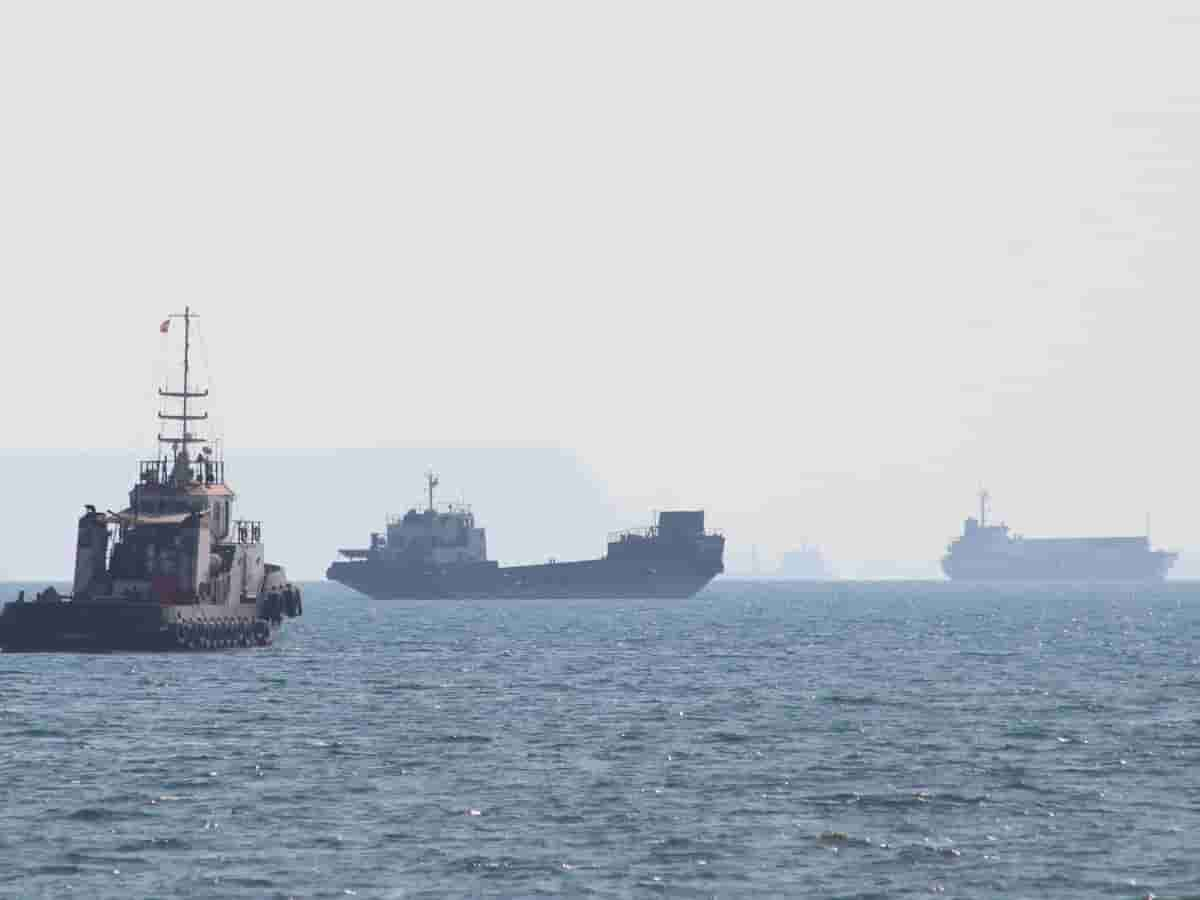
The latest round of military action along Iran’s southern coastline highlights how fragile the standoff in the Persian Gulf remains nearly nine months after direct hostilities erupted in February 2026. According to Ahmad Nafisi, deputy provincial governor of Iran’s southern Hormozgan province, U.S. forces carried out multiple strikes on targets across Qeshm Island on Tuesday, November 17. Although Iranian officials insisted the strikes caused no damage to residential or commercial zones, Qeshm Island sits squarely inside the narrow Strait of Hormuz and has repeatedly been targeted by U.S. forces aiming to neutralize anti-ship missile batteries and drone launch sites. Just days earlier, on November 13, multiple late-night explosions rocked the strategic port city of Sirik on the eastern edge of the strait in Hormozgan province, where previous U.S. strikes had also hit coastal communications and port infrastructure. Alongside kinetic strikes, U.S. Central Command continues to enforce a strict naval blockade restricting commercial vessels entering or leaving Iranian ports, crippling Tehran’s maritime trade.
Why Trump Is Engaging Iran’s Closest Allies in China
While viral social media commentary has occasionally blurred the geography of Trump’s travel schedule, the U.S. President is not visiting Tehran—where anti-American sentiment remains at a fever pitch—but rather engaging Iran’s two strongest geopolitical lifelines on neutral and allied Asian soil. After attending the ASEAN and Quad leaders’ summits in Manila, Trump traveled to the southern Chinese technology hub of Shenzhen for the Asia-Pacific Economic Cooperation (APEC) Economic Leaders’ Meeting taking place November 18–19. On the sidelines of the summit, the White House confirmed an unprecedented trilateral meeting bringing together Trump, Xi Jinping, and Vladimir Putin. Speaking to reporters ahead of the gathering, Trump stated explicitly that he intends to press both Xi and Putin to get involved and help bring the war with Iran to an end. Because China remains the largest buyer of sanctioned Iranian crude oil and Russia has deepened defense ties with Tehran, Washington views Beijing and Moscow as the only external powers capable of persuading Iran to accept nuclear curbs and reopen commercial transit in the Gulf.
Diverging Agendas Behind the Shenzhen Trilateral Talks
Despite Trump’s public optimism about leveraging personal rapport with Xi and Putin to broker stability, foreign policy analysts caution that all three leaders enter the Shenzhen summit with sharply competing priorities. For Beijing, prolonged instability in the Strait of Hormuz threatens its own energy security and global export supply chains, giving Xi Jinping a strong economic incentive to see maritime hostilities cool down. However, Chinese officials have resisted formal trilateral nuclear arms control negotiations and remain locked in disputes with Washington over semiconductor restrictions and trade tariffs. Meanwhile, Vladimir Putin views the trilateral format primarily as an opportunity to discuss a settlement in Ukraine and assert Russia’s status as an indispensable global power. In Tehran, Iranian officials have reacted with deep skepticism, insisting they will not negotiate under the shadow of port blockades and airstrikes, while warning that any lasting ceasefire requires the lifting of economic sanctions and an end to U.S. military operations.
How the Dual Track of Strikes and Diplomacy Impacts India
For India, the convergence of escalating strikes on Iranian ports and high-level diplomacy in Shenzhen carries immediate strategic and economic consequences. New Delhi has carefully balanced its ties across every corner of this geopolitical triangle—participating alongside Trump in the Quad summit in Manila to safeguard Indo-Pacific maritime security while maintaining vital energy, trade, and connectivity links in West Asia. Any prolonged disruption around Qeshm Island, Sirik, or the broader Strait of Hormuz directly threatens the sea lanes through which more than 60 percent of India’s crude oil imports and vast quantities of liquefied natural gas pass daily. Furthermore, the U.S. naval blockade and regional instability in southern Iran have complicated operations and trade logistics surrounding Chabahar Port, India’s crucial maritime gateway to Afghanistan and Central Asia. As Indian policymakers monitor both the military deployments in the Persian Gulf and the outcome of the Trump-Xi-Putin talks in China, stabilizing energy prices and ensuring safe passage for Indian merchant vessels remain New Delhi’s foremost priorities.