North India Statesman
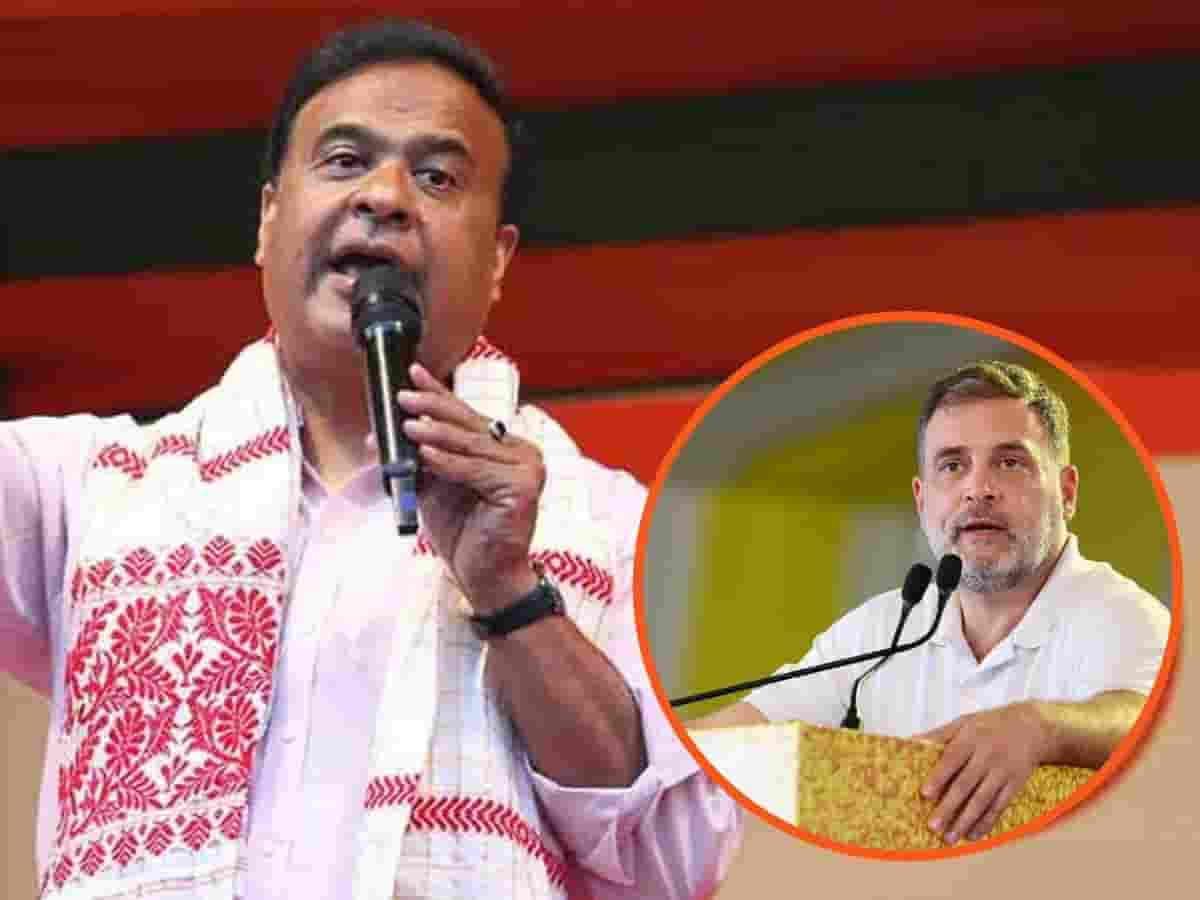
Assam Chief Minister Himanta Biswa Sarma launched a fiery political offensive against Congress leader and Leader of the Opposition in the Lok Sabha, Rahul Gandhi, dismissing his repeated allegations of “vote theft” and electronic voting machine tampering as signs of chronic electoral frustration. Addressing a massive public gathering in Purnia, Bihar, the senior Bharatiya Janata Party (BJP) leader declared that the ruling party’s electoral dominance is anchored in cultural pride rather than systemic manipulation, asserting that the BJP will continue to thrive across India as long as Sanatan Dharma endures. Sarma argued that Prime Minister Narendra Modi wins elections by winning people’s hearts (“dil ki chori”), neutralizing the opposition’s campaigns against institutional integrity.
The ‘Dil Chori’ Counter: How Modi Wins Hearts Instead of Stolen Mandates
Taking head-on the Congress party’s persistent claims that the Election Commission and ruling machinery manipulate electoral rolls and voting apparatus, Sarma turned the opposition’s phrasing on its head. He stated that theft is indeed taking place across the country, but it is the theft of citizens’ hearts through cultural revival and governance rather than the theft of votes. Sarma questioned the audience whether rectifying historical wrongs—such as building the grand Ram Temple in Ayodhya after centuries of dispute—amounted to stealing hearts or stealing votes. He asserted that as long as Prime Minister Narendra Modi continues to win the affection and trust of everyday citizens, the opposition’s recurring agitations over stolen mandates will carry zero political value on the ground.
The Ram Mandir Question: Why Failure to Respect Sanatan alienates Voters
Sarma directly targeted Rahul Gandhi’s relationship with India’s civilizational faith, questioning whether the Congress leader had ever paid homage at the Ram Mandir in Ayodhya. He remarked that if the leader of the principal opposition chooses not to visit the temple or embrace the religious sentiments of the majority community, Sanatani voters will inevitably look elsewhere when casting their ballots. Sarma advised Gandhi that rather than blaming institutional processes or crafting narratives around vote theft, he should visit the Ram Mandir and seek blessings, remarking that doing so might actually earn him substantial goodwill and votes among the electorate. The Assam Chief Minister reiterated that the BJP’s ideological strength derives directly from the enduring cultural roots of Sanatan Dharma, which cannot be dislodged by temporary political alliances.
Electoral Roll Revisions and the ‘Babar-Aurangzeb’ Voter List Debate
Turning his attention to the ongoing political debate over voter list revisions and the Special Intensive Revision (SIR), Sarma defended the cleanup of electoral rolls across sensitive border states including Assam, West Bengal, and Bihar. He invoked the names of Mughal rulers Babar and Aurangzeb, asking why the opposition raises protests whenever fictitious, illegal, or disputed entries are weeded out by administrative authorities. Sarma challenged the narrative that legal scrutiny of voter registers disenfranchises legitimate citizens, framing the exercise as a necessary constitutional measure to protect Indian borders and the authentic democratic franchise against infiltration and forged documentation.
The Satirical Jibe: Sending the Opposition to Contest Across Borders
Escalating his rhetoric, the Assam Chief Minister mocked Rahul Gandhi’s electoral track record, claiming that the Congress leadership has grown incapable of securing decisive victories in high-stakes regional contests across Assam, West Bengal, or Bihar. In a tongue-in-cheek remark that drew loud applause from the crowd, Sarma joked that he, along with Bihar Deputy Chief Minister Samrat Choudhary and West Bengal Leader of Opposition Suvendu Adhikari, would arrange to parachute-land Rahul Gandhi into Bangladesh, quipping that he would surely find an easier electoral victory there. Concluding his address, Sarma reiterated that democracy in India remains vibrant and participatory, and the public mandate will continually favor those who respect national cultural pride and deliver development on Dalal Street to grassroots villages alike.