North India Statesman
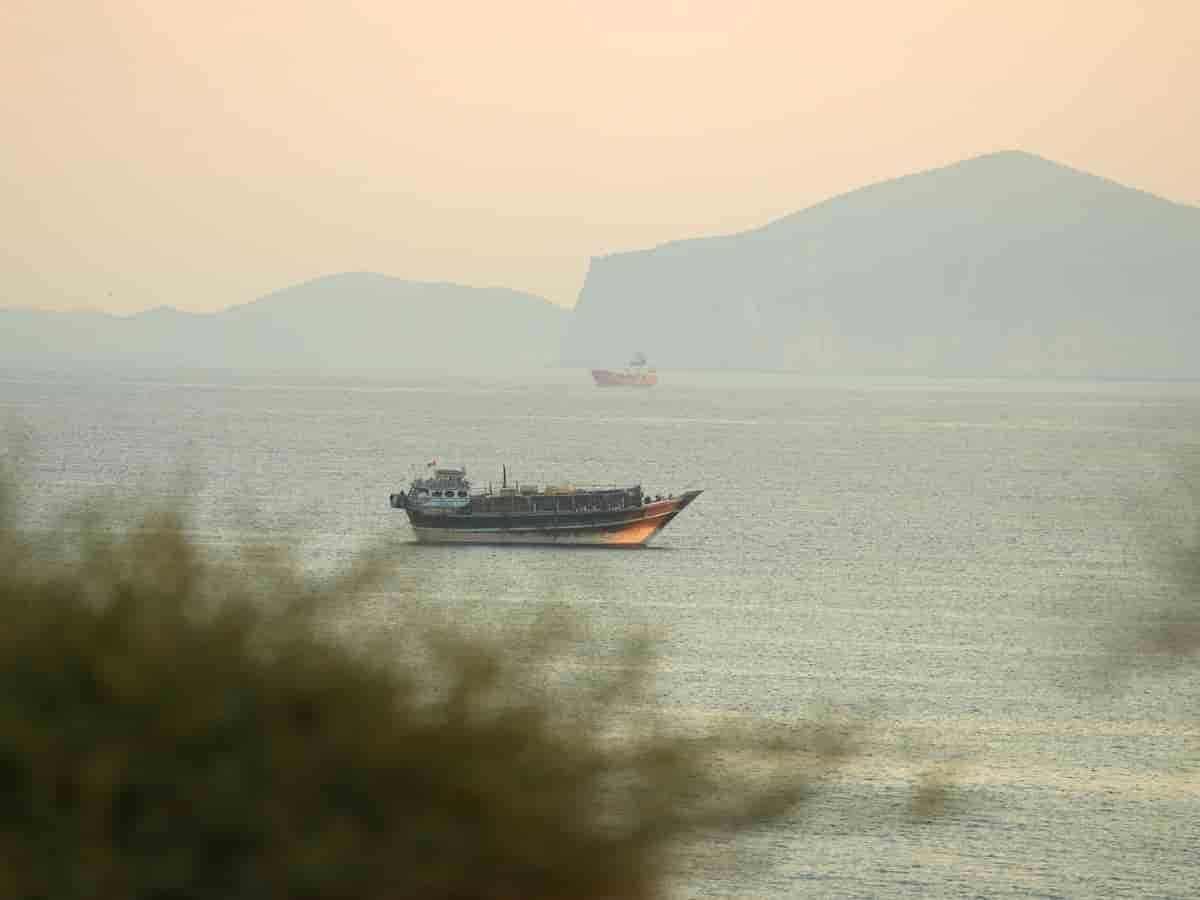
A major maritime security scare unfolded in West Asia late Monday, November 16, 2026, when a commercial liquefied petroleum gas (LPG) tanker carrying two dozen Indian crew members came under a missile strike while navigating the volatile Strait of Hormuz. Despite the severity of the projectile attack in one of the world’s busiest energy corridors, Indian maritime authorities confirmed on Tuesday morning that every single crew member on board survived without injuries. The targeted vessel, identified as the Panama-flagged tanker TARA GAS, had a total complement of 25 seafarers, out of which 24 are Indian nationals. The incident has once again put New Delhi on high alert as escalating regional hostilities increasingly threaten civilian merchant vessels and global energy supply chains.
Official Confirmation from Union Shipping Minister Sarbananda Sonowal
Relief reached the families of the crew members across India early Tuesday after Union Minister for Ports, Shipping and Waterways Sarbananda Sonowal issued an official statement confirming the safety of the mariners. Taking to the social media platform X, the Minister noted that the TARA GAS was targeted on November 16, 2026, but swift emergency protocols ensured no casualties occurred. “All 24 Indian nationals, along with the entire 25-member crew, are completely safe with no injuries,” Sonowal stated, adding that the Directorate General of Shipping and central government agencies are continuously monitoring the vessel’s status. New Delhi remains in direct, round-the-clock communication with the ship management company to coordinate ongoing security, medical checks, and safe passage arrangements for the stranded seafarers.
Maritime Advisories and Conflicting Regional Reports
While Indian authorities focused on crew welfare, international maritime agencies released technical details regarding the location and circumstances of the strike. The United Kingdom Maritime Trade Operations (UKMTO) reported an attack on a commercial tanker roughly seven nautical miles off the coast of Khasab in Oman, a strategic chokepoint bordering the Strait of Hormuz. UKMTO confirmed all crew were accounted for while advising merchant ships transiting the Gulf of Oman and Persian Gulf to exercise extreme caution, though the exact structural damage to the vessel and potential environmental impact remain under assessment. Meanwhile, statements carried by the Islamic Republic of Iran Broadcasting (IRIB) cited the Iranian Navy’s Public Relations department warning commercial operators against entering restricted maritime zones east of the strait without prior military coordination, alleging that a vessel had been transiting with its automatic identification and navigation systems switched off.
Rising Threat to Indian Seafarers in West Asia
The strike on TARA GAS is not an isolated event, marking the second attack on a commercial tanker carrying Indian sailors in the region within a single week. Just days earlier, a Saudi Arabia-flagged oil tanker with three Indian seafarers on board was targeted while passing through the same waterway, though all crew members escaped unharmed in that incident as well. Over the past several months, merchant vessels staffed by Indian mariners have repeatedly found themselves in the crossfire of broader geopolitical conflicts across the Persian Gulf and surrounding waters. Because India is one of the largest suppliers of trained maritime officers and ratings to the global shipping industry, prolonged instability in West Asia directly endangers thousands of Indian livelihoods and tests New Delhi’s diplomatic crisis-response mechanisms.
Economic Impact on India’s Energy Security and Global Trade
Beyond the immediate human cost, the repeated targeting of energy carriers in the Strait of Hormuz carries profound economic implications for India and global markets. Positioned between Oman and Iran, this narrow waterway serves as the lifeline for global petroleum trade, handling roughly 20 percent of the world’s seaborne crude oil and liquefied gas shipments. For India, the stakes are exceptionally high: the country relies heavily on imports passing through Hormuz to meet its domestic crude oil and LPG requirements. Addressing the broader crisis in New Delhi, Ministry of External Affairs (MEA) spokesperson Randhir Jaiswal reiterated India’s urgent call for de-escalation, emphasizing that ongoing hostilities have severely disrupted global flows of fuel, food, and fertilisers. Jaiswal affirmed that New Delhi is actively engaging with all regional stakeholders to demand safe, unimpeded commercial navigation and protect Indian nationals across West Asia. As shipping companies weigh higher war-risk insurance premiums and potential route diversions, Indian authorities continue to prioritize the immediate repatriation and safety of the 24 mariners aboard the TARA GAS.