North India Statesman
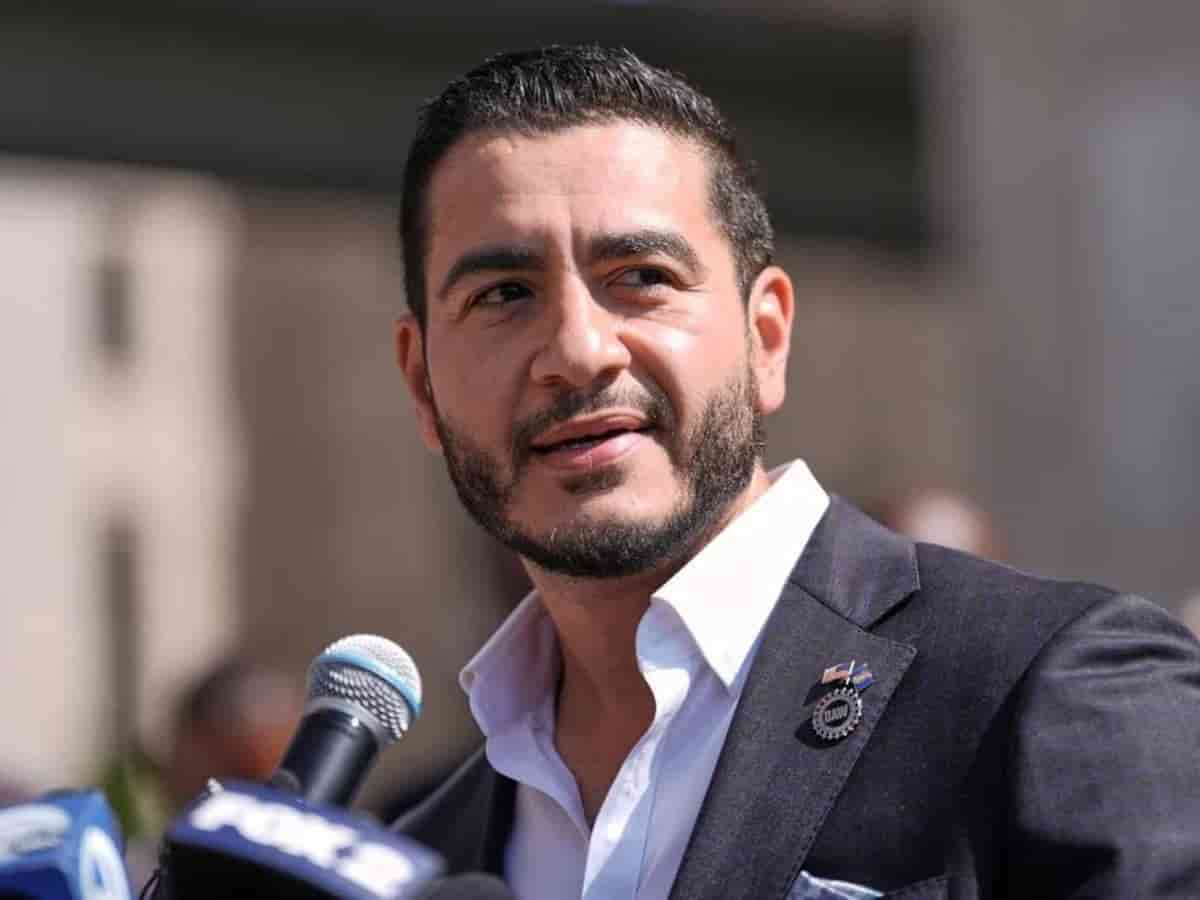
In a watershed moment in American legislative history, Democratic progressive candidate and physician Dr. Abdul El-Sayed has won the high-stakes United States Senate race in Michigan. Defeating Republican opponent and former representative Mike Rogers, El-Sayed officially becomes the first Muslim ever elected to the United States Senate. His landmark victory arrives in the face of an aggressive, targeted campaign of inflammatory rhetoric spearheaded directly by President Donald Trump, signaling a dramatic political rebuke and delivering a crucial Senate pickup for the Democratic party.
Trump Targets El-Sayed with Inflammatory Rhetoric on the Campaign Trail
The final stretch of the Michigan contest was marked by escalating vitriol from the Oval Office and GOP leadership. At high-profile campaign rallies leading into polling day, Donald Trump repeatedly launched personal attacks against the 42-year-old Egyptian-American doctor. Trump branded El-Sayed a “jihadist lunatic”, falsely tied him to extremist factions, and declared that Congress would need to “get a special metal detector for Abdul” if voters sent him to Washington. Rather than derail El-Sayed’s candidacy, the remarks energized local grassroots coalitions, galvanized Arab-American and Black communities across Wayne County and Detroit, and drew sharp national condemnation for stoking xenophobia and Islamophobia.
How Dr. Abdul El-Sayed Built a Victorious Ground Coalition
El-Sayed’s path to the upper chamber relied on a disciplined campaign focused on pocketbook issues, healthcare reform, and working-class solidarity. A Rhodes Scholar, epidemiologist, and former director of the Detroit Health Department, El-Sayed successfully synthesized progressive policy goals with mainstream economic concerns. Despite navigating internal party crosswinds following a contentious primary, El-Sayed built an expansive ground coalition. High voter turnout in heavily populated hubs—including Detroit, Ann Arbor, and Dearborn—offset Republican rural strongholds, providing El-Sayed with a solid margin over Rogers to flip the seat blue.
A Historic Milestone: Breaking Barriers in the US Senate
While the US House of Representatives has previously seen Muslim lawmakers—including Keith Ellison, Andre Carson, Rashida Tlaib, and Ilhan Omar—the 100-member Senate had never seated an Arab-American or Muslim lawmaker in its 237-year history. El-Sayed’s swearing-in on Capitol Hill marks an institutional barrier shattered. Addressing supporters at the state Democratic headquarters in Detroit early on election night, El-Sayed framed his win as a triumph of community resilience over bigotry, stating that voters decisively rejected fear and division in favor of representation and hope.
Broader Implications for Washington and the Senate Majority
El-Sayed’s victory forms part of a broader Democratic wave across key Senate battlegrounds, dealing a blow to Donald Trump’s legislative influence. With the upper chamber tipping toward opposition control, El-Sayed enters Capitol Hill positioned to hold considerable sway on key committees governing federal public health, environmental oversight, and foreign policy. His presence in the Senate not only shifts the arithmetic for executive branch confirmations and judicial nominations, but also establishes an unprecedented voice for marginalized minority communities inside the nation’s highest deliberative body.