North India Statesman
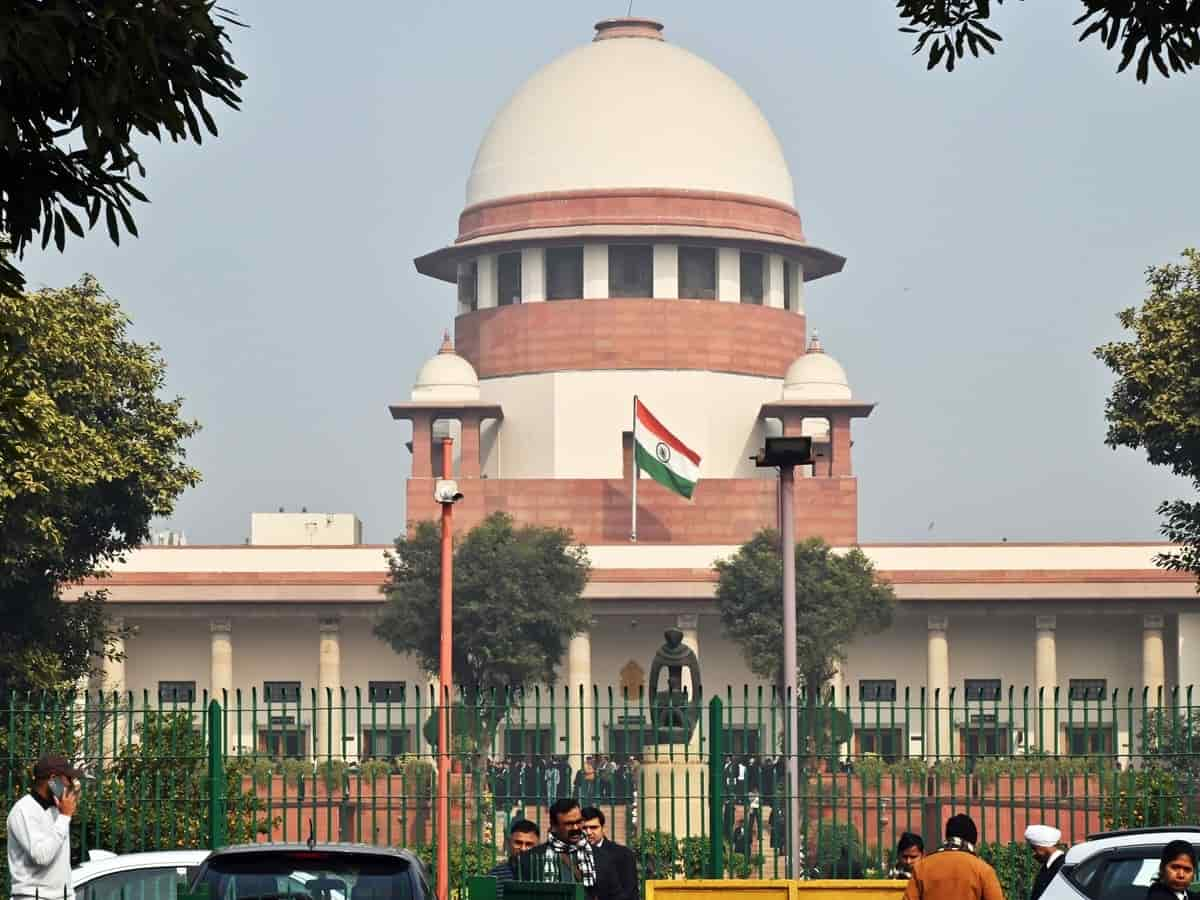
In a scathing rebuke of pharmaceutical pricing and private healthcare practices, the Supreme Court of India pulled up the central government over astronomical markups on life-saving drugs. The apex court expressed deep distress after examining a real-life instance where a private hospital billed a cancer patient ₹1.30 lakh for an injection that was procured at a dealer price of just ₹11,000. Calling the practice outright “dacoity” and demanding whether the administration could provide any justification for such exploitation, a bench comprising Justices Vikram Nath and Sandeep Mehta questioned why regulatory frameworks had failed to shield desperate citizens from predatory institutional profiteering.
The Case of the ₹11,000 Injection Billed at ₹1.30 Lakh
The controversy came to the forefront during the hearing of public interest litigations challenging the wide disparity between manufacturing or wholesale dealer costs and the maximum retail price (MRP) of non-scheduled drugs. Recounting the specific incident, the bench highlighted that the patient’s husband—who was himself an authorized pharmaceutical distributor—offered to procure the necessary chemotherapy injection directly at his wholesale dealer rate of ₹11,000. The hospital administration outright refused to administer outside medication and instead charged ₹1,30,000 on the hospital bill for the exact same dose. Asking where the staggering difference in revenue went, the judges asked the government’s counsel how any healthcare ecosystem could justify charging desperate citizens up to 10 or 20 times the baseline cost. Justice Mehta added another striking example from the healthcare supply chain, pointing out that routine saline drip lines procured for ₹15 were routinely being billed to hospitalized patients at ₹250.
Bench Slams Ineffective DPCO Framework and Defunct Watchdogs
The court voiced deep frustration over the execution of the Drugs (Prices Control) Order (DPCO), 2013, remarking that regulatory bodies like the National Pharmaceutical Pricing Authority (NPPA) appeared ineffective while private hospital networks and pharmaceutical cartels extracted massive profits. The judges noted that despite recent efforts to cap trade margins on select anti-cancer formulations at 30 percent, nearly 90 percent of medicines available in the open market remain completely outside price controls. When the Centre’s legal counsel argued that the government was constantly calibrating drug pricing to preserve private research and ensure innovation, the bench pushed back sharply. Calling the government’s calibration “too wayward,” the court challenged the industry to name even five breakthrough molecular entities indigenously developed by the Indian pharmaceutical sector over the last 30 years to justify such price gouging under the banner of R&D.
Patients Have Zero Bargaining Power During Medical Crises
A central concern raised by the bench was the complete absence of consumer leverage in critical medical emergencies. Families facing oncological diagnoses and life-threatening conditions cannot shop around or negotiate retail margins when their loved ones require immediate treatment. The court observed that leaving life-saving medicines to arbitrary market dynamics allows institutional hospitals to corner patients by refusing treatment unless medicines are bought exclusively through in-house dispensaries at full printed MRP. The bench also pointed out that inflated bills end up draining public welfare programs like Ayushman Bharat, burdening taxpayers before driving vulnerable families back into out-of-pocket medical debt. Having concluded detailed arguments on the necessity of comprehensive trade margin rationalization and transparent pricing formulas, the Supreme Court has reserved its formal verdict on the matter, signaling structural judicial guidelines ahead.