North India Statesman
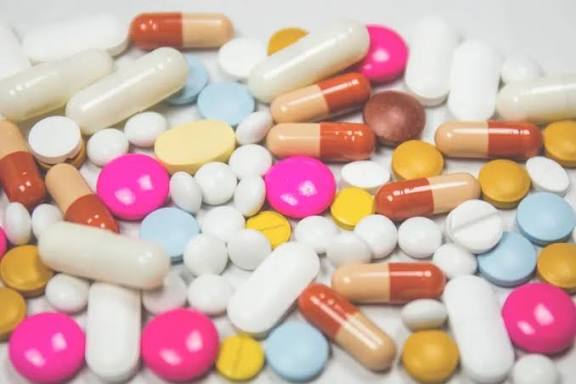
The Union Ministry of Health and Family Welfare has initiated sweeping measures to plug long-standing promotional loopholes across the country’s pharmaceutical distribution network. Under the newly proposed draft amendments, no entity can advertise potent prescription medications without prior sanction from the Central Government. While pharmaceutical manufacturers were already barred from commercial publicity of restricted formulations, commercial entities operating in retail, wholesale, and digital drug distribution often exploited gray areas in marketing practices. The new statutory provisions expand oversight across physical pharmacies and modern digital health platforms, ensuring marketing curbs cover every tier of the medical supply chain from factory gate to end-consumer counters.
Closing the Loophole: Retailers and Wholesalers Brought Under Strict Oversight
Historically, advertising bans applied primarily to drug manufacturers, leaving a critical enforcement gap at the retail and distribution level. Taking cognizance of aggressive discount campaigns, public hoardings, and digital marketing banners promoting potent prescription medicines, the Ministry has introduced sub-rule (22) under Rule 65 of the Drugs Rules, 1945. Formulated in consultation with the Drugs Technical Advisory Board (DTAB), this rule explicitly covers all holders of wholesale, retail, stocking, or distribution licenses. Moving forward, displaying promotional banners, social media campaigns, or commercial offers for scheduled medicines requires prior statutory clearance from the central drug regulator.
Target Categories: Blanket Ban on Schedules H, H1, and X Formulations
The statutory restrictions apply decisively to formulations classified under Schedule H, Schedule H1, and Schedule X. These schedules encompass high-potency antibiotics, anti-tubercular compounds, narcotic analgesics, and psychotropic substances that carry substantial risks of dependence, severe side effects, or antimicrobial resistance (AMR). Regulators noted that unregulated promotional claims—often framed as discounted bulk medicines or quick-relief remedies—encourage inappropriate self-medication among the public. By choking unauthorized promotional visibility, the health administration seeks to eliminate impulse purchases and ensure that potent pharmaceuticals are dispensed solely upon valid physical or electronic prescriptions issued by Registered Medical Practitioners.
Clamping Down on E-Pharmacies and Direct-to-Consumer Digital Ads
A primary driver behind the central government’s crackdown is the rapid proliferation of app-based pharmacies and direct-to-consumer healthtech platforms. Digital healthcare aggregators have frequently utilized aggressive push notifications, sponsored search ads, and algorithm-driven discounts to stimulate medicine sales. State drug controllers and regulatory watchdogs have repeatedly warned that commercial algorithms prioritizing prescription drug transactions compromise patient safety. Under the notified draft rules, online platforms face identical restrictions as brick-and-mortar chemist shops, prohibiting targeted digital marketing, sponsored banner slots, or unauthorized promotional broadcasts of regulated formulations across websites and mobile applications.
Public Stakeholder Consultation and Penalty Provisions
The draft rules, formally notified via the official gazette, have entered a mandatory 30-day public feedback window, allowing industry stakeholders, consumer bodies, and legal experts to submit suggestions and objections. Once formally enacted into law, non-compliance will trigger strict penal action under the Drugs and Cosmetics Act. Violating license holders risk immediate suspension or permanent cancellation of retail and wholesale operating licenses, alongside statutory fines and criminal proceedings. Medical associations and public health advocates have welcomed the regulatory intervention, noting that decoupling patient care from commercial promotional blitzes is a necessary safeguard to protect rational medicine use nationwide.