 North India Statesman
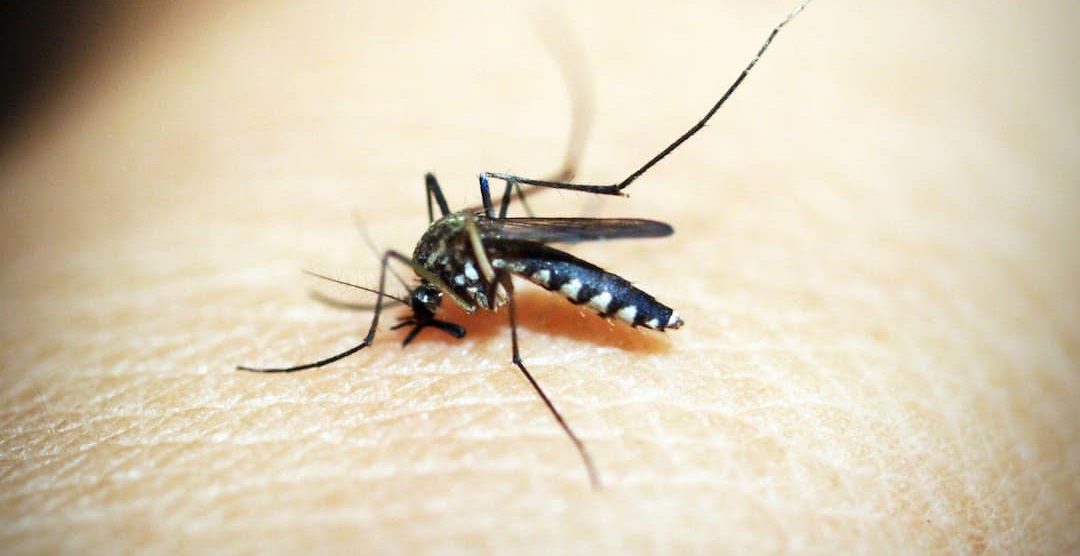
The arrival of warm summer months and monsoon showers brings a seasonal spike in mosquito-borne vector diseases across India. Among the most widespread health threats during this window is dengue fever, a viral illness characterized by debilitating high fever, intense joint pain, and characteristic red skin rashes. However, healthcare professionals caution that presenting with a rash and high body temperature does not automatically confirm dengue. Multiple viral and bacterial pathogens produce overlapping symptoms, making clinical laboratory confirmation imperative before assuming a diagnosis or initiating home care routines.
Identifying the Classic Clinical Signs of Dengue Fever
According to guidelines published by the World Health Organization (WHO), dengue virus transmission occurs through the bite of an infected female Aedes aegypti mosquito. Clinical symptoms generally surface within four to ten days post-exposure. A classic clinical presentation involves an acute, sudden-onset high fever (often touching 104°F or 40°C), accompanied by severe frontal headaches, acute pain behind the eyes (retro-orbital pain), generalized bone and muscle aches, loss of appetite, nausea, and frequent vomiting episodes. While the vast majority of infected individuals experience a self-limiting illness and recover fully within one to two weeks, a fraction of patients progress toward life-threatening vascular complications.
Red Rashes and Flushed Skin: How to Decode the Visual Clues
The appearance of a macular or petechial rash is a well-documented hallmark of dengue infection, but it can easily be confused with other illnesses such as chikungunya, measles, rubella, scrub typhus, or allergic drug reactions. In dengue, skin manifestations typically present in stages—starting as generalized facial and torso flushing during the initial febrile period, followed by a measles-like, blotchy rash across the limbs and chest as the illness peaks. Pinpoint red spots under the skin, known as petechiae, occur due to capillary bleeding and do not blanch or turn pale when pressed. Because visual symptoms alone can be deceptive, physicians advise undergoing a rapid Complete Blood Count (CBC) alongside a Dengue NS1 antigen test or IgM antibody panel to definitively isolate the pathogen.
The Dangerous Critical Phase: Why a Falling Fever Demands Heightened Vigilance
A common and potentially dangerous misconception among patients is believing that when the high fever drops, full recovery has begun. Global public health bodies, including the WHO, emphasize that the most hazardous window—the critical phase—frequently begins precisely as the fever breaks, typically between day 3 and day 7 of the illness. During this period, increased capillary permeability can lead to plasma leakage from blood vessels, precipitating severe dengue or dengue shock syndrome.
Patients and caregivers must remain alert for red-flag warning signs that require emergency hospitalization:
-
Persistent, severe abdominal pain or abdominal tenderness
-
Continuous vomiting or inability to keep liquids down
-
Spontaneous mucosal bleeding from the gums or nose
-
Traces of blood in vomit or dark, tarry stools
-
Extreme fatigue, restlessness, or mental disorientation
-
Rapid, shallow breathing and persistently cold, clammy, or pale extremities
Safe Management Protocol: Hydration, Rest, and Painkiller Warnings
Because no specific direct-acting antiviral drug exists for dengue, medical management revolves entirely around symptomatic supportive care and maintaining fluid balance. Physicians emphasize absolute physical rest and vigorous oral hydration through oral rehydration solutions (ORS), coconut water, clear broths, and fresh lemon water to prevent vascular collapse.
For temperature control and body aches, medical guidelines strictly recommend using paracetamol under doctor guidance. Over-the-counter non-steroidal anti-inflammatory drugs (NSAIDs)—including ibuprofen, aspirin, naproxen, and diclofenac—are strictly prohibited. These drugs inhibit platelet aggregation and irritate the gastric lining, drastically escalating the risk of severe internal hemorrhaging if platelet counts are already compromised by dengue.
Eliminating Day-Biting Mosquitoes: Essential Preventive Measures
Vector containment remains the first line of defense against seasonal outbreaks. Unlike malaria-carrying mosquitoes that feed primarily at night, the Aedes mosquito feeds aggressively during daylight hours—peaking around dawn and dusk. Relying exclusively on bedside mosquito nets at night does not offer adequate protection. Households must eliminate stagnant water accumulation in flower pots, cooling trays, discarded tires, and open roof containers where larvae thrive. Wearing full-length, light-colored clothing and applying approved mosquito repellents on exposed skin drastically curtails infection risk. Furthermore, individuals recovering from dengue must be shielded under mosquito nets during their febrile period to break the transmission chain, preventing local mosquitoes from acquiring the virus and infecting other family members.


