North India Statesman
In a powerful demonstration of expanding political influence and grassroots mobilization, Indian-American candidates have notched resounding victories in the US midterm elections. Spanning pivotal federal battlegrounds in the US House of Representatives to high-ranking state executive offices and legislative assemblies, Indian-origin leaders delivered standout performances across the nation.
From seasoned incumbents cementing their leadership in Capitol Hill’s “Samosa Caucus” to fresh trailblazers breaking new ground, the electoral scorecard reflects a defining chapter for the Indian diaspora in American governance.
Full List of Indian-American Winners in the US Elections
The following candidates have secured decisive victories across federal, statewide, and local ballots:
-
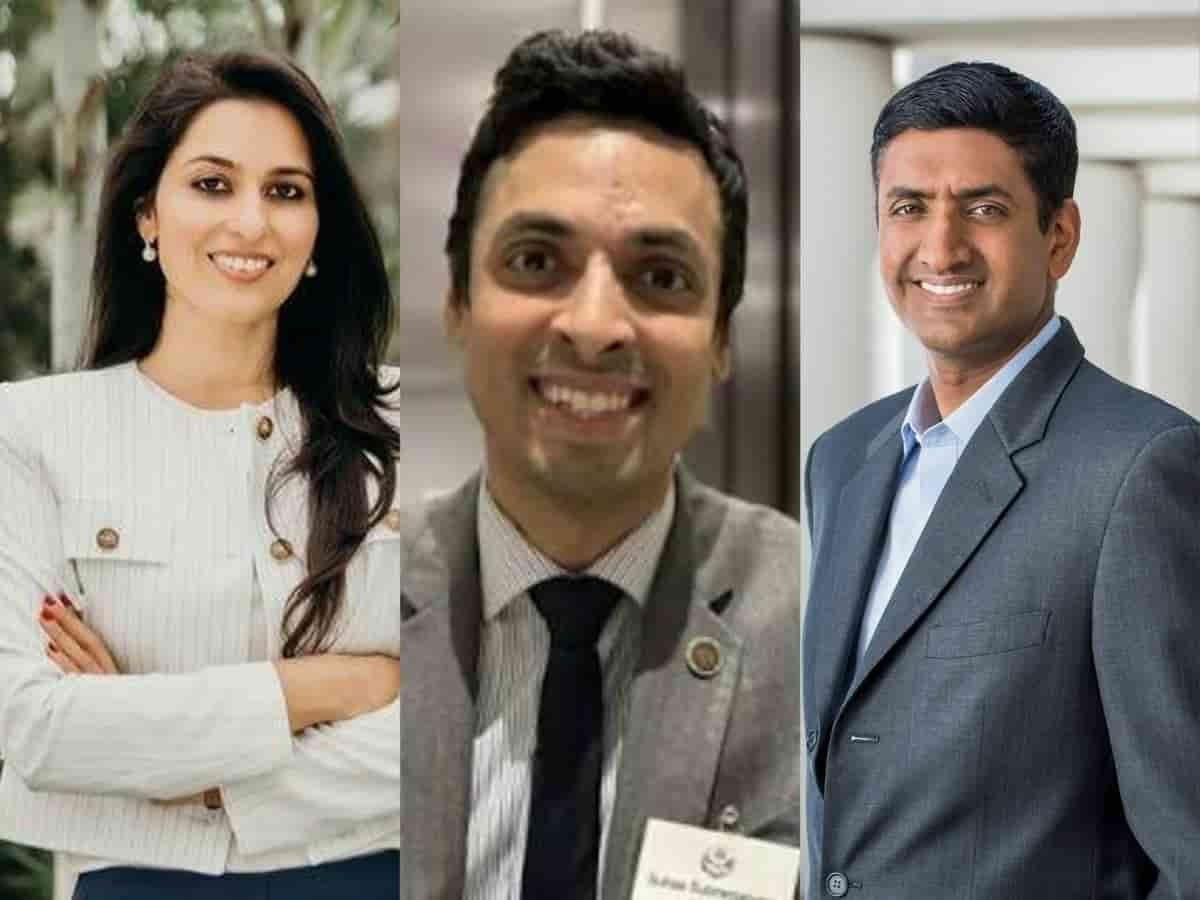
Suhas Subramanyam (Democrat – US House of Representatives, Virginia 10th District): Won a dominant re-election in Virginia, securing over 63% of the vote against Republican Dave Beckwith to consolidate his seat on Capitol Hill.
-
Pia Dandiya (Democrat – US House of Representatives, Florida 22nd District): Clinched a historic open-seat victory in Florida, defeating Republican Casey Askar to become one of the newest Indian-American voices entering the US Congress.
-
Ro Khanna (Democrat – US House of Representatives, California 17th District): Successfully defended his Silicon Valley bastion with an overwhelming margin, returning to Congress as a prominent national voice on technology, industrial renewal, and progressive economics.
-
Pramila Jayapal (Democrat – US House of Representatives, Washington 7th District): Secured re-election with a sweeping mandate in Seattle, continuing her influential tenure as a senior progressive caucus leader.
-
Ami Bera (Democrat – US House of Representatives, California): The longest-serving Indian-American member of Congress retained his seat, extending his veteran leadership role in foreign affairs and national health policy.
-
Aruna Miller (Democrat – Lieutenant Governor, Maryland): Re-elected alongside Governor Wes Moore, ensuring Indian-American representation stays entrenched at the executive summit of Maryland’s state government.
-
Josh Kaul (Democrat – Attorney General, Wisconsin): Won a historic third term as Wisconsin’s Attorney General, serving as the state’s chief law enforcement officer and legal protector.
-
Aparna Raj (Democrat – Washington, D.C. City Council, Ward 1): Scored a breakthrough local victory to capture the Ward 1 council seat in the US capital.
-
Jyot Singh (Democrat – Georgia State House of Representatives, District 97): Won a fiercely contested state legislative seat in Georgia, defeating Republican challenger Yassin Moghazy.
High-Profile Upsets and Emerging Contests
While Democratic candidates swept key federal and legislative races, high-profile Republican bids faced steep headwinds. Trump-backed entrepreneur Vivek Ramaswamy fell short in the marquee Ohio gubernatorial showdown against Democrat Amy Acton, while former federal prosecutor Saritha Komatireddy was defeated by incumbent Letitia James in the New York Attorney General contest. Meanwhile, razor-thin counts remain underway in closely watched swing races, including Dr. Amish Shah’s congressional battle in Arizona and municipal ballots in California and Texas.
Growing Political Muscle of the Indian Diaspora
The decisive sweep across multiple states demonstrates how Indian-Americans are no longer just an affluent fundraising constituency, but a pivotal electoral bloc capable of swinging suburban corridors and winning competitive general elections. Representing less than two percent of the total US population, Indian-origin candidates have achieved outsized representation across law, finance, public health, and federal policy. With newly elected lawmakers joining entrenched leaders in Washington and state capitals, the community’s policy footprint is poised to shape legislative battles over healthcare, economic equity, technology regulation, and US-India bilateral ties for years to come.