North India Statesman
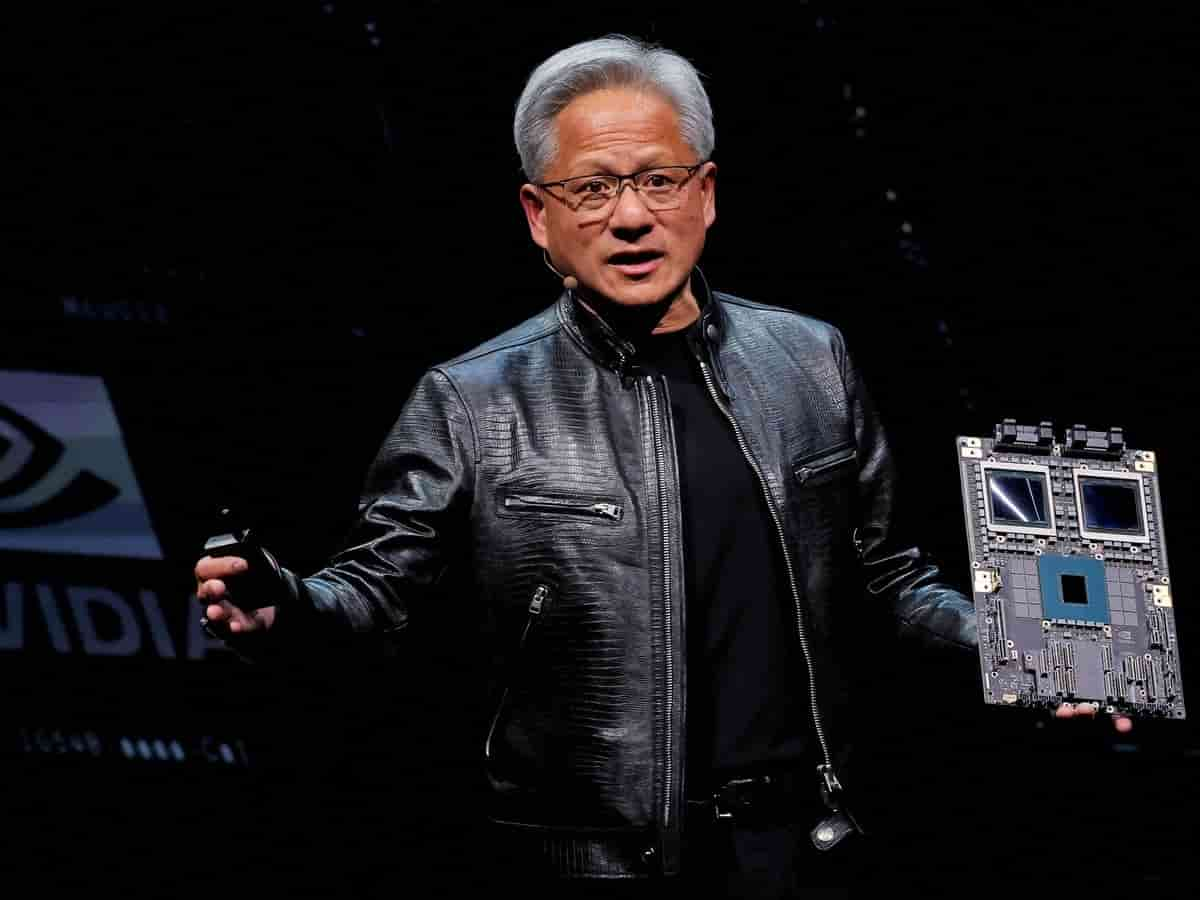
In one of Silicon Valley’s fastest and most dramatic leadership reversals, Nvidia co-founder Jensen Huang is back at the helm of the world’s premier artificial intelligence chipmaker. Just 11 days after stepping down amid an explosive personal and national security controversy, Nvidia’s Board of Directors formally reinstated Huang on Monday, November 23, 2026, restoring him immediately to three top positions: President, Chief Executive Officer, and Board Director. The sudden U-turn—reminiscent of Sam Altman’s whirlwind 2023 return to OpenAI—sent shockwaves of relief across global financial markets, driving Nvidia shares up by more than 25 to 33 percent in early trading. For technology investors, AI developers, and business readers across India—from Bengaluru, Hyderabad, and Mumbai to New Delhi, Lucknow, and Unnao—Huang’s return raises a compelling question: have his past controversies been forgiven, or is the global AI ecosystem simply too dependent on his leadership to let him go?
Why Did Jensen Huang Resign From Nvidia 11 Days Ago?
To understand the magnitude of Monday’s reinstatement, one has to look back at the crisis that engulfed Nvidia earlier this month. On November 12, 2026, Huang abruptly resigned from the company he co-founded in 1993 following damaging disclosures regarding his personal life. Media reports and an internal probe brought to light extramarital relationships, including an affair with a businesswoman suspected by United States intelligence authorities of having links to Chinese espionage—an allegation Beijing has denied—alongside reported relationships involving company personnel. The scandal wiped out hundreds of billions of dollars in Nvidia’s market capitalisation and erased over $23 billion from Huang’s personal net worth within days. At the time, Nvidia appointed Chief Financial Officer Colette Kress as interim CEO and named veteran board member Harvey C. Jones as the company’s first-ever Chair of the Board.
What Prompted the Nvidia Board to Bring Jensen Huang Back?
The turnaround inside Nvidia’s boardroom did not happen in a vacuum; it followed intense pressure from Wall Street, Silicon Valley heavyweights, and Washington. Within days of Huang’s exit, an online petition demanding his reinstatement gathered more than 180,000 signatures, backed publicly by tech leaders including Elon Musk, who noted that many critical AI infrastructure partnerships relied on a personal handshake with Huang rather than mere paperwork. Even US President Donald Trump weighed in publicly, calling Huang a brilliant leader and defending him ahead of upcoming diplomatic engagements. In its official statement on November 23, Nvidia’s board explained that extensive discussions with Huang left directors satisfied with both his candour and his capacity to lead. Crucially, the board cited fresh input from senior US government officials indicating that Huang’s return posed no national security risk, giving directors the green light to restore his executive authority.
What Changes in Nvidia’s Governance Structure Now?
While Jensen Huang has reclaimed his three core titles—President, CEO, and Board Director—he is not returning to an unchecked corporate structure. Under the revised governance framework, Harvey C. Jones will continue serving as an independent Chair of the Board rather than allowing Huang to hold the combined chairman-CEO role, while Colette Kress transitions back to her full-time duties as Executive Vice President and CFO. Furthermore, the board has established a dedicated National Security and Export Control Oversight Committee to monitor compliance. Even though Huang’s executive powers are restored, external inquiries by the US Securities and Exchange Commission (SEC) and the Department of Justice (DOJ), alongside the board’s independent compliance review, remain active.
What Huang’s Comeback Means for the Global AI Industry
Wall Street’s euphoric reaction underscores how tightly Nvidia’s $4-trillion-plus valuation and the broader AI supply chain are tied to Jensen Huang’s personal vision. From hyperscale data centres in North America to enterprise AI deployments in India, cloud providers and chipmakers rely on Nvidia’s architectural roadmap and execution speed. While critics question whether corporate governance standards were bent in the name of commercial indispensability, investors have delivered their verdict: in the high-stakes race for artificial intelligence dominance, Nvidia’s board decided it simply could not afford to move forward without its founder.