North India Statesman
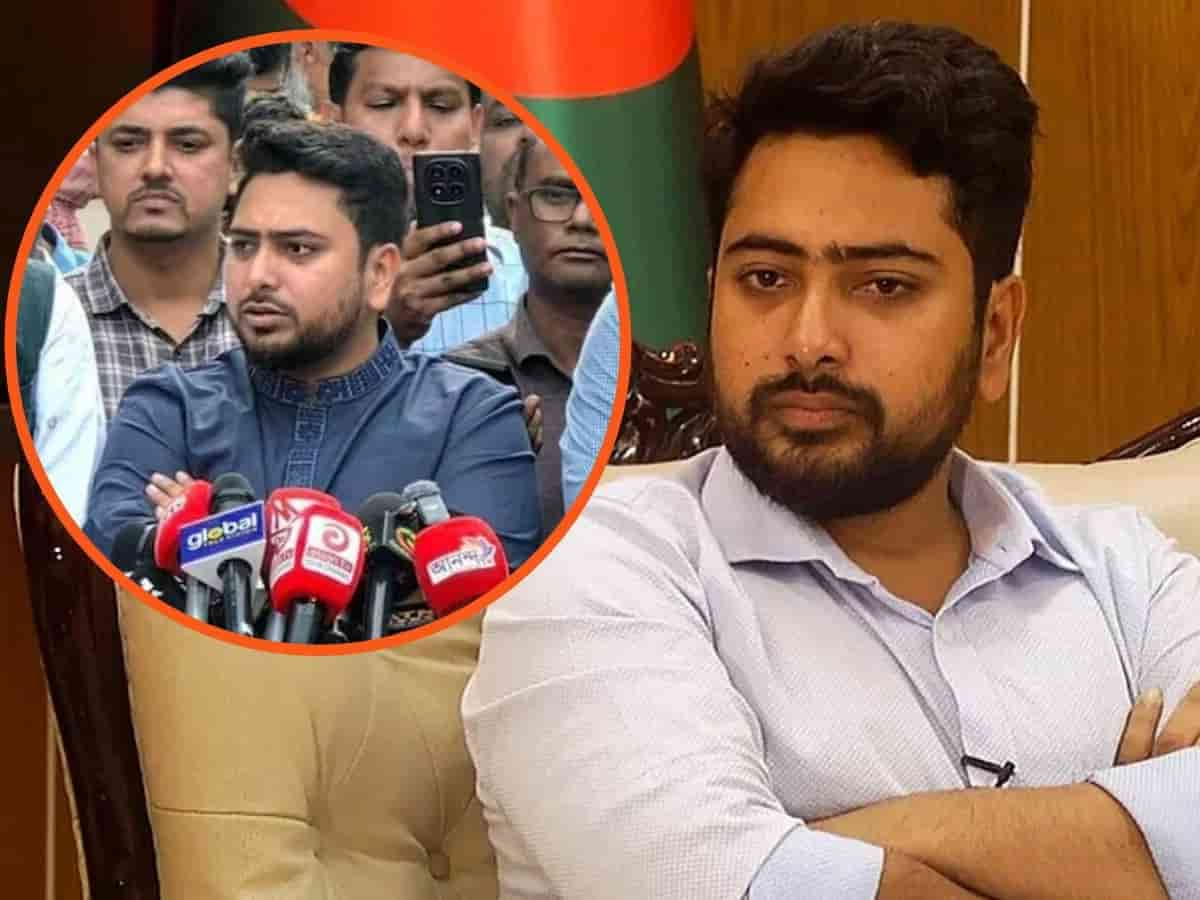
Bangladeshi politician and Member of Parliament Nahid Islam has once again sparked diplomatic controversy across South Asia after launching a sharp verbal attack against New Delhi immediately following a high-level meeting with Prime Minister Tarique Rahman. Emerging from talks at the Secretariat in Dhaka on Monday, November 23, 2026, the 28-year-old Opposition Chief Whip accused India of orchestrating instability inside Bangladesh and urged rival political parties to forge a united front against what he termed “Indian hegemony”. For strategic observers and readers across India—from New Delhi, Kolkata, and Lucknow to Unnao and across Uttar Pradesh—his remarks carry significant weight as they arrive just weeks before the historic 1996 Ganga Water Sharing Treaty expires on December 12, 2026, and amid escalating political tension over ousted former Prime Minister Sheikh Hasina’s pledged return.
From Dhaka University Activist to Opposition Chief Whip
To understand why Nahid Islam’s rhetoric commands attention in Dhaka’s political corridors, it helps to trace his rapid rise over the past two years. Born in Dhaka on April 28, 1998, Nahid studied sociology at the University of Dhaka, where his academic thesis examined the trajectory of student movements in Bangladesh. During the summer of 2024, he emerged as the central coordinator of the Students Against Discrimination movement, spearheading the mass protests that forced long-serving Prime Minister Sheikh Hasina to resign and seek shelter in India on August 5, 2024. Following the political upheaval, Nahid joined Nobel laureate Muhammad Yunus’s interim administration as Adviser for Information and Broadcasting as well as Posts, Telecommunications, and Information Technology. In February 2025, he stepped down from the interim cabinet to launch the National Citizen Party (NCP), subsequently winning the Dhaka-11 parliamentary seat in the February 2026 general elections. Today, he serves both as NCP Convener and Opposition Chief Whip in Bangladesh’s 13th Parliament, leading an opposition bloc alongside Jamaat-e-Islami against Tarique Rahman’s ruling Bangladesh Nationalist Party (BNP).
What Did Nahid Islam Say Against India After Meeting PM Tarique Rahman?
Speaking to reporters after a four-member NCP delegation met Prime Minister Tarique Rahman at the PM’s invitation, Nahid framed India as the primary adversary confronting Bangladesh’s current political order. Claiming that his movement had already defeated the Awami League in August 2024, he alleged that New Delhi was sheltering a “murderer” and allowing its territory to be used to destabilise Bangladesh. Going further, he asserted that India was directly involved in recent unrest across Bangladesh and accused New Delhi of running a global misinformation campaign regarding the treatment of religious minorities. In an attempt to deflect criticism over attacks on minorities in Bangladesh, Nahid claimed that minorities face worse persecution in India while urging the Dhaka government to engage Hindu leaders, cultural groups, and religious scholars domestically to project national unity.
His Key Demands to PM Tarique Rahman on Ganga Waters and Sheikh Hasina
Beyond his anti-India rhetoric, Nahid Islam used the Secretariat meeting to press Prime Minister Tarique Rahman on two major bilateral issues. First, he demanded that Dhaka adopt an uncompromising stance during negotiations for renewing the 30-year Ganga Water Sharing Treaty, which lapses on December 12, 2026, insisting that Bangladesh secure its full share of river water. Second, he urged the BNP-led government to expedite diplomatic and legal efforts to bring Sheikh Hasina back from India so that domestic court verdicts against her can be enforced, alongside seeking the return of suspects linked to the killing of activist Sharif Osman Hadi. He also called for a long-term national unity roadmap, a shared foreign policy framework, and full implementation of the July Charter through an all-party Constitutional Reform Council.
A Pattern of Escalating Anti-India Rhetoric
Monday’s remarks follow a consistent pattern of provocative statements from the NCP chief in recent weeks. On October 25, 2026, Nahid accused the ruling BNP government of striking a “secret deal” with India while blaming New Delhi for unrest in the Chittagong Hill Tracts and border incidents. Days later, on October 30, he alleged foreign conspiracies at a public rally, and on November 1, he coined the slogan “No water, no transit,” threatening to block Indian cargo transit routes through Bangladesh unless river-water demands were met. Meanwhile, New Delhi has maintained a measured diplomatic posture, confirming receipt of Dhaka’s extradition requests for Sheikh Hasina and stating that the matter is being examined strictly under applicable laws and established procedures. As December approaches—bringing both the Ganga treaty deadline and heightened political mobilisation in Dhaka—analysts view Nahid’s sharp anti-India pitch as an effort to pressure the Tarique Rahman government while rallying domestic nationalist sentiment.