North India Statesman
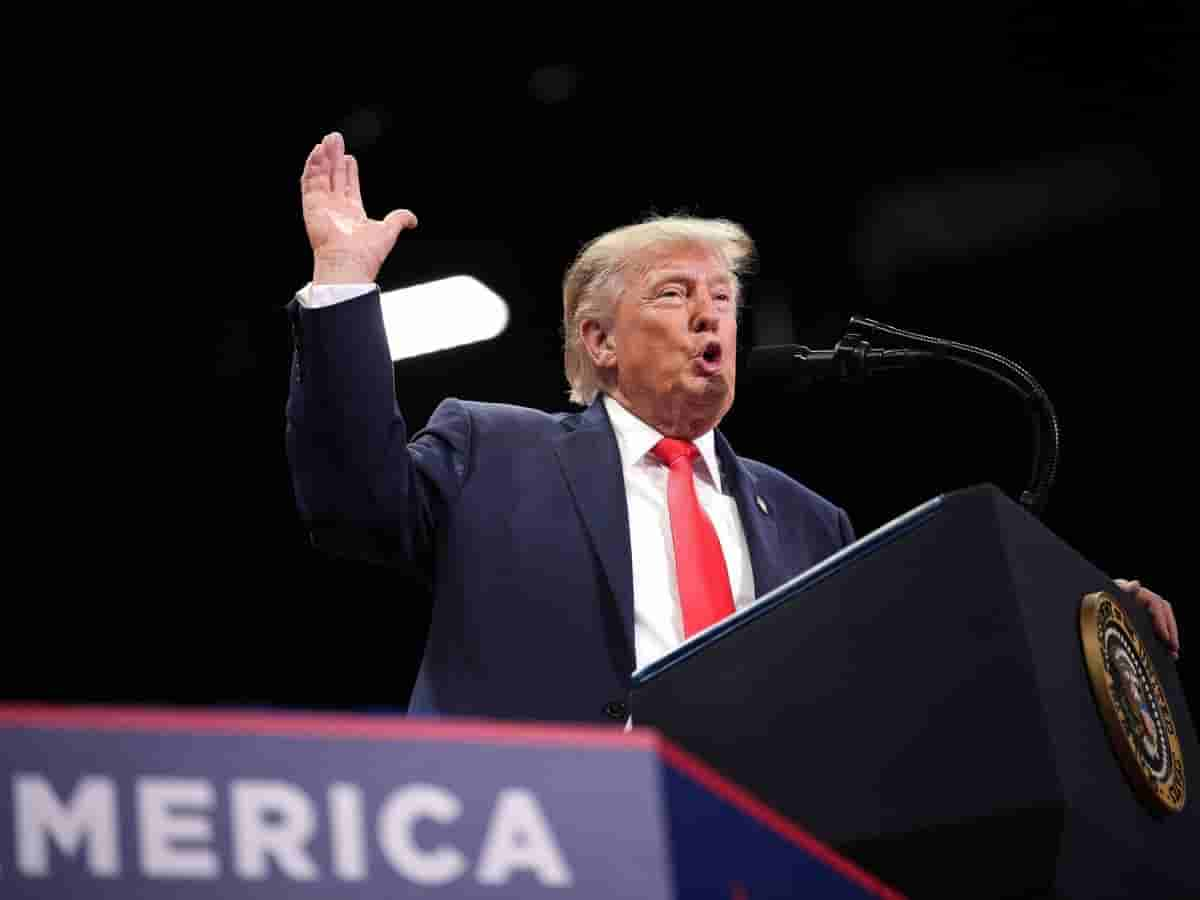
With the United States heading into high-stakes midterm elections on November 3, 2026, the intersection of domestic political vulnerability and foreign policy has created a volatile geopolitical situation. A major report by Axios and regional intelligence briefings indicate that if the Republican Party suffers a decisive defeat at the ballot box, President Donald Trump may be significantly more inclined to authorize a massive, decisive military strike against Iran. According to high-ranking US and regional officials, an electoral setback that strips Republicans of congressional leverage could alter the President’s political calculus, shifting focus away from domestic constraints toward a high-impact military demonstration in the Persian Gulf. As marathon diplomatic efforts mediated by Qatar, Türkiye, and Egypt race against the electoral clock, defense departments across the Middle East are bracing for a potential military escalation that could unfold within hours of the polls closing.
The “Lame-Duck” Aggression Theory: What the Leaked Reports Allege
The central premise of the intelligence assessment centers on the psychological and tactical calculations inside the West Wing. Speaking on condition of anonymity, a senior US official noted that if Trump feels politically boxed in, embarrassed, or disenfranchised by voters rejecting his legislative agenda, his instinct will be to execute something bold on the global stage. “If he feels embarrassed or disenfranchised, he will do something bold. That’s what everyone is telling the Iranians. Their best shot to get a deal is right now,” the official remarked, underscoring the urgent message conveyed to Tehran’s leadership. The assessment suggests that a post-election window—before a newly elected, potentially Democrat-controlled Congress convenes in January—would provide the administration with an unencumbered runway to pursue long-delayed strategic strikes against Iranian critical infrastructure and command hubs without immediate legislative interference.
Gulf Allies on Alert: Pre-Briefings for a Fast-Moving Military Blitz
The reporting extends beyond theoretical analysis into operational coordination. According to senior Gulf Arab defense officials, the Trump administration has already conducted preliminary briefings advising key regional allies to prepare for a short, intense round of kinetic strikes that could be executed as early as November 4—the morning immediately following Election Day. Over recent months, the Pentagon has steadily accumulated military assets across the US Central Command (CENTCOM) theater, including an additional aircraft carrier strike group, advanced F-35C Lightning II combat squadrons, and approximately 10,000 supplemental personnel deployed to regional bases. While White House spokespersons maintain that foreign policy directives on Iran remain entirely independent of domestic electoral outcomes, the military footprint assembled across regional choke points demonstrates that operational assets are primed for immediate deployment.
The Domestic Driver: Gas Prices, Economic Backlash, and Restraint Fatigue
The buildup toward this potential escalation is rooted in months of simmering conflict that has severely complicated the domestic political landscape. The prolonged military standoff with Iran has intermittently disrupted oil tanker traffic near the vital Strait of Hormuz, driving global energy indices upward and sending US gasoline prices climbing past $4 per gallon. In public rallies across Florida and competitive swing districts, Trump has frequently defended the conflict, insisting that temporary spikes in domestic fuel costs are a small price to pay to neutralize Iranian nuclear ambitions and avert theoretical missile threats against major Western cities. However, voter weariness with Middle Eastern engagements has increasingly weighed down Republican campaign messaging, with nationwide surveys indicating that over half the American electorate views the expanding war effort as economically draining and counterproductive. Consequently, while pre-election calculations demanded a degree of operational restraint to avoid an immediate oil shock at the ballot box, those constraints largely dissolve once votes are cast.
The Tehran Scramble: Marathon Qatari Talks and the Race for Sanctions Relief
Recognizing the unpredictable nature of an unconstrained post-election administration, regional intermediaries have launched a frenetic diplomatic counter-offensive. Qatari mediators spent over twelve hours in continuous negotiations inside Tehran, remaining in constant communication with the White House in an urgent bid to restart direct bilateral dialogues before the polls close. Delegations from Saudi Arabia, Egypt, Türkiye, and Pakistan have similarly conveyed urgent warnings to Iranian officials, advising them that their window to secure a sustainable diplomatic understanding—including sanction relief in exchange for renewed international inspections at targeted nuclear facilities—narrows drastically after November 3. While Trump remarked on Friday that discussions remain “productive” and that Iran “wants to talk,” his public statements simultaneously carry pointed warnings that post-election patience will not last indefinitely.
Global Repercussions: The Threat of an Unchecked Regional Conflagration
If diplomatic efforts fall short and post-election results catalyze an offensive strike, the geopolitical fallout will ripple far beyond Washington and Tehran. An expanded military campaign runs a severe risk of triggering retaliatory missile salvos from Iran, potentially targeting regional energy refineries, maritime commercial shipping, and US military installations across the Gulf. Energy analysts warn that an uncontained escalation could push global crude oil past $120 per barrel, triggering fresh inflationary headwinds for oil-importing economies worldwide, including India and Europe. As the American electorate prepares to deliver its verdict on November 3, the entire Middle East remains on edge, watching whether the democratic process in Washington defuses a simmering conflict or acts as the catalyst for its most dangerous phase.