North India Statesman
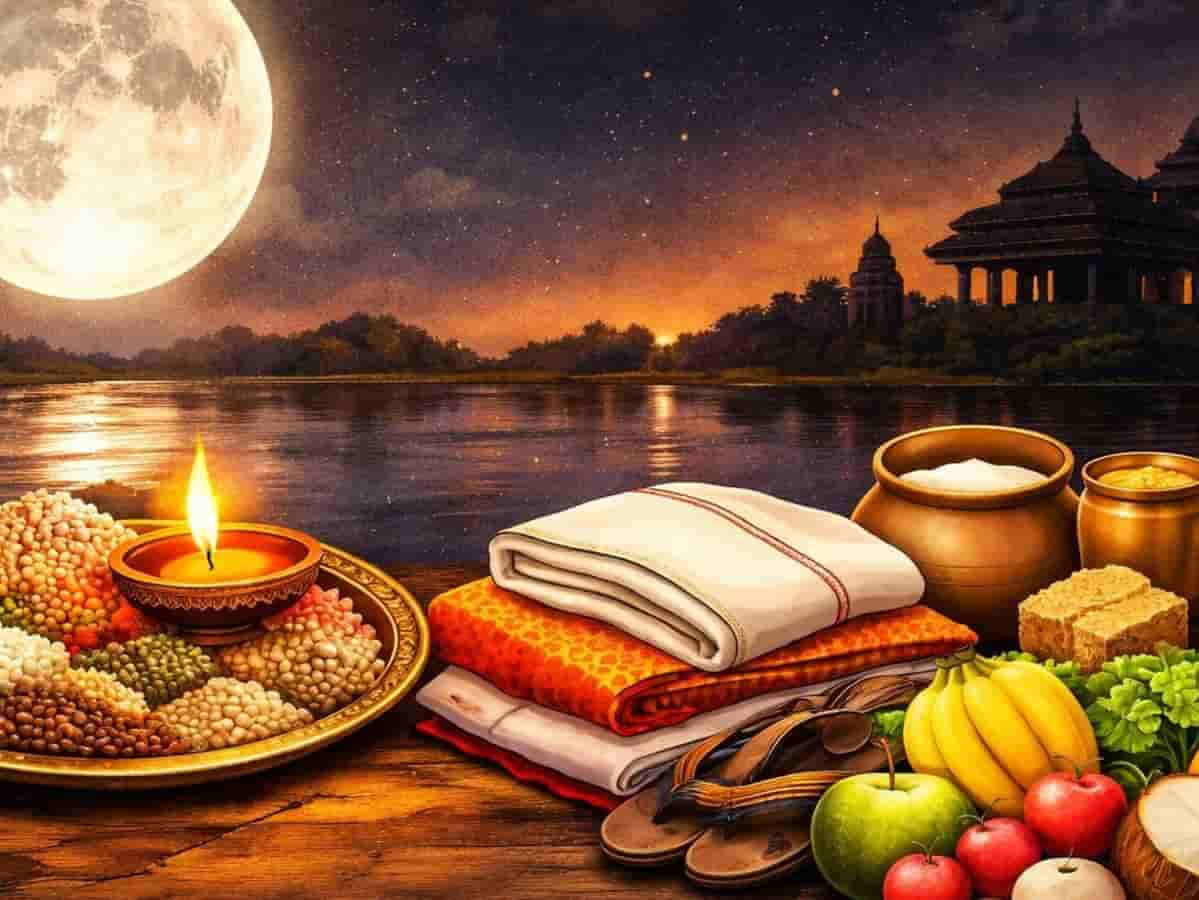
Sarva Pitru Amavasya—also widely revered as Mahalaya Amavasya or Pitru Moksha Amavasya—marks the sacred culmination of the 16-day Pitru Paksha period. In 2026, this highly revered day falls on Saturday, October 10, observed on the Udaya Tithi of Ashwin Krishna Amavasya. It provides the ultimate spiritual opportunity to honor and bid respectful farewell to all departed ancestors, particularly those whose exact date of passing is forgotten or missed during earlier lunar tithis. Adding profound spiritual weight to the day, celestial alignments form the highly auspicious Gajchhaya Yoga, a planetary configuration considered exceptionally fruitful for clearing generational Pitru Dosha.
The Spiritual Significance of Gajchhaya Yoga
In Vedic astrology, Gajchhaya Yoga occurs during the twilight of Pitru Paksha when specific celestial combinations align the Sun, Moon, and prominent nakshatras like Hasta. Performing Shradh, Tarpan, or charitable donations under this planetary influence is described in sacred scriptures as equivalent to conducting rites at pilgrimage centers like Gaya. It is believed that offerings made during Gajchhaya Yoga yield long-lasting contentment for ancestral souls, bringing health, lineage continuity, and peace into family households.
3 Essential Steps to Bid Farewell to Ancestors on Sarva Pitru Amavasya
To ensure ancestral rites are performed accurately, families follow a structured three-step ritual pathway during the auspicious midday hours:
-
Perform Tarpan with Water, Kusha Grass, and Black Sesame: Begin during the designated Kutup or Rohina muhurat (typically between 11:35 AM and 1:20 PM). Facing the south direction, offer water mixed with raw milk, barley, and black sesame seeds (kale til) through the fingertips using sacred Kusha grass, chanting prayers of remembrance to invoke peace for both maternal and paternal lineages.
-
Execute Panchbali Bhog (Five Essential Offerings): Before human consumption or serving priests, separate portions of Satvik food on five leaves or clean surfaces to fulfill the Panchbali duty. These mandatory offerings are presented to the cow (Gau Bali), dog (Shwan Bali), crow (Kaak Bali), insects/ants (Keetadi Bali), and the gods (Deva Bali), acknowledging the interconnected debt to all living beings.
-
Offer Brahmin Bhojan and Pure Charity (Daan): Conclude the farewell rites by respectfully serving a nutritious, Satvik meal to a Brahmin or pious individual. Following the meal, offer donations according to your capacity—including grains, dark umbrellas, warm garments, footwear, and financial dakshina—seeking forgiveness for any unintentional omissions and praying for ancestral protection.
Evening Deepdaan: Lighting the Path for Departed Souls
The final farewell culminates at sunset on October 10. Families light a mustard oil diya (lamp) beneath a Peepal tree, beside a nearby water body, or facing the south doorway of the house. This ceremonial Deepdaan symbolizes illuminating the spiritual pathway as ancestral souls return to the Pitru Loka, leaving their descendants showered with health, harmony, and lasting blessings.