North India Statesman
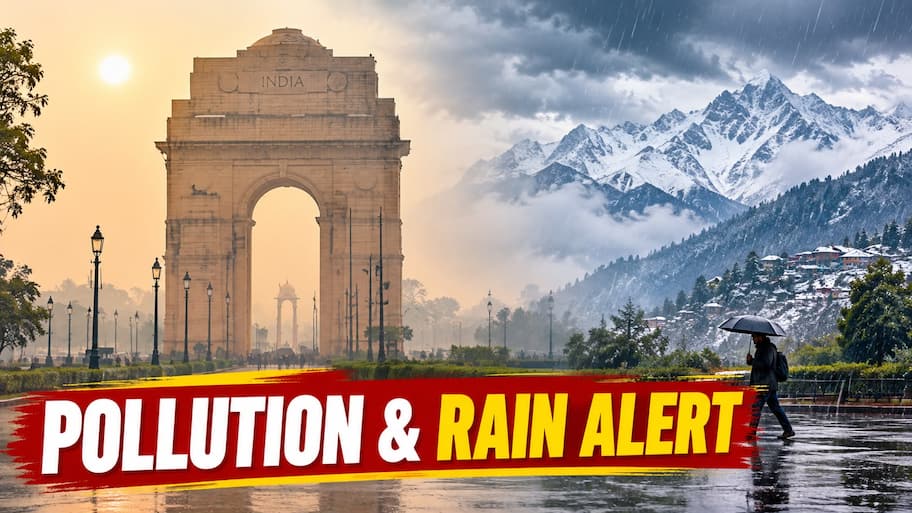
A thick blanket of grey smog descended across Delhi and the surrounding National Capital Region (NCR), marking the seasonal onset of severe atmospheric pollution as the regional Air Quality Index (AQI) surged to 245, breaching the official “poor” threshold. The deterioration comes amid shifting seasonal weather patterns, dipping nighttime temperatures, and falling surface wind speeds that have created an inversion layer, trapping particulate matter (PM2.5 and PM10) close to the ground. Monitoring stations managed by the Central Pollution Control Board (CPCB) reported sharp spikes across key urban corridors—including Anand Vihar, Punjabi Bagh, Dwarka, Noida, and Ghaziabad—raising fresh respiratory health concerns for residents, children, and the elderly.
CAQM Imposes GRAP-1 Across Delhi, UP, Haryana, and Rajasthan
Confronted with worsening air readings and meteorological forecasts indicating sluggish atmospheric dispersion, the Commission for Air Quality Management (CAQM) issued an immediate order enforcing Stage 1 of the Graded Response Action Plan (GRAP) across Delhi and adjoining districts of Haryana, Uttar Pradesh, and Rajasthan. GRAP-1 represents the mandatory statutory emergency protocol triggered whenever the regional AQI settles within the 201–300 band. State pollution control boards and municipal bodies have been directed to activate 24/7 flying squads, intensify on-ground surveillance, and enforce stringent penal action against non-compliant commercial, construction, and municipal entities.
Crackdown on Dust, Waste Burning, and Diesel Gensets
Under the newly activated GRAP-1 framework, strict civic and commercial operational restrictions take effect immediately across the capital territory. Municipal corporations must conduct mechanized road sweeping, ramp up continuous water sprinkling, and deploy specialized anti-smog guns along high-traffic corridors and known pollution hotspots. All construction and demolition (C&D) sites spanning 500 square meters or more must strictly adhere to statutory dust-suppression guidelines, including covering raw materials and wrapping project structures in protective green netting. The directive mandates an uncompromising ban on the open burning of solid municipal waste, biomass, and dry leaves, alongside strict operational restrictions on diesel generator sets, which are now barred except for defined emergency services and healthcare infrastructure.
Curbs on Polluting Vehicles and Mandatory Citizen Protocols
Vehicular emissions, a principal contributor to urban particulate concentration, face tighter scrutiny under Stage 1 enforcement. Traffic enforcement personnel have launched targeted inspection drives to penalize visibly polluting vehicles, enforce updated Pollution Under Control (PUC) certificates, and strictly impound end-of-life petrol and diesel vehicles still plying illegally. Authorities have also prohibited the burning of coal and firewood in commercial tandoors across open eateries, hotels, and roadside dhabas. Under the GRAP citizen charter, authorities have urged residents to check real-time air quality metrics via the CPCB SAMEER application, practice carpooling, switch off engines at traffic intersections to stop idling, and promptly lodge municipal grievances regarding open burning through official complaint portals.
Atmospheric Stagnation Points to Protracted Air Emergency Ahead
Meteorological assessments provided by the India Meteorological Department (IMD) and the Indian Institute of Tropical Meteorology (IITM) warn that atmospheric relief is unlikely over the coming week. A combination of a low ventilation index and localized wind speeds lingering below 10 km/h is severely inhibiting the horizontal and vertical dispersal of toxic airborne pollutants. With the post-monsoon farm harvesting season entering its peak across northwestern agricultural belts, farm fire contributions (stubble burning) threaten to compound vehicular and industrial emissions. Environmental regulators caution that if the regional air index deteriorates past the 300 mark into the “very poor” bracket, CAQM will invoke Stage 2 of GRAP, triggering higher parking tariffs, curtailed public transport intervals, and elevated industrial curbs to stem a full-blown public health emergency.