North India Statesman
A high-stakes diplomatic effort to halt escalating hostilities in West Asia has encountered a major impasse after US President Donald Trump rejected a seven-day ceasefire proposal submitted by Tehran. According to a report by The Wall Street Journal citing US officials, the American administration refused the framework and Trump privately informed aides that he expects US military bombing campaigns against Iranian targets to resume shortly after the November midterm elections. The development has reignited severe geopolitical anxieties across the region, dampening hopes for an immediate breakthrough in the months-long standoff.
The Framework of Tehran’s Seven-Day Truce Offer
The peace overture was officially introduced by Iranian Foreign Minister Abbas Araghchi on the sidelines of the United Nations General Assembly in New York and routed to Washington via Qatari intermediaries. Under Tehran’s proposed roadmap, the timeline was structured across seven sequential days. In exchange for Iran restoring maritime navigation through the strategic Strait of Hormuz by the sixth day and restarting direct negotiations over its nuclear program on the seventh day, Washington was required to meet stringent upfront conditions. These included lifting the ongoing US naval blockade on Iranian ports, waiving economic sanctions on crude oil sales, and observing a comprehensive regional ceasefire covering Lebanon.
Washington Refuses to Lift Maritime Blockade
Senior White House officials confirmed that the administration has no intention of dismantling its naval cordon around Iranian commercial terminals. The American security apparatus calculates that sustained economic strangulation and energy interdiction remain its most potent levers to force Tehran into comprehensive concessions. Furthermore, American-led maritime operations designed to escort commercial oil tankers through the Strait of Hormuz have mitigated energy transit bottlenecks, reducing Washington’s urgency to accept an interim truce on Iranian terms.
Strategic Posture Around the Midterm Elections
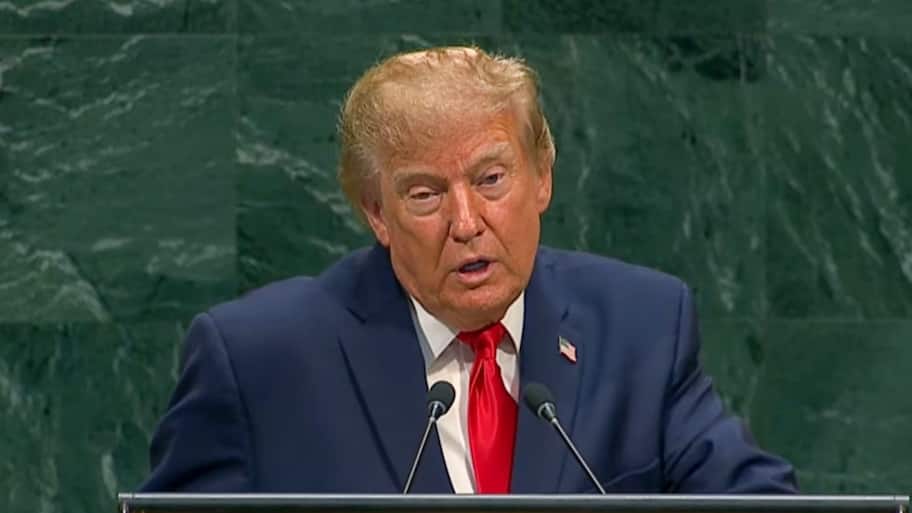
Addressing global leaders at the UN General Assembly earlier in the week, President Trump insisted that domestic electoral timelines would not dictate his national security decisions regarding Tehran. “The Republican Party is running, and I’ll be helping them, but I am not running. I gave absolutely no credence and will not give credence through the election when it comes to Iran,” Trump stated, reiterating that the United States would never permit Tehran to acquire a nuclear weapon. However, while Trump publicly suggested that Iran might seek a post-election agreement to dismantle its nuclear capabilities, he remains deeply skeptical behind closed doors that Tehran will yield to core US demands, telling advisers that renewed military strikes are the far more probable trajectory.
Munition Concerns and the Spectre of Wider Escalation
Despite the hawkish posture, administration officials noted that Washington is navigating tactical constraints. The US military is cautious about expending large volumes of specialized precision munitions, aiming to preserve stockpiles for other global strategic flashpoints. Nonetheless, with diplomatic avenues mediated by Qatar failing to bridge the divide over sanctions and maritime access, international observers warn that the post-midterm window could see an intensification of kinetic operations across West Asian theatres.