North India Statesman
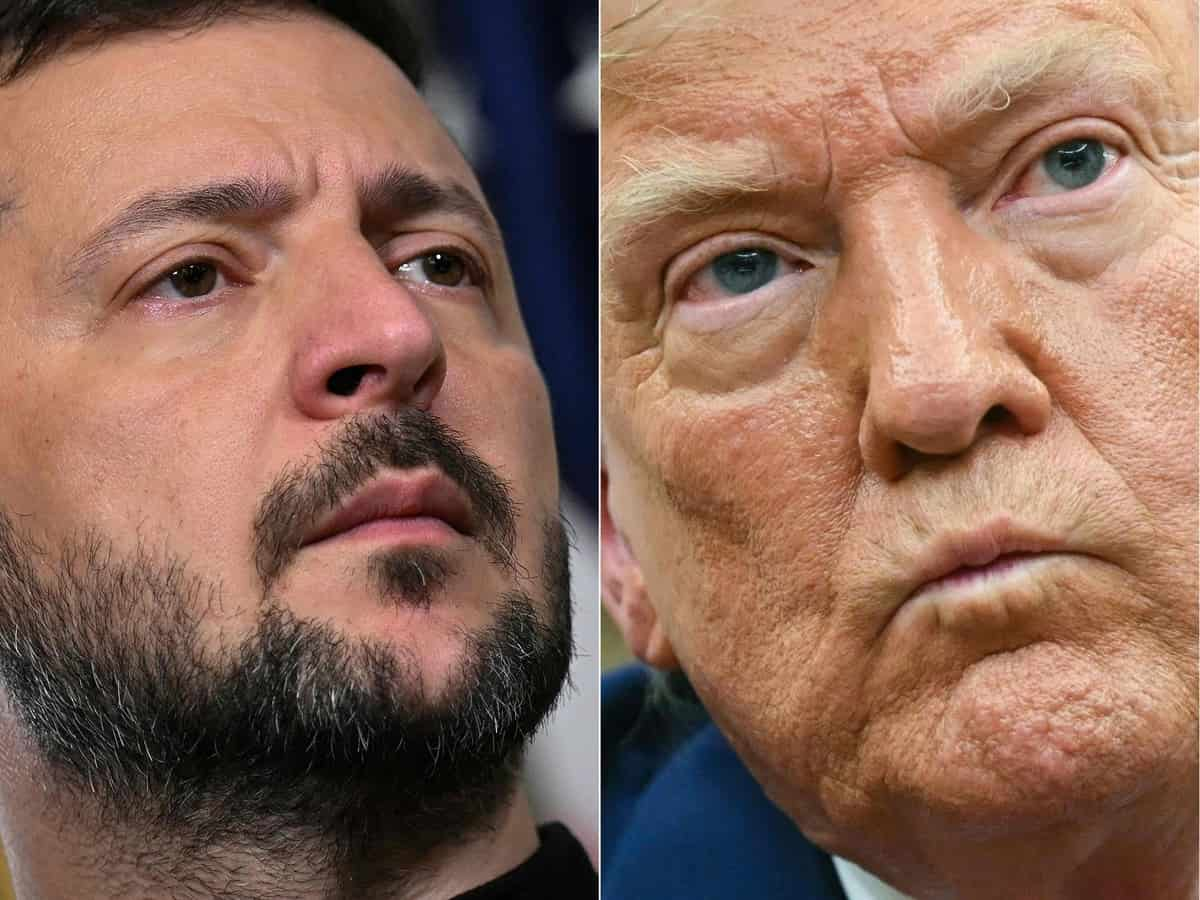
As the Russia-Ukraine conflict approaches its fifth winter with mounting battlefield casualties and relentless strikes on energy infrastructure, United States President Donald Trump has launched a high-stakes diplomatic offensive aimed at brokering a final settlement before the end of 2026. Following intense backchannel diplomacy and trilateral negotiations hosted in Abu Dhabi, United Arab Emirates, White House officials are framing Trump’s emerging blueprint as a “grand agreement” capable of reshaping European security. Supporters of the American initiative portray the framework as a pragmatic “win-win” formula designed to hand Russian President Vladimir Putin strategic security assurances and economic relief while offering Ukrainian President Volodymyr Zelenskyy a durable ceasefire, sovereign survival, and Western-backed security guarantees. Yet, across Kyiv, Brussels, Washington, and foreign policy circles in New Delhi, diplomats remain sharply divided over whether this proposed compromise truly delivers balanced peace or forces painful concessions on Ukraine.
Inside the Abu Dhabi Peace Talks and Trump’s Diplomatic Push
The latest momentum stems from renewed three-way negotiations in Abu Dhabi bringing together senior delegations from Washington, Moscow, and Kyiv. Spearheaded on the American side by special envoy Steve Witkoff and Trump’s son-in-law Jared Kushner, alongside Secretary of State Marco Rubio, the talks represent the most substantive diplomatic engagement since earlier rounds stalled in February 2026. On the Ukrainian side, Zelenskyy has dispatched a heavyweight team led by Presidential Office head Kyrylo Budanov, parliamentary faction leader Davyd Arakhamia, and First Deputy Presidential Office head Serhii Kyslytsia. Trump, who recently told CBS News that a peace deal is close and predicted that Ukraine would emerge with a “little bit different shape,” has signalled his determination to lock in an agreement before year-end—potentially paving the way for a direct summit involving Putin and Zelenskyy.
Core Pillars of Trump’s ‘Grand Plan’ to End the War
According to diplomatic briefings from Washington and European capitals, Trump’s proposed settlement rests on four interlocking pillars intended to address the core demands of both warring nations while avoiding open-ended American military entanglement:
-
Freezing Front Lines and Territorial Compromises: The blueprint envisions an immediate cessation of hostilities along existing battle lines, effectively freezing the conflict in eastern and southern Ukraine. While Moscow continues to demand full control over the entire Donetsk region—including fortified pockets still held by Ukrainian forces—Washington’s negotiators have floated phased territorial arrangements and demilitarized buffer zones to bridge the gap between Kremlin demands and Kyiv’s red lines.
-
Western Security Guarantees Without NATO Membership: To satisfy Moscow’s long-standing objection to NATO’s eastward expansion, the plan takes immediate NATO membership for Ukraine off the table. In exchange, Washington and European allies are negotiating bilateral and multilateral post-war security guarantees—backed primarily by European funding and deterrence commitments—to ensure Russia does not launch a renewed invasion.
-
Phased Sanctions Relief and Economic Reset for Russia: American officials have indicated that Washington is prepared to gradually ease sweeping economic and energy sanctions imposed on Moscow as part of a verified compliance mechanism, coupled with snap-back clauses that would immediately reinstate penalties if Russian forces violate the truce.
-
Broad European Security Architecture: Trump has emphasized that the deal extends beyond bilateral borders, aiming to establish a long-term European security framework featuring crisis communication channels, military transparency, and reciprocal escalation-reduction measures between Moscow and Western capitals.
Why Washington Calls It a ‘Win-Win’ for Both Leaders
Proponents of Trump’s strategy argue that neither Moscow nor Kyiv can achieve a decisive military victory on the ground without catastrophic human and economic exhaustion. For Vladimir Putin, the proposed framework offers an off-ramp that preserves Russian control over substantial territories captured since 2014 and 2022, blocks NATO troops from deploying inside Ukraine, and opens the door to sanctions relief and diplomatic normalization. For Volodymyr Zelenskyy, whose country faces severe winter electricity shortages and strained air-defence interceptor stockpiles, an immediate ceasefire halts daily missile barrages, preserves Ukraine’s core sovereignty and statehood, and unlocks massive international reconstruction funding alongside formal security commitments.
Skepticism in Kyiv and Europe Over Territorial Concessions
Despite the White House’s optimistic framing, the “win-win” narrative faces fierce pushback from Kyiv and several European Union leaders. President Zelenskyy has repeatedly maintained that while an immediate ceasefire along current lines could serve as a starting point for talks, Ukraine cannot legally or constitutionally surrender fortified territories in Donetsk that Russian troops have failed to capture. Furthermore, European leaders—including German Chancellor Friedrich Merz and Italian Prime Minister Giorgia Meloni—have warned against sidelining Europe from decisions affecting its own continental security, stressing that rewarding territorial conquest with premature sanctions relief risks emboldening future aggression. For global powers like India, which has consistently advocated dialogue and diplomacy over prolonged conflict, a durable settlement in Eastern Europe would bring welcome stability to global energy and food supply chains—provided the final terms secure genuine, lasting peace rather than a temporary pause in hostilities.