North India Statesman
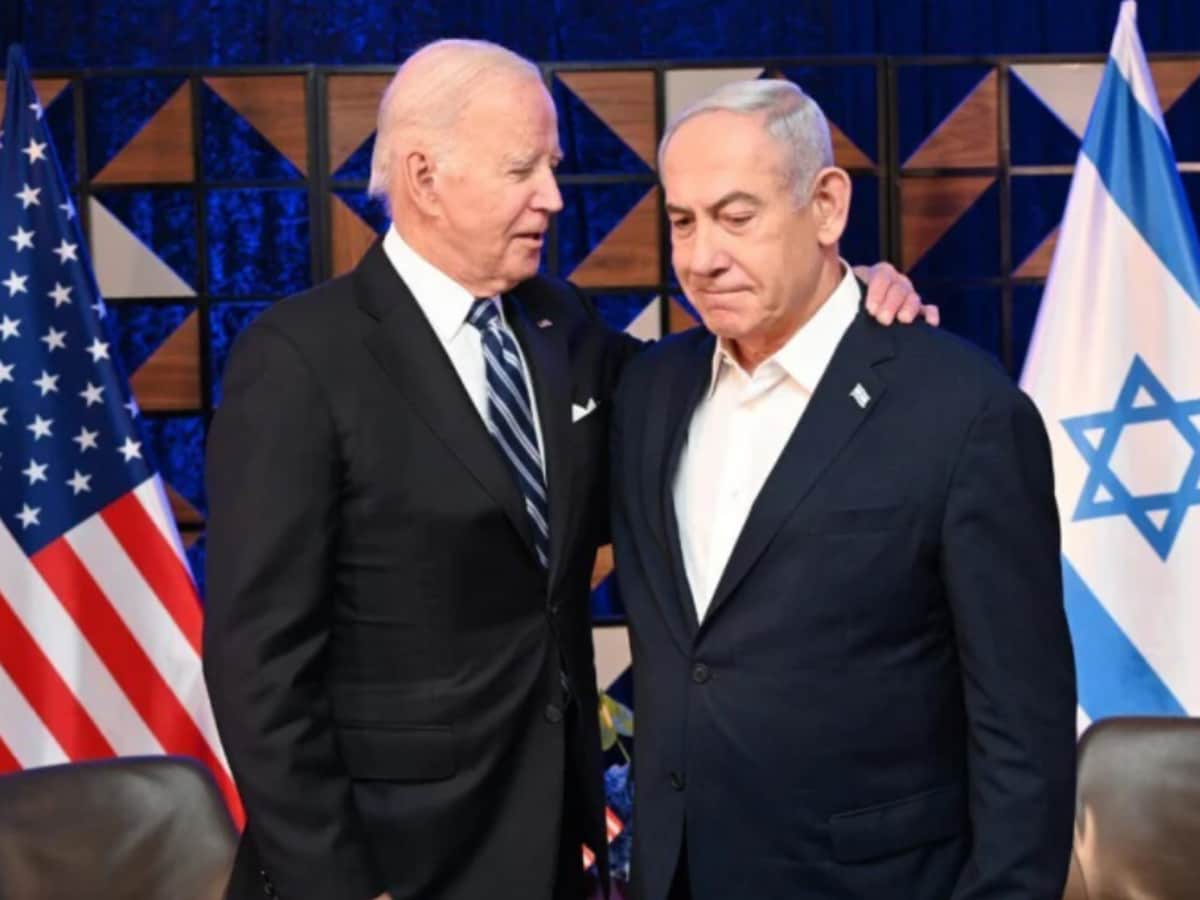
In an unusually blunt diplomatic rebuke, former United States President Joe Biden has accused Israeli Prime Minister Benjamin Netanyahu of making hollow assurances during the Gaza conflict while failing to take meaningful steps to protect Palestinian civilians. Ahead of the November 17, 2026 release of his presidential memoir, Promise Me, America, excerpts published over the weekend reveal Biden’s deep frustration over repeated private phone calls with the Israeli leader—conversations in which Netanyahu allegedly agreed to American requests with a string of affirmative nods before following through with virtually nothing on the ground. The revelations have reignited fierce debate across Washington, Jerusalem, and global diplomatic circles—including foreign policy watchers in New Delhi—over how the Biden White House managed one of the most consequential Middle East crises in decades.
Inside Joe Biden’s Memoir Revelations on Benjamin Netanyahu
According to excerpts from Promise Me, America reported by leading international outlets, Biden recounts a recurring and exhausting pattern during his private wartime diplomacy with Netanyahu following the October 7, 2023 Hamas attacks. Whenever civilian casualties mounted in Gaza and Washington pressed Israel to allow more humanitarian aid or exercise restraint, Netanyahu would repeatedly assure the American president that he understood the concern and would take corrective action. Yet, in Biden’s telling, those assurances evaporated as soon as the phone call ended, giving way to intensified military strikes and fresh civilian fatalities. Writing candidly about his long-time counterpart—whom he refers to by his nickname “Bibi”—Biden notes that Netanyahu had no qualms about making promises he had neither the political power nor the genuine intention to keep.
Deep Trust Deficit and Comparison to Donald Trump
Beyond broken operational assurances, Biden’s memoir exposes a profound erosion of personal trust between the two leaders despite their four-decade acquaintance. The former US president writes that after Netanyahu returned to office at the end of 2022 at the head of a hardline coalition, safeguarding Israel increasingly felt like protecting the country not only from its external adversaries, but also from its own leadership. Drawing a striking parallel to US President Donald Trump, Biden writes that he grew increasingly alarmed by Netanyahu’s political instincts, observing that the Israeli prime minister could be “extremely flexible with the facts” and showed little hesitation in bending democratic institutions to protect his personal political survival. Biden adds that while he understood the intense domestic pressures facing Netanyahu, he was deeply frustrated by the prime minister’s refusal to act like a statesman focused on Israel’s long-term regional security rather than short-term coalition politics.
Biden Defends US Military Aid While Expressing Sadness Over Gaza
While sharply criticizing Netanyahu’s leadership, Biden uses the memoir to defend his administration’s decision to continue supplying critical military assistance and diplomatic backing to Israel—a policy that fractured the Democratic Party base and sparked widespread campus protests during his presidency. Biden maintains that standing by Israel after the October 7 attacks was essential to upholding American strategic interests and defending a key ally. At the same time, he writes that the scale of innocent Palestinian lives lost during the campaign caused him “deep sadness”, underscoring the moral and strategic tightrope his administration walked as Israeli officials consistently offered explanations or excuses whenever Washington confronted them over mounting civilian harm.
Political Reactions and Broader Global Reflections in the Book
Netanyahu’s office in Jerusalem has so far refrained from issuing an immediate formal response to the leaked passages from Biden’s book, though Israeli officials have consistently maintained in the past that their forces seek to minimize civilian harm while accusing Hamas of embedding fighters inside residential areas, schools, and hospitals. Meanwhile, human rights advocates and progressive critics have seized on Biden’s admissions to argue that Washington should have conditioned weapons transfers much earlier rather than relying on Netanyahu’s verbal pledges. Alongside his candid assessment of the Middle East, Promise Me, America—published shortly after the November 3, 2026 US midterm elections—also features sharp portraits of other world leaders, including Russian President Vladimir Putin, whom Biden describes as slouching in meetings “like a teenager,” and Ukrainian President Volodymyr Zelenskyy, whose background as an actor Biden praises as effective preparation for wartime communication. For diplomatic observers worldwide, however, Biden’s blunt verdict on Netanyahu stands out as a defining post-presidential reckoning with the limits of American leverage in the Middle East.