North India Statesman
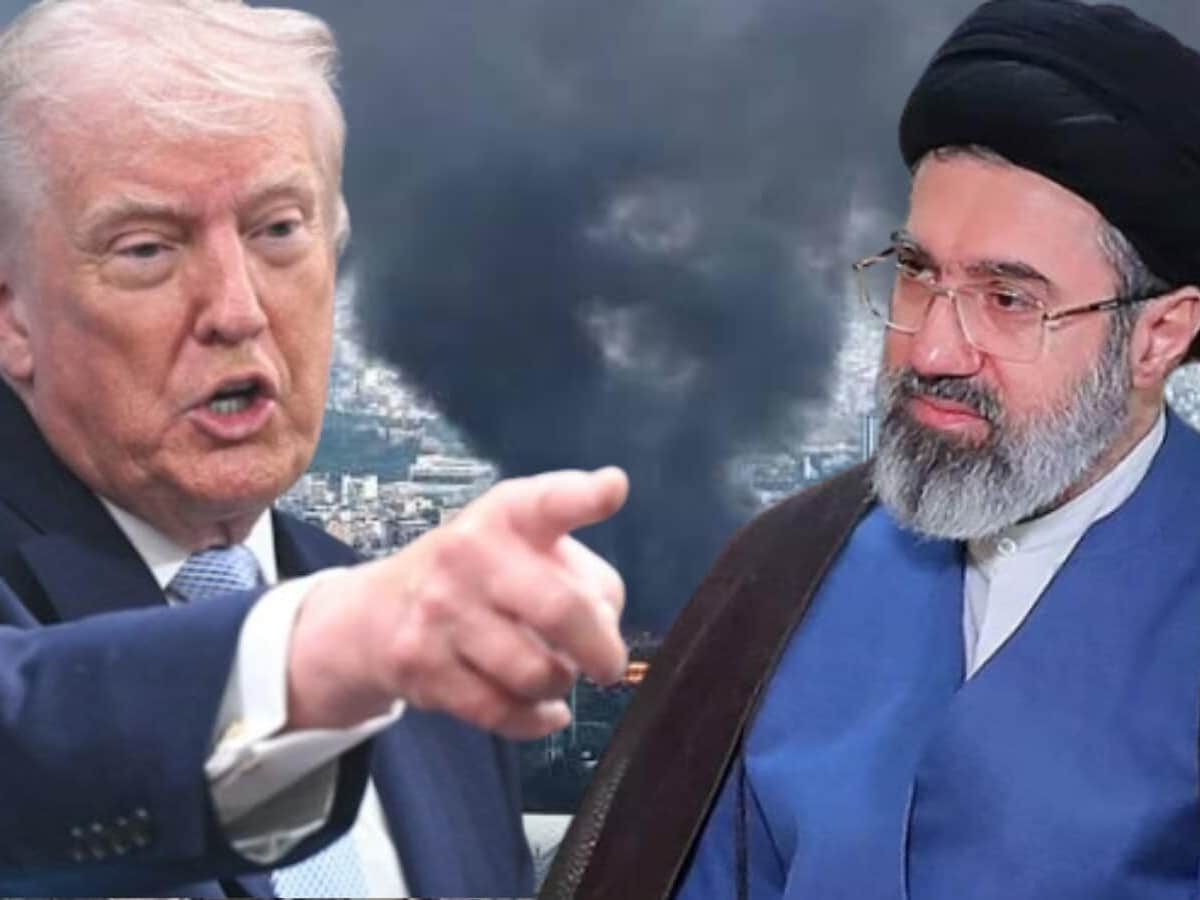
The long-simmering standoff between Washington and Tehran has crossed an alarming threshold following direct US precision strikes on strategic targets linked to Iranian military infrastructure. What began as intermittent skirmishes and proxy confrontations has rapidly transformed into open warfare across regional operational theaters. Explosions reported near key defense installations have shattered previous rules of engagement, drawing immediate retaliatory barrages and throwing the broader Middle East into a state of high alert. Defense analysts emphasize that the transition from covert cyber operations and maritime harassment to overt kinetic warfare represents the most volatile flashpoint the region has witnessed in decades. The United States Central Command announced that the coordinated operations aimed to neutralize imminent threats to allied maritime assets and forward-deployed coalition personnel, yet the immediate aftermath has demonstrated the severe unpredictability of direct bilateral combat. Retaliatory salvos launched by the Islamic Revolutionary Guard Corps have targeted military logistics nodes and coalition forward stations, producing casualties and extensive structural damage that complicate any immediate cessation of hostilities.
Battlefronts Expand Across Vital Strategic Corridors
The immediate theater of combat has rapidly expanded beyond targeted air and missile strikes, threatening vital maritime transit choke points and critical economic arteries. Heavy engagements have erupted around the Persian Gulf and the strategic waters of the Strait of Hormuz, through which roughly one-fifth of the world’s petroleum transit passes daily. Commercial shipping vessels, international tankers, and naval escorts face severe operational hazards as minefields, fast-attack missile boats, and suicide drones saturate narrow maritime navigation channels. Ports along the Gulf of Oman and coastal infrastructure near Bandar Abbas and Qeshm Island are reporting disrupted supply chains, grounded commercial air routes, and diverted merchant fleets seeking alternative pathways around the Arabian Peninsula. Regional allied groups stretching from southern Lebanon and Syria across Iraq to the Houthi-controlled pockets of Yemen have activated simultaneous operations, launching coordinated drone swarms and ballistic salvos aimed at stretching allied air defense networks thin. This multi-front operational tempo has overwhelmed local warning radars and forced allied forces into a continuous, high-attrition defensive posture across the Red Sea, the Levant, and the Arabian Sea.
Rising Apprehensions Over Atomic Infrastructure and Deterrence
The widening scope of kinetic bombardment has sparked deep international alarm regarding the vulnerability of nuclear installations and the ultimate thresholds of strategic deterrence. Western intelligence bodies and the International Atomic Energy Agency have expressed immediate distress over operations encroaching near heavily fortified subterranean enrichment facilities, including Natanz and Fordow. While defense officials assert that initial salvos targeted command-and-control complexes rather than active atomic sites, the proximity of dynamic airstrikes to hardened underground centrifuge cascades has intensified fears of accidental structural breaches, localized radiological hazards, or desperate strategic retaliation. Military strategists point out that as conventional defenses suffer degradation under overwhelming air superiority, doctrinal reliance on ultimate deterrent capabilities becomes a distinct strategic dilemma. The prospect of non-conventional weaponization—whether through accelerated enrichment sprint strategies, dirty dispersion munitions, or tactical deterrence threats—has moved from theoretical wargame simulations into active diplomatic briefing rooms, prompting emergency closed-door deliberations among permanent members of the United Nations Security Council.
Economic Shocks and the Scramble for Global De-Escalation
Beyond the immediate humanitarian and tactical carnage, the direct collision between Washington and Tehran is sending aggressive shockwaves through international financial, commodity, and currency markets. Global benchmark crude oil prices have surged, reflecting severe anxiety over sustained blockades throughout the Gulf waterways and potential damage to vital pipeline terminals. Aviation authorities have declared extensive exclusion zones across Persian Gulf airspace, redirecting international flight paths and creating extensive logistical delays across European, Asian, and Middle Eastern travel corridors. In international diplomatic hubs, including Geneva, Doha, and Muscat, neutral intermediaries are frantically opening backchannel communication lines in an attempt to forge an immediate humanitarian pause before retaliatory cycles spiral beyond sovereign political control. However, with mutual deterrence deeply compromised and both leaderships facing severe domestic pressure to project unyielding resolve, the pathway toward verifiable de-escalation remains exceptionally narrow as world capitals brace for the next phase of this deepening crisis.