North India Statesman
High drama and geopolitical friction gripped the 81st United Nations General Assembly in New York after US President Donald Trump issued an ultimatum from the rostrum, declaring that Washington faces a choice between brokering a transformative peace agreement with Tehran or moving to completely “annihilate” the Islamic Republic. The confrontation triggered an immediate diplomatic protest as Iranian delegates staged a walkout from the assembly hall. Yet beneath the public display of indignation and sharp rebukes from Tehran’s armed forces, both nations simultaneously engaged in quiet, backchannel diplomatic talks through international mediators on the sidelines of the summit.
Dramatic Assembly Hall Walkout as Trump Issues Ultimatum
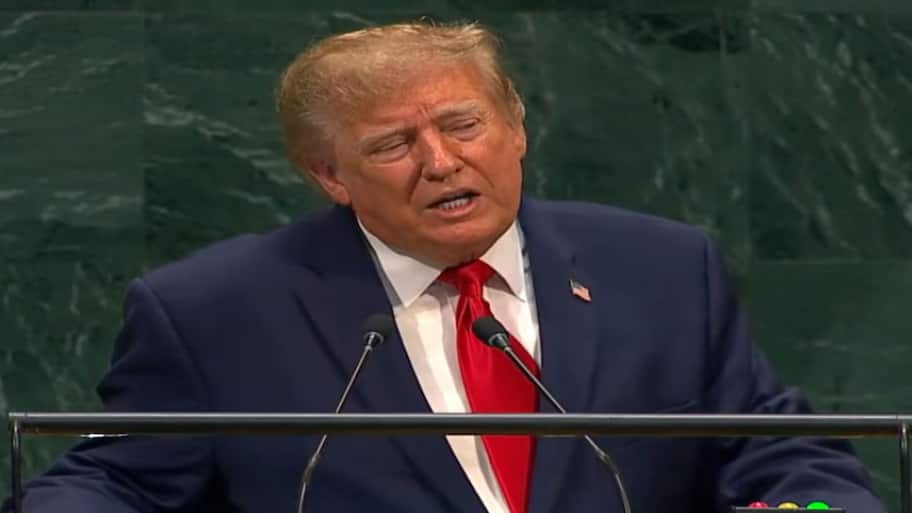
The diplomatic clash unfolded during President Trump’s address to global leaders at the UN General Assembly. As Trump turned his speech toward ongoing hostilities and potential military strikes against Tehran, the diplomats representing the Iranian delegation abruptly stood up and vacated the hall in protest. Reports indicated that only a single lower-level staff member remained seated for the duration of the address. Although Iranian President Masoud Pezeshkian and Foreign Minister Abbas Araghchi were in New York attending the high-level summit, neither leader was seated with the official delegation when Trump took the stage.
In his speech, Trump outlined two stark paths forward for the Middle Eastern nation. He noted that Washington could forge an expansive deal allowing Iran to rebuild and thrive, or proceed with overwhelming military force.
“Will a deal be made with Iran that lets them rebuild and create a far greater country than it ever was before? … Or do I annihilate the Islamic Republic, and do it quickly, never giving them a chance to kill and destroy people and countries again?” Trump told the assembly. He added that he anticipated reaching an agreement following the upcoming US elections.
Tehran Military Condemns Remarks as ‘Domestic Propaganda’
Reaction from Iran’s defense establishment was swift and defiant. In a joint statement issued from Tehran, the General Staff of the Iranian Armed Forces and the Central Headquarters of Khatam al-Anbiya condemned the threats, dismissing Trump’s rhetoric as a tool tailored for domestic political posturing rather than strategic reality.
The Iranian military statement accused the United States of exploiting the United Nations rostrum to justify aggression, destabilize regional maritime routes, and engage in international piracy. Armed forces spokespersons asserted that threatening a sovereign nation from a forum dedicated to world peace violates basic international charters, reaffirming that the Iranian military remains prepared to deliver decisive counterstrikes against any foreign aggression targeting its national infrastructure or sovereign territory.
Pezeshkian Champions Regional Dignity from the UN Podium
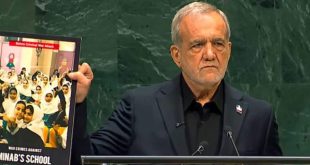
Ahead of his formal address to the General Assembly, Iranian President Masoud Pezeshkian struck a determined yet diplomatic tone. Speaking to international delegates under the UN session theme of “Restoring Trust,” Pezeshkian called for unified global awareness against oppressive regional actions and sustained military blockades.
Pezeshkian underscored that the United Nations must fulfill its foundational mandate by ending bloodshed and halting unilateral sanctions that harm civilian populations. Emphasizing that Tehran will never surrender to threats or ultimatums, the Iranian president highlighted the human toll of recent strikes on local communities, noting that he carried the voice of civilian victims to the international community while remaining open to genuine, respectful dialogue.
Secret Backchannel Talks: Strait of Hormuz and Sanctions Relief
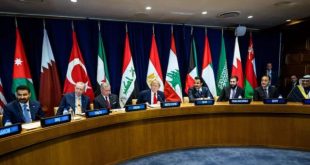
Despite the fiery rhetoric inside the main assembly hall, active diplomacy unfolded rapidly behind closed doors. Officials from Washington and Tehran engaged in indirect negotiations on the sidelines of the UN summit, utilizing international intermediaries to explore de-escalation frameworks. US Special Envoy Steve Witkoff described the mediator-led discussions as “constructive and promising,” signaling that both sides were assessing reciprocal compromises.
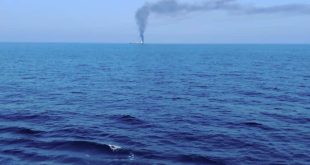
Central to these high-stakes negotiations is the critical maritime transit corridor through the Strait of Hormuz. Trump highlighted US naval escort operations in the waterway, asserting that vital oil shipments were continuing under heavy protection. Behind the scenes, senior Iranian officials signaled to international news outlets that Tehran could consider reopening the waterway within seven days if Washington agrees to scale back naval interdictions and ease economic blockades on commercial Iranian ports.
The contrasting dynamic—staging a dramatic walkout inside the plenary hall while negotiating terms in adjacent meeting rooms—underscores the delicate balance of deterrence, domestic optics, and hard-nosed bargaining shaping US-Iran relations at the United Nations.