North India Statesman
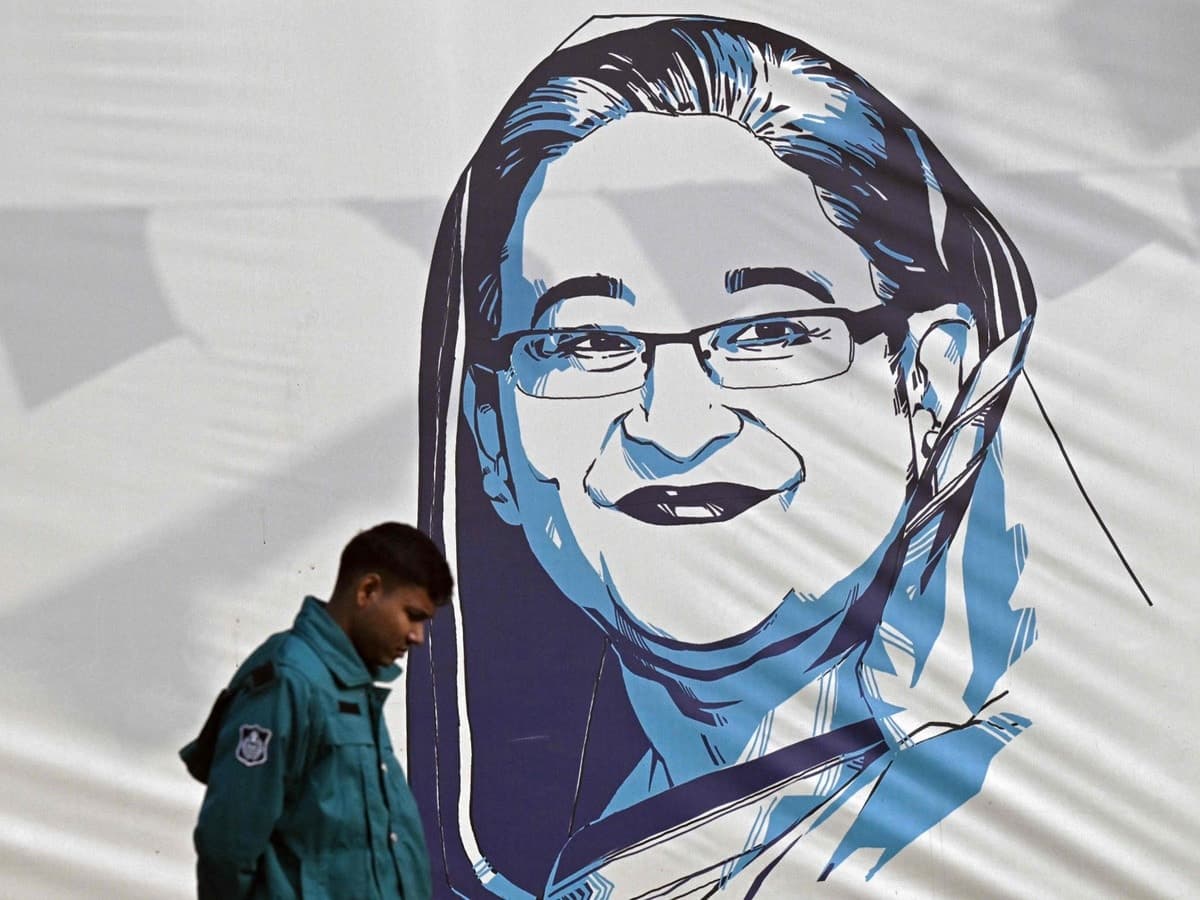
Speculation has surged across eastern India and Bangladesh following an announcement that ousted Bangladeshi Prime Minister Sheikh Hasina intends to end more than two years of exile in India and return home on December 16, 2026. As rumours swirl across border districts and social media regarding whether she might cross through West Bengal, official statements from her camp and authorities in Dhaka paint a very different picture of the legal, diplomatic, and political standoff unfolding between New Delhi and Dhaka. With December 16 marking Bangladesh’s Victory Day, the date has rapidly transformed into a major geopolitical flashpoint across the subcontinent.
Will Sheikh Hasina Travel to Bangladesh Through West Bengal?
According to statements issued by Sheikh Hasina’s spokesperson, Syed Mozammel Ali, there is no plan for the former prime minister to travel overland or via commercial transit through West Bengal. Instead, Hasina has formally called upon the current Bangladeshi government to dispatch a state aircraft directly from Dhaka to New Delhi to fly her home aboard Bangladesh’s national carrier. Ali argued that because Hasina was flown to India aboard a Bangladeshi aircraft following her ouster on August 5, 2024, the present administration bears a constitutional obligation to facilitate her return air transport. Furthermore, because her diplomatic passport was previously revoked and she lacks valid commercial travel documentation, crossing through land ports in West Bengal—such as Petrapole or Gede—without formal bilateral clearance remains legally impossible.
Why Did West Bengal Enter the Political Conversation?
The association with West Bengal stems largely from parallel political rhetoric that erupted in Kolkata right as Hasina’s December 16 announcement made headlines. According to reports from India Today and Hindustan Times, West Bengal Transport Minister Arjun Singh triggered a diplomatic and political controversy by claiming that Bangladesh would be “taken over by December 16” in retaliation for alleged violence against Hindus in the neighbouring country. Because Singh referenced the exact same December 16 date as Hasina’s proposed return, online commentary quickly conflated his remarks with Hasina’s travel itinerary. While Singh’s statement drew sharp criticism and debate within Indian political circles, officials have clarified that his comments were unrelated to any logistical arrangements for the former Bangladeshi leader.
How Has the Tarique Rahman Government in Dhaka Responded?
In Dhaka, Prime Minister Tarique Rahman’s administration has flatly rejected Hasina’s request for a government-arranged flight and ruled out a ceremonial homecoming. Speaking to the Associated Press and Bangladesh’s state-run BSS news agency, government officials emphasized that Hasina has been convicted in absentia by a domestic tribunal and faces a death sentence. Bangladesh’s Minister of State for Foreign Affairs, Humaiun Kobir, stated bluntly during a press briefing that Hasina could return only “in handcuffs or under strict surveillance,” noting that a sharp line must be drawn between what she desires and what Bangladeshi law permits. Similarly, Minister of State for Foreign Affairs-2 Shama Obaed Islam affirmed that Dhaka views Hasina no differently than any other convicted fugitive residing abroad, warning that security agencies will arrest her immediately upon entering Bangladeshi territory.
New Delhi’s Diplomatic Tightrope Between Two Neighbours
For policymakers in New Delhi—and observers across northern India, including Lucknow and Uttar Pradesh, where regional security and neighbourhood stability are closely watched—the December 16 declaration places Indian diplomacy in a delicate position. Prime Minister Tarique Rahman’s Press Secretary, Abu Abdullah M Saleh, confirmed to the Associated Press that Dhaka has formally sought Hasina’s extradition from India. Meanwhile, Information and Broadcasting Advisor Zahed Ur Rahman noted that Dhaka considers Hasina’s return a matter for bilateral discussion with New Delhi rather than negotiation with the former leader herself. India has historically maintained deep strategic ties with Hasina’s Awami League while simultaneously working to stabilize diplomatic, trade, and border security cooperation with the elected government in Dhaka. Permitting a unilateral departure or facilitating an uncoordinated border crossing would severely strain New Delhi’s working relationship with Bangladesh’s current leadership.
What Will Happen on December 16?
December 16 holds immense symbolic weight in South Asian history, commemorating the 1971 surrender of Pakistani forces in Dhaka to the joint command of the Indian Armed Forces and the Mukti Bahini. By selecting Victory Day for her proposed return, Hasina has framed her announcement around her family’s legacy in Bangladesh’s independence movement. However, given Dhaka’s outright refusal to send an aircraft and the absence of any extradition breakthrough from New Delhi, diplomatic analysts view an actual flight on December 16 as highly improbable. Instead, the date is expected to serve as a focal point for political mobilization inside Bangladesh, where supporters of the Awami League and rival factions—including the main opposition Jamaat-e-Islami—remain deeply polarized. Security forces across Dhaka and along the Indo-Bangladesh border in West Bengal are expected to remain on heightened alert throughout mid-December to prevent cross-border friction and maintain public order.