North India Statesman
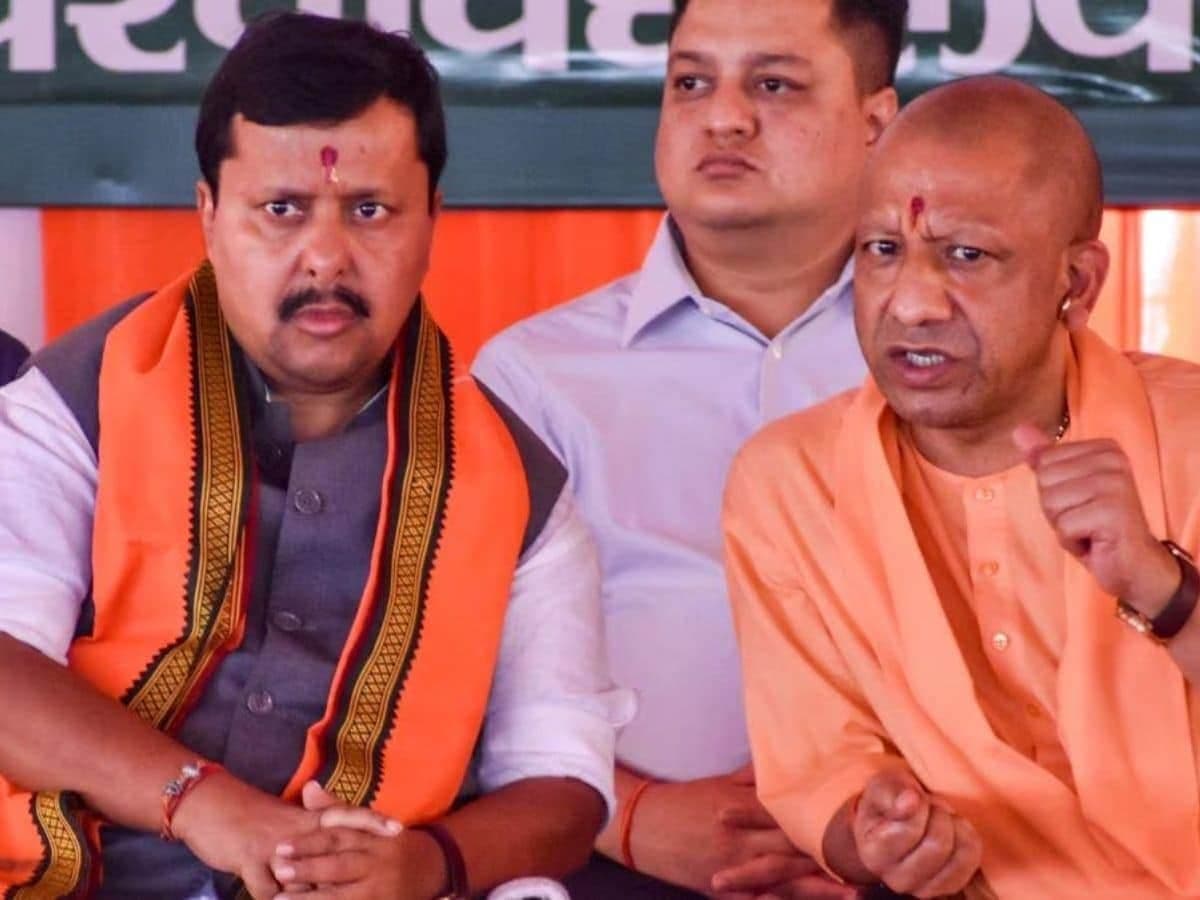
LUCKNOW: With the 2027 Uttar Pradesh Assembly elections still months away, the state’s political chessboard is already locked in a high-stakes battle over seat-sharing. While the public friction between the Samajwadi Party (SP) and the Congress has dominated headlines across Lucknow and New Delhi, a quieter but equally intense tug-of-war is unfolding inside the ruling National Democratic Alliance (NDA). Four regional partners of the Bharatiya Janata Party (BJP)—Apna Dal (Sonelal), the Rashtriya Lok Dal (RLD), the Suheldev Bharatiya Samaj Party (SBSP), and the NISHAD Party—have stepped up their demands, collectively pitching for nearly 140 of Uttar Pradesh’s 403 Assembly constituencies. For a ruling party aiming to comfortably cross the 202-seat majority mark and retain power in India’s most populous state, managing coalition ambitions without alienating its own cadre has quickly emerged as the defining test of Mission 2027.
Why NDA allies are turning up the heat on the BJP
The root of the BJP’s current dilemma is a classic “problem of plenty” combined with shifting electoral arithmetic. During the 2022 Uttar Pradesh Assembly elections, the BJP contested 376 seats and won 255, sharing the remaining constituencies primarily with just two allies: Apna Dal (Sonelal) and the NISHAD Party. Over the last four years, however, the NDA’s footprint in the state has expanded significantly with the entry of Jayant Chaudhary’s RLD and Om Prakash Rajbhar’s SBSP, both of whom fought the 2022 polls as part of the Samajwadi Party-led opposition alliance. Accommodating four assertive regional outfits instead of two automatically shrinks the space available for the BJP’s own candidates.
Compounding this structural squeeze is the lingering political impact of the 2024 Lok Sabha elections. In that general election, the BJP’s parliamentary tally in Uttar Pradesh dropped sharply from 62 seats in 2019 to 33, while the SP surged to 37 seats and the Congress won six. That setback emboldened regional allies, who now argue that their dedicated caste and community vote banks are indispensable for the NDA to counter the opposition’s social coalition. According to political observers and party insiders, the BJP’s internal roadmap reportedly favours contesting around 340 to 350 seats while leaving roughly 55 to 60 constituencies for its allies. If the party were to concede the full 140-seat collective demand, it would be left with just over 260 seats—forcing it to surrender more than 110 constituencies it fought in 2022 and triggering inevitable resentment among sitting MLAs and local ticket aspirants.
Who wants what: Breaking down the NDA seat demands
Each of the four NDA partners is anchoring its claim on a mix of past strike rates, regional dominance, and caste consolidation. Union Minister Anupriya Patel’s Apna Dal (Sonelal), which holds substantial influence among Kurmi and other Other Backward Classes (OBC) voters across the Vindhya region, Mirzapur, and pockets of Rohilkhand, has emerged as one of the toughest negotiators. Having won 12 of the 17 seats it contested in 2022 with over 40 per cent vote share in those constituencies, the party is reportedly eyeing anywhere between 30 and 52 seats this time.
In eastern Uttar Pradesh, UP Minister Om Prakash Rajbhar’s SBSP is pushing just as hard. Drawing strength from the Rajbhar community—estimated at around four per cent of the state’s electorate—and non-Yadav OBC groups across Ghazipur, Mau, Ballia, Azamgarh, Varanasi, Jaunpur, and Ambedkarnagar, the SBSP won six of the 19 seats it fought in 2022. Party national general secretary Arun Rajbhar has indicated that a list of 42 constituencies has already been handed over to the BJP, stretching beyond Purvanchal into the Braj and Kanpur regions. Meanwhile, Sanjay Nishad’s NISHAD Party, which mobilises riverine OBC communities such as Nishads, Kewats, Binds, and Mallahs across the Gorakhpur division, Mirzapur, Bhadohi, and central Uttar Pradesh, won six of the 10 seats allotted to it in 2022—a 60 per cent strike rate—while also contesting additional seats on the BJP symbol. National convenor Praveen Nishad has confirmed the party will seek more than 15 seats, even as Sanjay Nishad keeps up pressure over community reservation demands.
In Western Uttar Pradesh, Jayant Chaudhary’s RLD is seeking a respectable share of over 30 seats. Having contested 33 seats with the SP in 2022, the RLD is now looking to expand its footprint beyond its traditional Jat-dominated strongholds into Agra, Aligarh, Mathura, and Hathras. Adding another layer of complexity to the NDA’s arithmetic is Chirag Paswan’s Lok Janshakti Party (Ram Vilas), which has also begun signalling its electoral ambitions in the state.
Overlapping turfs and Purvanchal flashpoints
Beyond the headline numbers, the BJP faces an acute geographical headache in eastern Uttar Pradesh. Unlike Western UP, where the RLD operates with relatively clear regional boundaries, Purvanchal is crowded with three NDA allies competing for overlapping OBC voter bases in the exact same geopolitical belt. This overlap has already sparked open friction over specific constituencies. Both the SBSP and the NISHAD Party have staked rival claims to seats such as Atraulia in Azamgarh, while constituencies like Chauri Chaura have also emerged as potential points of contention among alliance partners. To prevent friendly fights and cushion the blow to its own local units, the BJP leadership is reportedly weighing flexible arrangements, including the option of fielding select alliance candidates on the BJP’s own lotus symbol, much as it did with the NISHAD Party in 2022.
Meanwhile, the SP-Congress standoff plays out in public
The BJP’s internal bargaining challenges mirror—though in a more restrained manner—the noisy seat-sharing deadlock gripping the opposition INDIA bloc. Buoyed by its improved 2024 Lok Sabha performance, the Congress initially pushed for 120 to 131 Assembly seats, demanding at least one constituency in each of Uttar Pradesh’s 75 districts along with key seats in Amethi, Rae Bareli, and Saharanpur. The Samajwadi Party, however, countered with an initial offer of just 26 seats, citing the Congress’s 2022 Assembly tally when it contested 399 seats solo and won only two. Tensions flared further after the SP unilaterally released a first list of five candidates, including a constituency in Saharanpur, prompting Congress MP Imran Masood to publicly remark that his party was not begging and wanted a mutually respectful deal. SP chief Akhilesh Yadav has maintained that winnability and consensus candidates under his PDA—Pichhda, Dalit, and Alpsankhyak—framework must dictate seat allocation rather than sheer numbers.
How the BJP plans to navigate Mission 2027
Despite the mounting pressure from its allies, the BJP is holding its cards close to its chest. State BJP chief spokesperson Dinesh Pratap Singh has asserted that the NDA remains united and that final seat-sharing decisions will be taken at the top leadership level at the appropriate time. Before committing to any concrete numbers, the party is completing an exhaustive ground-level organisational audit, deploying vistaraks and pravasis across all 403 Assembly segments to assess booth strength, caste equations, and the ground standing of sitting MLAs. With both the NDA and the INDIA bloc struggling to reconcile the aspirations of their partners, the road to Lucknow in 2027 is shaping up to be decided as much across closed-door negotiation tables as at the polling booths.