North India Statesman
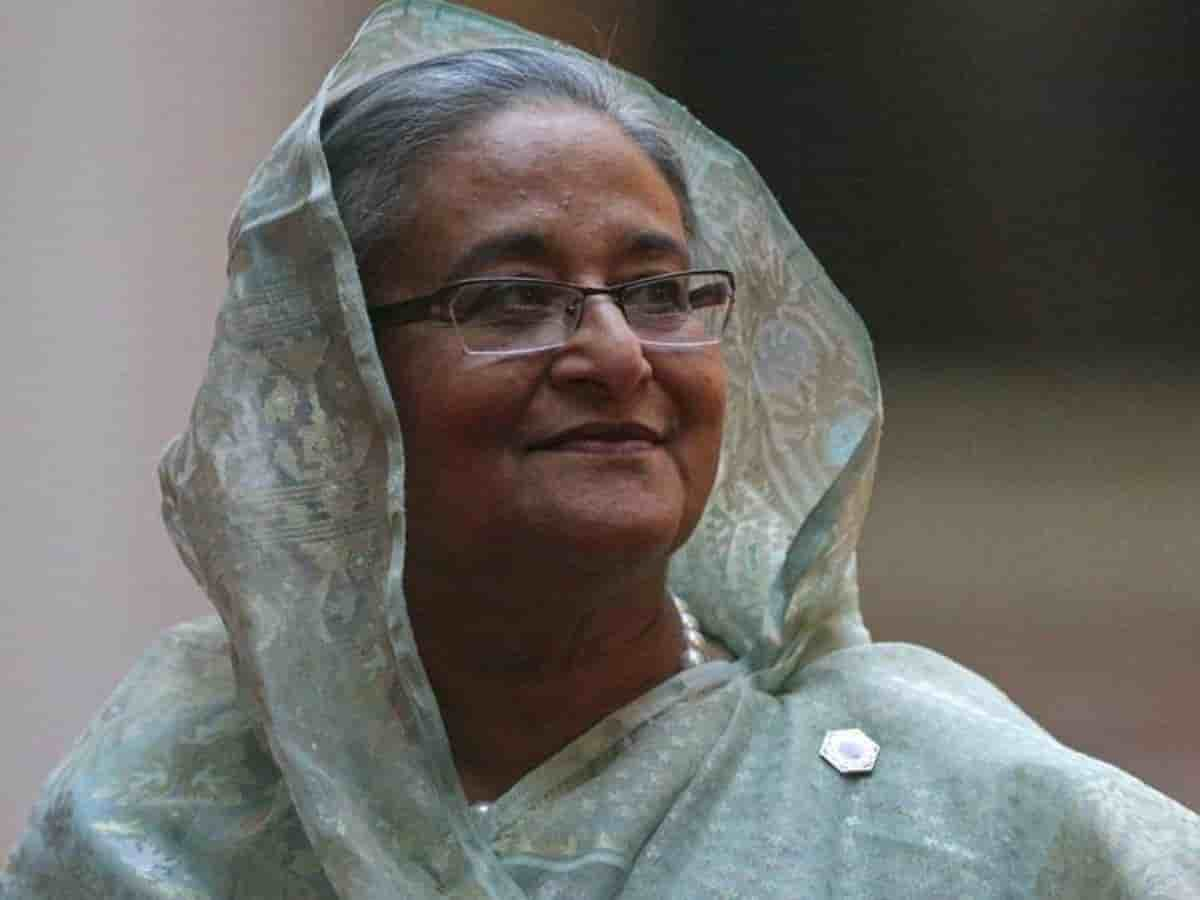
Sending shockwaves through the geopolitical and political corridors of South Asia, ousted former Bangladesh Prime Minister Sheikh Hasina has made an uncompromising public declaration regarding her return to her homeland. In a series of determined remarks addressing supporters and party loyalists, the seventy-eight-year-old leader declared that her decision to return to Bangladesh is entirely her own and that “no one can stop me” from stepping back on her home soil. Having sought temporary refuge in India following the student-led uprising in August 2024 that abruptly ended her fifteen-year administration, Hasina’s latest stance signals an escalation in her resolve to directly challenge the political establishment currently governing Dhaka.
Ready to Face Arrest and Surrender: “I Do Not Fear Death”
Addressing the legal threats, death sentences issued in absentia by special tribunals in Dhaka, and repeated international extradition requests, Hasina made it clear that she is prepared to face the consequences upon touchdown. “They may arrest me on my return, they may even kill me. Still, I have to go,” Hasina declared, affirming her intention to return alongside senior Awami League leaders who were also ousted during the transition. Invoking the assassination of her father, Bangabandhu Sheikh Mujibur Rahman, and most of her immediate family in 1975, she stated that having survived multiple assassination attempts throughout her political life, she harbors no fear of incarceration or death, noting that her parents’ blood was shed on that soil and that is where she belongs.
Fierce Attack on Current Governance and Rising Extremism
Accompanying her announcement to return was a blistering critique of the political climate in Bangladesh since her departure. Hasina alleged that the nation has witnessed a sharp decline in democratic norms, erosion of the rule of law, economic instability, and targeted attacks against religious minorities, accusing the administration of failing to counter radical elements. Rejecting attempts to permanently dismantle or ban the Awami League from public life, Hasina asserted that the party is not merely an electoral outfit but an entrenched socio-political force woven into the very fabric of the country’s liberation history.
Political Repercussions in Dhaka and Regional Diplomatic Stakes
The prospect of Hasina’s voluntary return has triggered immediate reactions across the political spectrum in Dhaka. Government spokespersons and rival parties have framed her announcement as a calculated effort to exert psychological and political pressure on the evolving domestic landscape. Law enforcement and judicial authorities maintain that any arrival would immediately trigger pending warrants and judicial processes related to mass protests and tribunal verdicts. Beyond domestic dynamics, the announcement carries delicate diplomatic implications for Dhaka-New Delhi bilateral relations, setting the stage for high-stakes political maneuvering as the Awami League chief prepares to stage what could become one of the most volatile homecomings in the subcontinent’s contemporary history.