North India Statesman
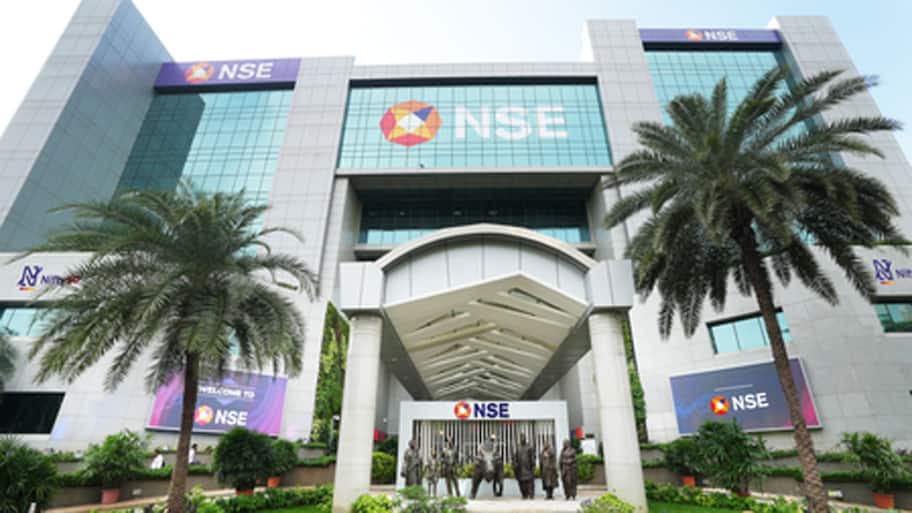
The unofficial grey market premium (GMP) for the landmark Initial Public Offering (IPO) of the National Stock Exchange of India (NSE) has tumbled sharply to ₹43 per share. Ahead of its highly anticipated stock market debut on the Bombay Stock Exchange (BSE), the latest grey market activity suggests an estimated listing price of roughly ₹1,828 per share against the upper band issue price of ₹1,785. This reflects an indicative listing gain of just 2.41%, pointing to a relatively muted opening despite the historic scale of the issue.
Sharp Drop from Pre-Issue Highs in the Grey Market
The sentiment in the unlisted space has cooled significantly compared to the days preceding the public offering. In the run-up to the opening date, the grey market premium had surged past ₹145 per share, indicating a debut upside of more than 8%. The premium stood at ₹142 on September 17, dropped to ₹111 on September 18, and slipped further to ₹61 and ₹48 over subsequent sessions before finding momentary support near ₹65. However, following the finalization of the basis of allotment, the premium slipped to ₹43, marking its lowest reading across the entire issue lifecycle.
Massive Subscription Led by Qualified Institutional Buyers
The ₹22,568.94-crore mega public issue witnessed solid demand during its three-day bidding window from September 17 to September 21. The offering was booked 5.71 times overall, drawing bids for over 50.58 crore equity shares against the 8.86 crore shares on the block. In total, the issue locked in cumulative investor bids exceeding ₹90,287 crore. The Qualified Institutional Buyers (QIB) segment drove the bulk of the appetite, subscribing 12.68 times their reserved quota. Non-Institutional Investors (NII) subscribed 6.55 times, while the Retail Individual Investors (RII) portion saw a moderate booking of 1.39 times.
Offer for Sale Structure and Market Dominance
Priced in the band of ₹1,700 to ₹1,785 per equity share, the public offering was structured entirely as an Offer for Sale (OFS) of 12.64 crore shares by existing institutional and individual shareholders. Because no fresh capital was raised, all proceeds from the issue flow directly to the selling shareholders. Operationally, the exchange commands unparalleled dominance in India’s financial architecture, holding an approximate 93% market share in the equity cash segment and near-monopoly positions in futures and options trading. However, market analysts attribute the softening listing premium to overall secondary market volatility, large issue liquidity absorption, and regulatory moderation in high-frequency derivatives volumes.