North India Statesman
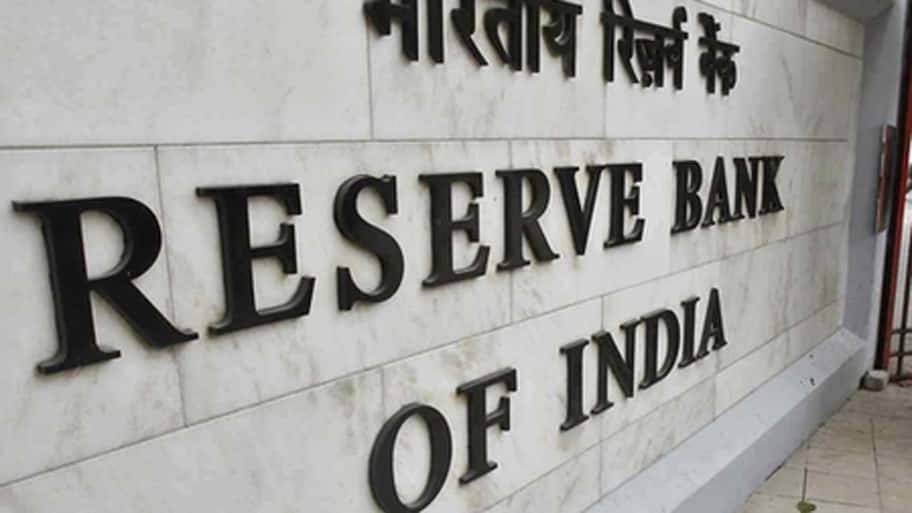
The Reserve Bank of India (RBI) absorbed ₹75,026 crore from the domestic banking system through an overnight Variable Rate Reverse Repo (VRRR) auction to manage elevated surplus liquidity and keep short-term money market rates closely aligned with the benchmark policy repo rate. The operation witnessed heavy participation from commercial lenders seeking a safe avenue to park their excess cash reserves. Against a notified auction size of ₹75,000 crore, banks placed bids totaling ₹87,993 crore, with the central bank accepting bids worth ₹75,026 crore at a cut-off and weighted average rate of 5.24%.
Widening Banking Liquidity Surplus Prompts Central Bank Action
The central bank’s liquidity absorption drive follows a sustained accumulation of cash in the banking sector. According to official RBI data, net surplus liquidity in the banking system hovered around ₹4.45 lakh crore (₹4.45 trillion) as of September 22. Such persistent surplus cash pools tend to pull overnight lending rates, such as the call money and TREPS rates, well below the operating policy target, prompting the central bank to intervene continuously through both short-term VRRR auctions and durable liquidity-draining operations.
Drivers Behind the Cash Inflow: FCNR(B) Swaps and Fiscal Outflows
Money market analysts identify multiple overlapping factors behind the ongoing liquidity deluge. Commercial banks have mobilized significant inflows through Foreign Currency Non-Resident (Bank) [FCNR(B)] deposit schemes. As these foreign currencies entered the system, subsequent dollar-rupee swap transactions with the central bank injected substantial rupee liquidity directly into banking channels. Concurrently, routine government expenditures—spanning civil servant salaries, pension disbursements, and month-end departmental clearances—have pumped massive liquidity back into the commercial banking grid.
Complementary OMO Debt Sales and Upcoming Tranches
The overnight VRRR mechanism represents only one component of the RBI’s multi-layered liquidity management framework. To durably withdraw funds rather than rolling over temporary repos, the central bank initiated a structured Open Market Operation (OMO) bond sale program worth ₹1 lakh crore across three scheduled tranches. The RBI previously executed OMO secondary-market sales of government securities worth ₹50,000 crore on September 17 and another ₹25,000 crore on September 21. Under these operations, participating banks purchase sovereign paper from the RBI, pulling base money out of circulation. The final OMO tranche of ₹25,000 crore is scheduled to take place on September 28 to anchor monetary stability ahead of the half-yearly fiscal close.
Outlook for Short-Term Yields and Money Market Rates
By orchestrating high-volume absorption operations, the central bank aims to defend the lower boundary of the Liquidity Adjustment Facility (LAF) corridor. Market participants anticipate that the combination of overnight absorption windows, scheduled advance tax outgoes, and upcoming OMO sales will gradually temper surplus levels over the coming weeks, keeping short-term yield curves firm and preventing unintended monetary easing.